Most Likely Causes (Ranked)
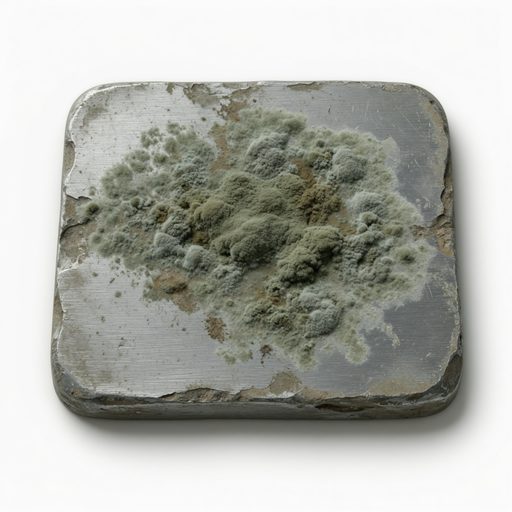
Many mold species (particularly Acetobacter and certain Aspergillus strains) produce acetic acid as a metabolic byproduct — literally creating vinegar. This is common in damp basements, bathrooms, crawl spaces, and behind walls where moisture is present.
Cat urine contains uric acid that breaks down into various compounds including ammonia and acetic acid as it ages. Old, dried cat (or dog) urine on carpet, wood, or furniture produces a persistent sour/vinegar smell that intensifies with humidity.
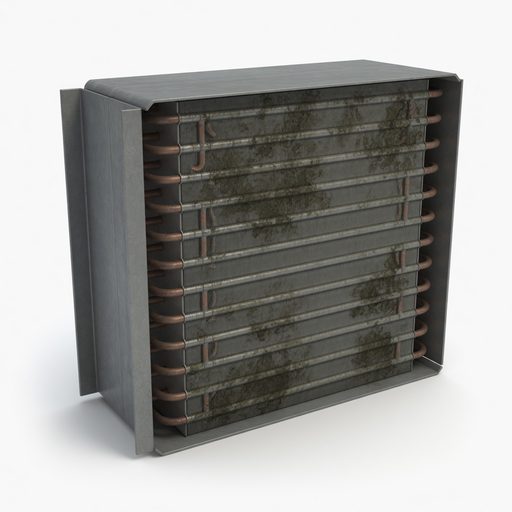
Bacteria growing on the evaporator coil, in the condensate drain, or in ductwork produce acetic acid as a metabolic byproduct. When the system runs, it distributes this sour smell throughout the house.
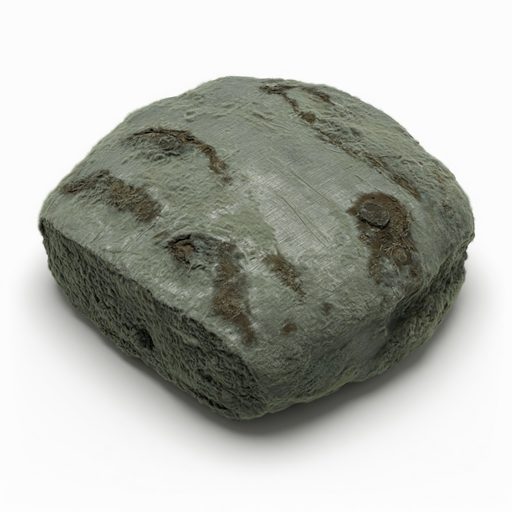
Wood that stays damp from a slow leak, poor drainage, or condensation develops bacterial and fungal growth that produces acetic acid. This is common in subfloors, window frames, and sill plates in older homes.
Vinegar-based cleaning products, or chemical reactions between different cleaning products and surfaces, can leave a persistent sour smell. White vinegar used for cleaning is acetic acid, and residue trapped in grout, carpet, or porous surfaces continues to smell.
How to Fix It
Find and Fix Moisture Sources
$0-500Address the root cause of mold/mildew.
- 1Check all water-prone areas: under sinks, around toilets, in the basement, near windows, in the crawl space.
- 2Fix any active leaks immediately.
- 3Run dehumidifiers to keep humidity below 50%.
- 4Check gutters and downspouts — water should drain away from the foundation, not toward it.
Clean Mold and Affected Areas
$10-50 DIY / $500-5,000+ proRemove the organisms producing acetic acid.
- 1For visible mold on hard surfaces: clean with borax solution (1 cup per gallon of water).
- 2For mold on drywall: cut out and replace the affected section — you can't clean mold from drywall.
- 3For large areas (10+ sq ft): hire a professional mold remediation company.
- 4Treat remaining surfaces with a mold-inhibiting spray to prevent regrowth.
Treat Pet Urine Areas
$10-30Enzymatic cleaners are the only effective solution.
- 1Use a UV blacklight in a dark room to locate urine spots (they fluoresce bright yellow-green).
- 2Saturate each spot with enzymatic cleaner (Nature's Miracle, Rocco & Roxie) — let it soak for the recommended time.
- 3For urine that has penetrated the subfloor: you may need to seal the subfloor with Kilz primer after enzymatic treatment.
- 4Severely saturated carpet padding should be replaced — cleaning can't fully remediate it.
Clean HVAC System
$15-500If the smell comes from the vents.
- 1Replace the air filter with a MERV 11+ rated filter.
- 2Clean the evaporator coil with foaming coil cleaner ($15).
- 3Clear the condensate drain line with vinegar or bleach.
- 4For persistent HVAC odor, have ducts professionally cleaned ($300-500).
When to Call a Professional
Vinegar smell + visible mold growth — address the moisture source and remediate the mold.
Vinegar smell + soft or spongy flooring — possible subfloor rot from water damage. Investigate before it becomes structural.
Strong vinegar smell from walls — possible hidden water leak causing wood rot. Open the wall to inspect.
Vinegar smell that appeared suddenly with no clear cause — investigate for a new water intrusion.
How to Prevent It
Control humidity below 50% in all areas of the house.
Fix water leaks within 24 hours — mold begins growing within 24-48 hours of wetting.
Clean pet accidents immediately with enzymatic cleaner — don't let urine dry and set.
Annual HVAC maintenance including coil cleaning and drain clearing.
Ensure proper ventilation in bathrooms, kitchen, basement, and crawl space.
Why So Many Things Smell Like Vinegar
Acetic acid (CH₃COOH) is one of the most common metabolic byproducts in nature. It's produced by Acetobacter bacteria (which literally turn alcohol into vinegar), by many mold species during organic matter decomposition, and by the breakdown of certain amino acids. Its detection threshold is about 0.5 ppm — most people can smell it at very low concentrations.
In homes, acetic acid production indicates that bacteria or mold are actively decomposing something organic in the presence of moisture. The 'something organic' could be wood, drywall paper, carpet backing, food residue, pet urine, or accumulated dust. The moisture comes from leaks, condensation, humidity, or inadequate ventilation. Eliminating the vinegar smell requires removing both the organic food source and the moisture that enables decomposition.
Frequently Asked Questions
Acetic acid production by mold and bacteria increases with humidity and temperature. You'll notice the smell more in humid weather, after rain, or when the house warms up — because the organisms are more active.
Absolutely — many mold species produce acetic acid as a primary metabolic byproduct. The vinegar smell from mold is just as common as the 'musty' smell, especially with certain Aspergillus and Penicillium species.
Vinegar on porous surfaces (grout, unsealed wood, carpet) can be absorbed and persist. Rinse the area with plain water, then sprinkle baking soda to neutralize the acid. Let it sit, then vacuum.
If the smell is localized to bedding, workout areas, or shoes, accumulated sweat bacteria can produce acetic acid. Wash bedding weekly in hot water and air out exercise equipment.
The acetic acid itself isn't dangerous at household levels. But the causes (mold, water damage, rotting wood) can affect health and structural integrity. Address the source, not just the smell.