Most Likely Causes (Ranked)
Slow leaks under sinks, behind walls, or from pipe joints create persistent dampness that you smell before you see. Even a small drip can saturate drywall, insulation, and wood framing.
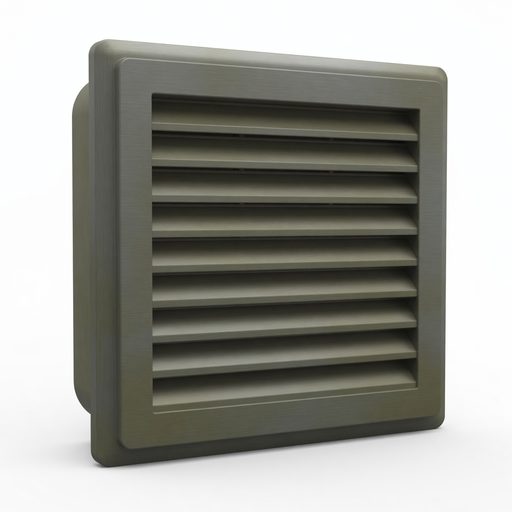
Tightly sealed modern homes trap moisture from cooking, showering, breathing, and even houseplants. Without adequate ventilation, humidity builds and produces a damp smell.
Water seeps through foundation walls and floors via hydrostatic pressure or capillary action (rising damp). Common in older homes without modern waterproofing.
Even small roof leaks allow water into the attic, ceiling, and wall cavities. The moisture may not produce visible staining for months, but you'll smell the dampness.
Cold surfaces (exterior walls, cold water pipes, concrete floors) collect condensation in humid conditions. This creates localized dampness and odor.
How to Fix It
Find the Source
$0-10Investigation before repair.
- 1Buy a hygrometer ($10) — measure humidity in different rooms to locate the worst area.
- 2Check all visible plumbing: under sinks, behind toilets, around water heater, near washing machine.
- 3Look for water stains on ceilings, walls, and around windows.
- 4Check the attic for wet insulation or staining on roof sheathing.
- 5Monitor your water meter — if it moves with everything off, you have a hidden leak.
Fix the Moisture Source
$50-5,000+ depending on causeAddress the specific issue found.
- 1Plumbing leak: tighten connections, replace corroded pipes, or call a plumber ($150-500 for most repairs).
- 2Ventilation: install bathroom exhaust fans, use range hood when cooking, open windows when possible. Consider a whole-house ventilation system.
- 3Foundation: improve exterior drainage (gutters, grading), seal foundation cracks, install interior drainage or sump pump for serious issues.
- 4Roof: repair damaged shingles, reflash problem areas, or replace roof section. Get 2-3 quotes.
- 5Condensation: insulate cold surfaces. Pipe insulation ($5-15), wall insulation (professional job).
Reduce Humidity Now
$0-200While addressing the root cause.
- 1Run a dehumidifier in the most affected area — target 40-50% humidity.
- 2Use exhaust fans during and 20 minutes after showering/cooking.
- 3Don't dry clothes indoors without ventilation.
- 4Move furniture away from exterior walls to allow air circulation.
- 5Open closet doors and interior doors to improve airflow.
When to Call a Professional
Water meter running when nothing is on — hidden leak. Call a plumber.
Visible mold growth — moisture has been present long enough for mold colonization. Address immediately.
Soft or spongy floors, walls, or ceilings — structural damage from prolonged moisture. Professional assessment needed.
Persistent damp smell that worsens over time — the moisture source is growing, not resolving on its own.
How to Prevent It
Monitor humidity — keep indoor levels 30-50%.
Ventilate properly — exhaust fans in bathrooms and kitchen.
Maintain gutters and drainage — water away from foundation.
Fix leaks immediately — small drips become big problems.
How Much Moisture Is Too Much?
Indoor humidity should be 30-50%. Below 30% causes dry skin and static. Above 50% promotes mildew. Above 60% promotes mold growth. Above 70% causes rapid deterioration of building materials.
A $10 hygrometer from any hardware store tells you exactly where you stand. This single tool helps you identify problem rooms and verify that your fixes are working.
Frequently Asked Questions
Yes. Damp environments promote mold and dust mites, both of which trigger allergies, asthma, and respiratory infections. Long-term damp exposure is linked to chronic respiratory problems.
Check water meter with everything off. Use a moisture meter ($20-30) on walls. Look for water stains, bubbling paint, or warped flooring. A plumber can use thermal imaging or acoustic detection.
A dehumidifier treats the symptom (excess humidity) but not the cause (leak, poor ventilation, etc.). Use it while fixing the root problem.
Yes. Prolonged moisture weakens wood framing, corrodes metal fasteners, degrades insulation, and can compromise structural integrity. The sooner you address it, the less damage occurs.