
Most Likely Causes (Ranked)
Cooking onions, garlic, and other alliums releases powerful volatile sulfur compounds that persist long after cooking ends. These molecules absorb into curtains, upholstery, carpet, and circulate through the HVAC system. The smell can linger for days.

Natural gas is odorless, but utility companies add mercaptan — a sulfur compound — to make leaks detectable. While most describe it as "rotten eggs," some people perceive it as onion-like, especially at low concentrations.

Human sweat, particularly from the apocrine glands, contains thioalcohols that can smell like onions. Over time, these compounds accumulate in sheets, pillows, mattresses, and upholstered furniture.
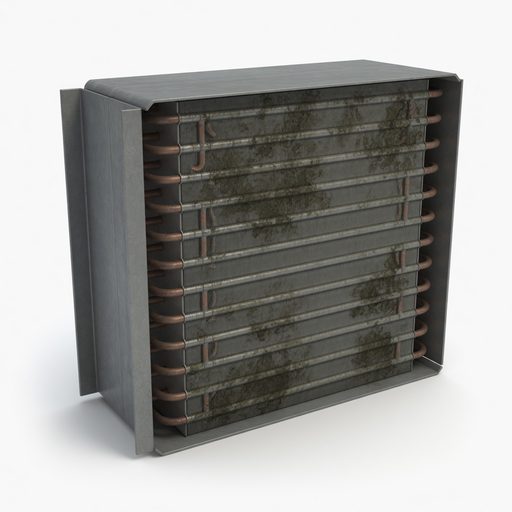
Mold, bacterial growth, or a dead animal smell in the ductwork can produce smells that some describe as onion-like. Dirty HVAC coils and clogged filters circulate musty odors.
How to Fix It
Eliminate Cooking Odors
$0-20If the smell is from cooking.
- 1Open windows and run exhaust fans during and 30 minutes after cooking onions or garlic.
- 2Simmer a pot of water with lemon slices, cinnamon sticks, and vanilla for 30 minutes — naturally deodorizes the air.
- 3Place bowls of white vinegar or baking soda in affected rooms overnight.
- 4Wash curtains and throw pillow covers. Sprinkle baking soda on upholstery, wait 4 hours, vacuum.
- 5Change the HVAC filter — cooking particles get trapped there.
Rule Out Gas Leak
$0Do this first if the smell is unexplained.
- 1Check all gas appliances: stove burners (including pilot lights), furnace, water heater, gas fireplace.
- 2If you smell it strongly near any gas appliance or pipe: leave the house immediately. Don't flip light switches or use phones inside.
- 3Call your gas company's emergency line from outside. They will send someone for a free inspection.
- 4If the smell is faint and intermittent, you can apply soapy water to gas connections — bubbles indicate a leak.
Clean Soft Surfaces
$0-50For body odor or persistent cooking smells in fabrics.
- 1Wash all bedding in hot water with 1/2 cup white vinegar added to the rinse cycle.
- 2Sprinkle baking soda on mattress, wait 8 hours, vacuum thoroughly.
- 3Steam clean or professionally clean upholstered furniture.
- 4Replace HVAC filter and consider having ducts cleaned ($300-500) if odor persists.
When to Call a Professional
Sudden onion/sulfur smell with no cooking explanation — treat as a potential gas leak until proven otherwise.
Smell strongest near gas appliances — leave the house and call the gas company.
Headaches, dizziness, or nausea accompanying the smell — evacuate immediately. Could be gas exposure.
Hissing sound near gas lines — active leak. Leave immediately.
How to Prevent It
Use your range hood exhaust — vents cooking odors outside instead of into the house.
Open windows when cooking strong-smelling foods — cross-ventilation prevents absorption.
Change HVAC filters regularly — traps cooking particles before they circulate.
Wash bedding weekly — prevents body odor buildup.
Gas Leak vs. Cooking Smell: How to Tell
The key difference: cooking onion smell has a food quality and fades with ventilation. gas leak smell (mercaptan) is more chemical/sulfurous and doesn't fade because the source is continuous. Gas company emergency inspections are free and they'd rather check a false alarm than miss a real leak.
If you're ever unsure, err on the side of caution and call. Natural gas is explosive at concentrations as low as 5% in air. A 5-minute call to the gas company could prevent a disaster.
Frequently Asked Questions
Yes, some people describe the mercaptan odorant in natural gas as onion-like, especially at low concentrations. The classic description is "rotten eggs" but perception varies. If you smell something sulfurous and can't explain it, call your gas company.
HVAC systems often run more at night (especially in winter), circulating odors from ducts. body odor in bedding is also more noticeable in enclosed bedrooms. Cooking odors from dinner linger in the evening.
Ventilate immediately after cooking. Place bowls of vinegar or baking soda in affected rooms. Wash fabrics that absorbed the smell. Change the HVAC filter. For persistent odor, an ozone generator ($30-50 rental) can eliminate it, but you must vacate the house during use.
Mold typically smells musty, not like onions. However, some mold varieties produce earthy or sulfurous smells that might be interpreted differently. If the smell doesn't match cooking or gas and persists, consider a mold inspection.