Common Causes (Ranked by Likelihood)

Fresh paint releases VOCs including formaldehyde, benzene, toluene, and ethylene glycol as it cures. Even 'low-VOC' paints emit some compounds. The strongest off-gassing occurs in the first 2-4 weeks, but trace levels can continue for months. Primer typically has higher VOC content than topcoat.

Plywood, MDF, particle board, and engineered hardwood all use urea-formaldehyde or phenol-formaldehyde adhesives. Formaldehyde off-gasses continuously for months to years, with the highest levels in the first year. Kitchen cabinets, closet shelving, and subflooring are the biggest sources in most new homes.
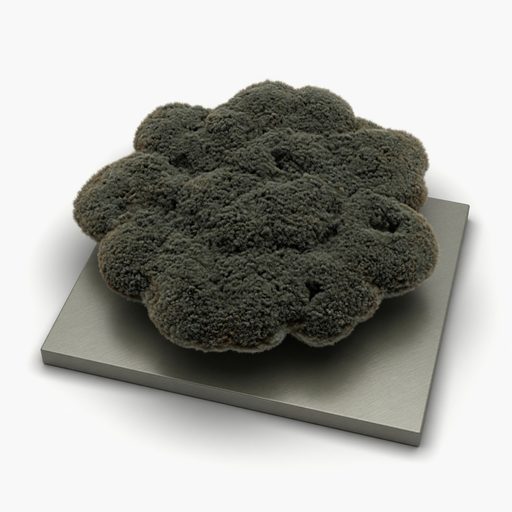
New carpet emits a cocktail of VOCs from the synthetic fibers (nylon, polyester), latex backing, adhesives, and carpet padding (often made from recycled foam). The characteristic "new carpet smell" includes 4-phenylcyclohexene (4-PCH), styrene, and formaldehyde. Carpet padding often has higher VOC emissions than the carpet itself.
Adhesives used to install hardwood, LVP, tile, and other flooring contain solvents that off-gas for weeks. Caulking, sealants around tubs and windows, and polyurethane floor finishes also release significant VOCs. Polyurethane floor finishes are among the highest VOC emitters in a new home.
Spray foam insulation off-gasses isocyanates and other compounds. New drywall joint compound releases acetaldehyde and formaldehyde. New HVAC ductwork has manufacturing oils that burn off. Collectively, these building components contribute to the overall new house smell, though individually they're less noticeable than paint or carpet.
How to Fix It
Ventilate Aggressively
$0-50The single most important thing you can do.
- 1Open all windows for at least 8 hours daily during the first 2-4 weeks — cross-ventilation is best.
- 2Run exhaust fans in bathrooms and kitchen continuously.
- 3Use box fans in windows to create active airflow — point OUT to draw fresh air through the house.
- 4If possible, delay moving in for 2-4 weeks after construction completion to allow peak off-gassing to occur.
Use Air Purification
$100-500For ongoing VOC reduction.
- 1Run HEPA air purifiers with activated carbon filters in main living areas — carbon absorbs VOCs that HEPA alone won't catch.
- 2Change HVAC filters to MERV 13+ and change them monthly for the first 6 months.
- 3Consider a whole-house air purifier integrated into the HVAC system ($500-2,000 installed).
- 4Houseplants can help marginally — NASA research identified peace lilies, spider plants, and snake plants as VOC absorbers.
Reduce VOC Sources
VariesIf you're still in the planning/building phase.
- 1Specify zero-VOC paint (Benjamin Moore Natura, Sherwin-Williams Harmony).
- 2Request CARB Phase 2 compliant or NAF (no added formaldehyde) engineered wood products.
- 3Choose hard flooring over carpet where possible — or specify low-VOC carpet and padding.
- 4Ask your builder to use low-VOC adhesives and sealants throughout.
When to Call a Professional
Persistent headaches, eye irritation, or respiratory symptoms — you may be sensitive to formaldehyde. Increase ventilation and consider professional VOC testing.
Smell not fading after 3-6 months — may indicate particularly high formaldehyde levels from cabinetry. Professional testing costs $200-400.
Anyone in the household has asthma or chemical sensitivities — delay occupancy if possible and ventilate extensively.
Pregnant women or infants — minimize exposure to VOCs. Ventilate the nursery for at least 4 weeks before baby's arrival.
How to Prevent It
Specify low-VOC materials during construction — the time to prevent off-gassing is before you build.
Ventilate for at least 4 weeks before moving in if possible.
Run HVAC continuously with fresh air intake during the first 3 months.
Avoid adding more VOC sources (new furniture, air fresheners) during the peak off-gassing period.
Keep humidity between 30-50% — high humidity increases formaldehyde emission rates.
Formaldehyde: The Biggest Concern in New Homes
Formaldehyde is classified as a known human carcinogen by the International Agency for Research on Cancer (IARC). It's also the single most persistent VOC in new construction because it's used in the adhesives for virtually all engineered wood products — plywood, MDF, particle board, OSB, and engineered hardwood flooring.
The California Air Resources Board (CARB) Phase 2 standard limits formaldehyde emissions from composite wood products, and it's been adopted as a national standard. However, compliance testing occurs at the factory, and real-world emissions in a closed, heated home can exceed test conditions. Formaldehyde emission increases with temperature and humidity — a home in Houston will have higher levels than one in Denver.
For reference, the WHO guideline for indoor formaldehyde is 0.1 mg/m³ (80 ppb). New homes commonly exceed this in the first few months, especially with closed windows and heating/cooling running. Professional testing with a formaldehyde monitor can measure your actual levels — if consistently above 0.1 mg/m³, additional ventilation or source removal is warranted.
Frequently Asked Questions
The strongest smell fades in 2-4 weeks. Most VOCs decrease by 80-90% within 3-6 months. Formaldehyde from engineered wood can continue at low levels for 1-2 years but is usually below concerning levels after 6 months with adequate ventilation.
Short-term exposure causes headaches, eye/throat irritation, and respiratory symptoms in sensitive individuals. Long-term exposure to high formaldehyde levels is linked to cancer. The key is aggressive ventilation during the first 3-6 months to keep VOC levels as low as possible.
Ventilation is #1 — open windows, run fans, run HVAC with fresh air intake. Activated carbon air purifiers help. Increasing temperature slightly while ventilating can accelerate off-gassing (the 'bake out' method), but this should only be done with windows open.
Yes, significantly. Zero-VOC paints emit less than 5 grams per liter of VOCs, while conventional paints can emit 300+ grams per liter. The difference in air quality is dramatic. Low-VOC paints have improved enormously — there's virtually no performance trade-off with modern formulations.