Most Likely Causes (Ranked)
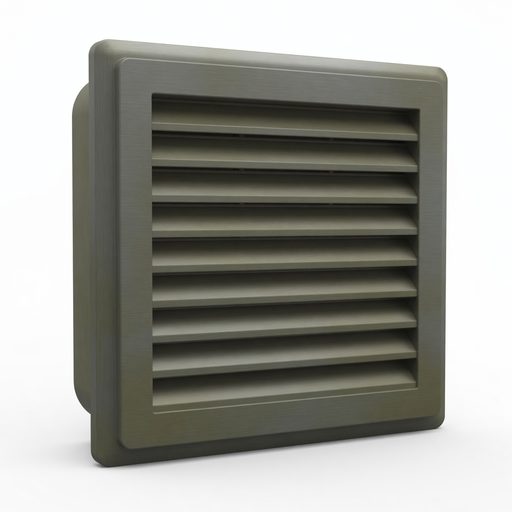
AC condensation on the evaporator coil and in ducts creates ideal mold conditions. HVAC pushes moldy air through the house.
Dirty filter traps moisture and decomposing biological material, tainting all air passing through.
Mice, rats, birds die inside ducts. Decomposition smell carried throughout the house.
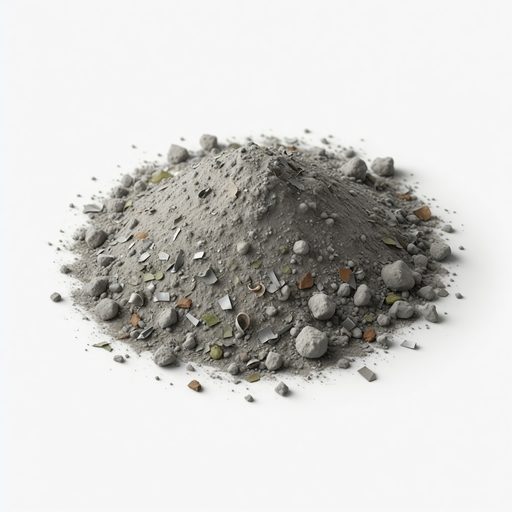
First heat use in fall burns off dust accumulated on heat exchanger. Harmless and temporary.
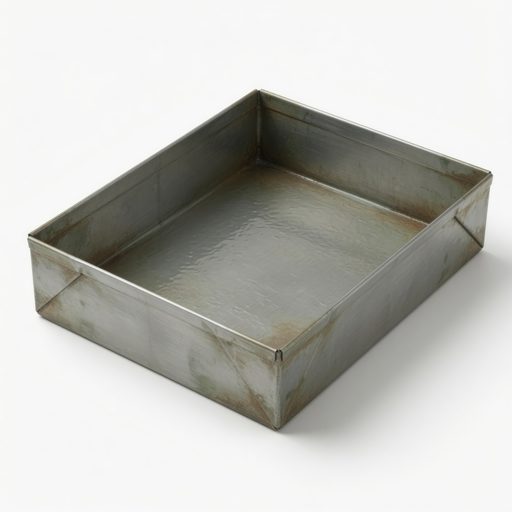
AC condensation drain clogs, standing water breeds bacteria and mold.
How to Fix It
Replace Air Filter
$5-20Always start here.
- 1Check current filter — if dirty, replace immediately.
- 2Use MERV 8-11 rated filter.
- 3Replace every 1-3 months.
- 4A clean filter alone solves many vent smells.
Clean Evaporator Coil/Drain
$100-300 proFor persistent musty smells.
- 1Locate indoor air handler.
- 2Check drain pan for standing water — clear drain line with wet/dry vacuum.
- 3Spray coil with no-rinse foaming cleaner ($10-15).
- 4Pour diluted bleach down drain line.
- 5Severe mold: professional HVAC cleaning ($200-500).
Professional Duct Cleaning
$300-700For persistent smells or visible mold.
- 1Professional equipment removes mold, dust, debris, dead animals.
- 2$300-500 for standard home.
- 3Ask about antimicrobial treatment post-cleaning.
- 4Consider UV light in air handler to prevent future mold ($200-400).
- 5Repeat every 3-5 years.
When to Call a Professional
Strong rotting smell from specific vents — dead animal smell. Have ducts inspected.
Burning smell that doesn't fade after an hour — possible electrical issue.
Visible mold around vent registers — professional remediation needed.
Family developing respiratory symptoms — mold in HVAC causing illness.
How to Prevent It
Change filter every 1-3 months.
Keep drain line clear — diluted bleach quarterly.
Annual HVAC maintenance.
Consider UV light in air handler.
Why AC Smells Worse Than Heat
AC creates condensation — moisture on the cold evaporator coil. If drainage is slow, mold grows. AC blows air across the moldy coil, spreading the smell.
Heating produces dry heat that kills mold. HVAC smells are predominantly an AC-season problem. The exception: seasonal burning dust when heat first kicks on.
Frequently Asked Questions
Every 3-5 years. More often with pets, allergies, or visible mold.
Yes. Mold and bacteria trigger allergies, asthma, and respiratory infections.
Yes, when done properly — including coil and drain pan, not just ducts.
Localized problem — dead animal smell, mold, or moisture in that duct section.