Common Causes (Ranked by Likelihood)
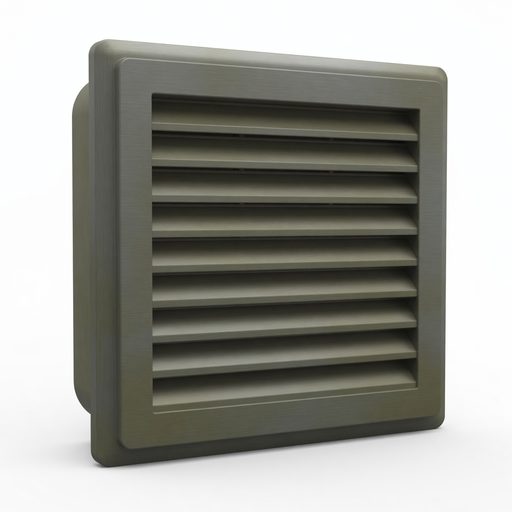
Mice, rats, and occasionally birds or squirrels enter ductwork through gaps, disconnected joints, or through the air handler itself. They get trapped and die inside the ducts. When the HVAC blower runs, air passes over the decomposing remains and carries the smell to every vent in the system. The smell intensifies over 3-7 days, peaks around 7-14 days, and gradually fades over 2-8 weeks as decomposition completes.
Animals don't have to die INSIDE the ducts — dying near a return air vent, in the crawlspace near ductwork, or inside the air handler cabinet has the same effect. Return vents pull air from the surrounding space, so a dead animal within several feet of a return will have its odor drawn into the entire system.
Extensive mold colonization inside ductwork — especially on the insulation lining of flex duct or in areas where condensation collects — can produce a smell that some describe as death-like. Musty, earthy, and decomposition-like odors can overlap. This is more common in humid climates, in homes with poor ductwork insulation, or after flooding.
If ductwork passes near or through a space where sewer gas is present (near a dry P-trap, broken sewer line, or sump pit), the HVAC system's negative pressure on the return side can draw sewer gas into the duct system and distribute it through the house. The resulting smell can be mistaken for a dead animal.
How to Fix It
Locate and Remove the Animal
$0-400The only way to resolve the smell quickly.
- 1Identify which vent smells worst — the animal is closest to that vent.
- 2Check accessible ductwork near that vent — use a flashlight and mirror for hard-to-see sections.
- 3Check the air handler cabinet, return air plenum, and furnace area — animals often die near the heat source.
- 4If you can reach it: wear gloves and a mask, double-bag the remains, and clean the area with enzymatic cleaner. If not accessible: call a wildlife removal service ($150-400).
Wait It Out (If Removal Isn't Possible)
$10-40 for odor managementIf the animal is inaccessible inside walls or sealed ductwork.
- 1The smell typically peaks at 7-14 days and fades over 2-8 weeks depending on the animal's size and temperature.
- 2Place activated charcoal bags or odor-absorbing gel near the worst-smelling vents.
- 3Run air purifiers with activated carbon filters in affected rooms.
- 4Open windows when possible. Use the HVAC fan to ventilate (the smell will eventually clear as the source desiccates).
Professional Duct Cleaning
$300-700After removal, or if mold is the cause.
- 1Professional duct cleaning ($300-500 for a typical home) removes residual contamination after animal removal.
- 2For mold in ductwork, duct cleaning with antimicrobial treatment ($500-700) is warranted.
- 3Seal all duct gaps and disconnections found during cleaning to prevent future animal entry.
- 4Replace duct insulation if contaminated with mold or animal waste.
When to Call a Professional
Smell persisting beyond 8 weeks — may be a larger animal or multiple animals. Consider professional investigation.
Flies emerging from vents — confirms a dead animal in the duct. Fly activity indicates the location.
Smell with visible mold at vents — ductwork mold needs professional remediation, not just cleaning.
Anyone in the household has severe asthma or immune issues — decomposition byproducts and mold spores can trigger symptoms. Consider staying elsewhere during peak smell.
How to Prevent It
Seal all ductwork gaps and connections with metal tape (not standard duct tape, which deteriorates).
Screen exterior HVAC vents with hardware cloth to prevent animal entry.
Set traps if you have a rodent problem — address the infestation before animals die in hard-to-reach places.
Schedule annual HVAC inspection — technicians can spot disconnected ducts and entry points.
Seal gaps around the air handler cabinet — a common entry point for mice.
The Timeline of Decomposition Smell in Ductwork
Understanding the decomposition timeline helps you know what to expect. A mouse (20-30 grams) decomposes relatively quickly: smell appears within 1-2 days, peaks at 5-7 days, and largely fades within 1-3 weeks. A rat (200-500 grams) follows a longer timeline: smell peaks at 7-14 days and can persist at noticeable levels for 4-8 weeks. Larger animals (squirrels, raccoons) can take 2-3 months to fully decompose.
The primary odor compounds are cadaverine and putrescine (diamines produced by bacterial decarboxylation of amino acids), hydrogen sulfide, and various volatile fatty acids. These compounds are detectable by the human nose at extremely low concentrations — parts per billion — which is why even a small mouse can make an entire house smell terrible.
Temperature significantly affects the timeline. In a heated duct system during winter, decomposition is accelerated by warmth, meaning the smell peaks faster but also resolves faster. In unheated spaces (like a disconnected duct in an attic during summer), the combination of heat and humidity produces the most intense odor but also the fastest resolution. Cool, dry conditions slow decomposition and can extend the smell over many weeks.
Frequently Asked Questions
Depends on the animal size: a mouse takes 1-3 weeks, a rat 4-8 weeks, and larger animals 2-3 months. Removal dramatically shortens the timeline. Activated charcoal and air purifiers help manage the smell during this period.
Air fresheners only mask the smell temporarily and can create a nauseating combination with the decomposition odor. Activated charcoal absorbs the odor compounds rather than masking them. Enzymatic cleaners on the source (if accessible) actually break down the odor-causing compounds.
Yes, ideally. Decomposition fluids and bacteria can contaminate duct surfaces, and hair/remains attract insects. A professional cleaning ($300-500) removes contamination and deodorizes the system. At minimum, replace your air filter after the smell resolves.
Seal all duct connections with metal tape, screen exterior vents with hardware cloth, seal the air handler cabinet, and address any rodent infestation. During annual HVAC maintenance, have the technician check for gaps and entry points.