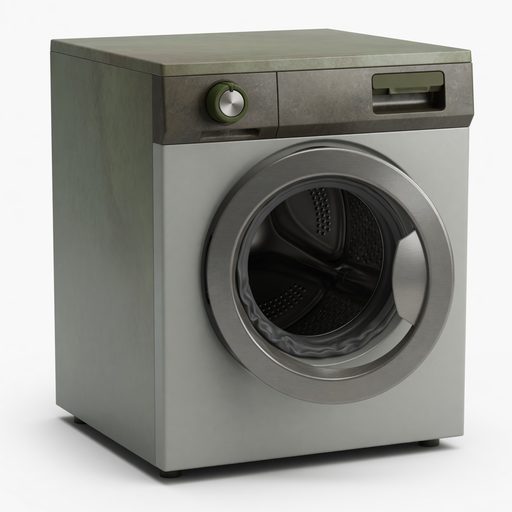
Most Likely Causes (Ranked)
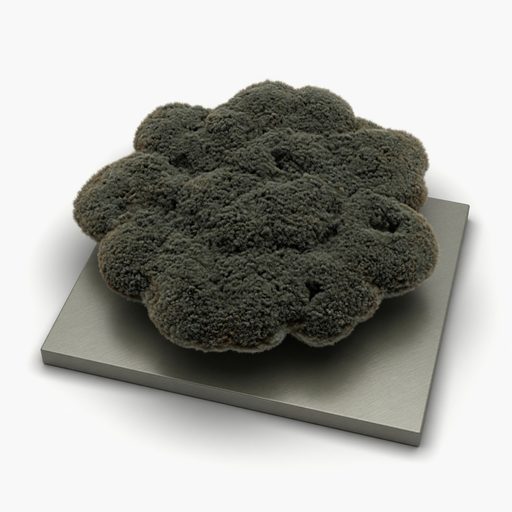
The rubber gasket that seals the door on front-load washers has folds and crevices that trap water, hair, lint, and detergent residue after every wash cycle. This creates a constantly damp, nutrient-rich environment where mold and bacteria thrive. Pulling back the gasket folds often reveals black mold, slimy buildup, and sometimes even standing water that's been there for weeks. This is the #1 cause of washing machine odor.

Using too much detergent — or using regular (non-HE) detergent in an HE washer — creates excess residue that coats the drum, hoses, and pump. This residue layer becomes a breeding ground for odor-causing bacteria. Fabric softener is even worse: it leaves a waxy buildup that doesn't rinse clean and accumulates over time. Most people use 2-3x more detergent than needed.
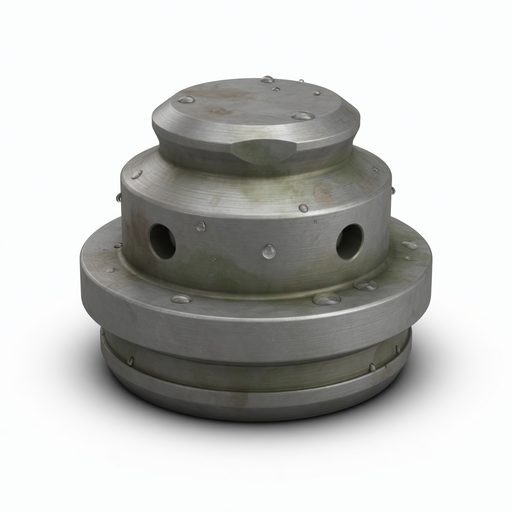
Most front-load washers (and some top-loaders) have a drain pump filter that catches coins, hair ties, lint, and other debris before they reach the drain pump. If this filter hasn't been cleaned, the trapped debris decomposes in standing water, producing a strong sewage-like odor. Many people don't even know this filter exists — it's usually behind a small panel on the front bottom of the machine.
If the washer's drain hose is pushed too far into the standpipe (wall drain), or if there's no air gap, sewer gas can back up into the washer. The drain hose should extend 6-8 inches into the standpipe with room for air around it. Similarly, a clogged standpipe can cause water to back up and sit in the hose between cycles.
How to Fix It
Deep Clean the Door Gasket
$0-5This is the first thing to do for any front-loader smell. Takes about 10 minutes.
- 1Mix a solution of equal parts white vinegar and water in a spray bottle, or use a 50/50 bleach-water solution for heavy mold.
- 2Pull back every fold of the door gasket and spray the solution into all crevices. Let it sit for 5 minutes.
- 3Scrub with an old toothbrush or cleaning cloth, getting into every fold. Remove any hair, lint, or debris trapped in the gasket.
- 4Wipe down the entire gasket with a clean damp cloth until no residue remains.
- 5Dry the gasket thoroughly with a towel. Leave the door open to air dry completely.
Run a Hot Cleaning Cycle
$0-8This cleans the drum, hoses, and pump — the parts you can't reach by hand.
- 1Remove any clothes from the washer.
- 2Add 2 cups of white vinegar directly to the drum (not the dispenser). Alternatively, use a washing machine cleaning tablet like Affresh ($8 for 6 tablets).
- 3Run the hottest, longest cycle available. Many washers have a dedicated "Clean" or "Tub Clean" cycle — use that if available.
- 4After the vinegar cycle finishes, sprinkle 1/2 cup of baking soda into the drum and run another short hot cycle. This neutralizes the vinegar and provides extra cleaning action.
- 5When finished, wipe down the drum, gasket, and door with a dry cloth. Leave the door and detergent dispenser open to air dry.
Clean the Drain Filter
$0If you've never cleaned this, it's likely contributing to the smell. Do this every 1-3 months going forward.
- 1Locate the drain filter access panel — usually a small door on the lower front of the washer. Consult your owner's manual if you can't find it.
- 2Place towels and a shallow pan on the floor. There will be water behind the filter.
- 3Open the small drain hose first (if present) and let the water drain slowly into the pan. This prevents a flood when you remove the filter.
- 4Unscrew the filter cap counter-clockwise and pull it out. Remove any debris (coins, hair ties, lint, buttons).
- 5Clean the filter under running water with an old toothbrush. Clean inside the filter housing with a cloth.
- 6Replace the filter, close the panel, and run a short rinse cycle to make sure there are no leaks.
Fix Your Habits (Prevent Recurrence)
$0The most important fix — changing three habits eliminates the problem permanently.
- 1Leave the door ajar after every load. This is the single most effective prevention step. Even a 2-inch gap allows air circulation that prevents mold. If you have small children or pets, leave it open a crack or close it loosely without latching.
- 2Use the right amount of HE detergent. Most people use way too much. For a regular load, use 1-2 tablespoons — not the full cap. More detergent does not equal cleaner clothes; it equals more residue and more odor.
- 3Pull out and leave open the detergent dispenser drawer after each load. Water and residue collect in there too.
- 4Run a monthly cleaning cycle with vinegar or a washer cleaning tablet. Set a recurring calendar reminder — it takes 5 minutes of active effort.
- 5Skip liquid fabric softener entirely. Use wool dryer balls instead ($10-15, last for years). Fabric softener is the biggest contributor to washer residue buildup.
When to Call a Professional
The smell persists after a thorough cleaning and habit changes — if the odor won't go away after cleaning the gasket, filter, and running multiple hot cycles, mold may have penetrated the rubber gasket material itself. Gasket replacement costs $150-350 including parts and labor.
Your clothes come out smelling musty or sour — this means bacteria from the washer are transferring to your laundry. Re-wash affected clothes with 1 cup of white vinegar on a hot cycle. If this keeps happening after cleaning the machine, the internal hoses or pump may need professional cleaning.
You see visible mold that can't be scrubbed off the gasket — mold that has penetrated the rubber can't be cleaned, only replaced. This is a common issue on front-loaders over 5 years old.
Water doesn't drain completely from the drum — standing water after a cycle indicates a drain pump issue or clog that needs repair. This stagnant water is a major odor source.
How to Prevent It
Leave the door open after every wash — even a small gap allows airflow that prevents mold. This single habit prevents 90% of washing machine odor problems.
Use HE detergent in the correct amount — 1-2 tablespoons for a regular load. Using too much creates the residue that bacteria feed on.
Run a monthly cleaning cycle — hot water with 2 cups vinegar or a cleaning tablet. Set a phone reminder on the first of each month.
Wipe the gasket after each load — takes 10 seconds with a dry cloth. Removes the moisture that mold needs.
Clean the drain filter every 1-3 months — prevents decomposing debris from contributing to odors.
Why Front-Loaders Smell Worse Than Top-Loaders
Front-load washers are inherently more prone to odor issues than top-loaders, and it comes down to design. The horizontal drum and airtight door seal mean water can't evaporate as easily between loads. The rubber gasket creates multiple crevices where water pools. And front-loaders use less water overall (which is a feature for efficiency), but less water means detergent residue is more concentrated on surfaces.
Top-loaders, by contrast, have a vertical drum that drains more completely by gravity, and the lid can be left open without an airtight seal trapping moisture. That said, high-efficiency top-loaders with sealed lids can develop the same issues as front-loaders.
This doesn't mean front-loaders are bad — they clean better, use less water, and are gentler on clothes. They just need a little more maintenance attention. If you leave the door open and run a monthly clean cycle, most front-loader owners never experience odor issues.
Frequently Asked Questions
Run a cleaning cycle once per month — hot water with 2 cups of white vinegar or a commercial washer cleaning tablet. Clean the door gasket and drain filter every 1-3 months. This takes about 10 minutes of active effort and prevents virtually all washing machine odor issues.
Yes, but don't mix it with vinegar. Run one cycle with 1 cup of bleach for sanitizing, then a separate cycle with 2 cups of vinegar for descaling. Never combine bleach and vinegar in the same cycle — they produce chlorine gas, which is dangerous. For routine monthly cleaning, vinegar alone is sufficient.
Yes, significantly. Always use HE (high-efficiency) detergent in HE washers — regular detergent produces too many suds that don't rinse cleanly. Liquid detergent leaves more residue than powder. And use far less than you think — 1-2 tablespoons handles a normal load. Pods are convenient and pre-measured, which prevents overuse. Skip liquid fabric softener entirely; switch to wool dryer balls.
Very likely. Odor-causing bacteria on washer surfaces transfer to clothes during the wash cycle. Deep clean the machine (gasket, filter, cleaning cycle), then re-wash the affected clothes on hot with 1 cup of white vinegar. If clothes consistently smell musty within a few hours of washing, the washer needs attention.