Most Likely Causes (Ranked)
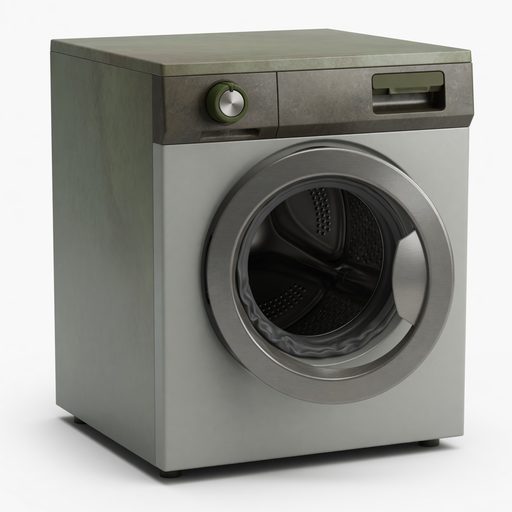
Mold in the door gasket, detergent residue in the drum, and bacteria in the drain filter create a persistent smell in and around the washing machine. Front-loaders are especially prone because the horizontal drum design allows water to pool in the gasket. This smell permeates the entire laundry room.
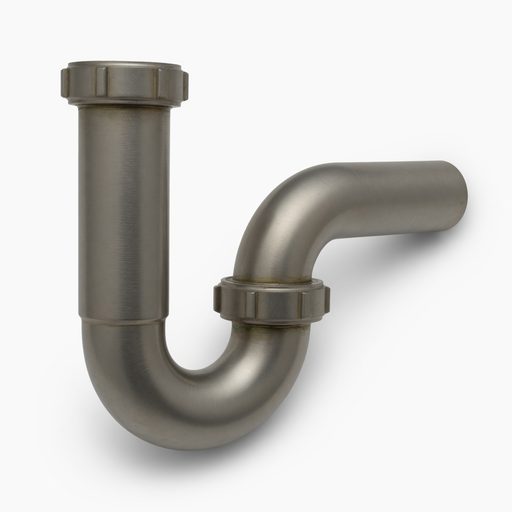
Many laundry rooms have a floor drain that rarely receives direct water. The P-trap dries out in 2-4 weeks, allowing sewer gas to flow directly into the room. This is one of the most common "mystery smells" in laundry rooms.
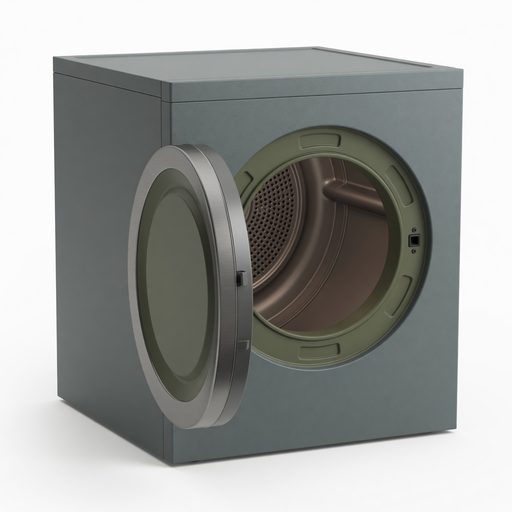
A disconnected, kinked, or clogged dryer vent traps lint and moisture in the laundry room. This creates a humid environment that encourages mold, and trapped lint has a distinctive stale, burnt smell. A disconnected vent also vents all dryer moisture (2-4 gallons per load) directly into the room.
The washing machine drain hose goes into a standpipe — an open pipe connected to the drain system. If the drain is partially clogged, wash water doesn't drain fully and stagnates in the pipe. A missing or too-short standpipe can also allow sewer gas to escape around the drain hose.
How to Fix It
Clean the Washing Machine
$0-8Follow the full washer cleaning protocol — gasket, dispenser, hot cycle, filter.
- 1Clean the door gasket with vinegar spray and a toothbrush. Check all folds for mold.
- 2Remove and clean the detergent dispenser in hot soapy water.
- 3Run a hot cleaning cycle with 2 cups white vinegar (no clothes).
- 4Clean the drain filter (front bottom panel of most machines).
- 5Leave the door and dispenser open to dry after every use.
Fill the Floor Drain
$0Takes 30 seconds. Run water in the floor drain to refill the P-trap.
- 1Pour a gallon of water slowly into the floor drain.
- 2Add a tablespoon of mineral oil — it floats on top of the water and slows evaporation dramatically.
- 3Set a monthly reminder to add water to the floor drain.
- 4If the drain is completely clogged and won't accept water, it needs professional clearing.
Fix the Dryer Vent
$0-175A disconnected or clogged vent affects both smell and safety (fire risk).
- 1Pull the dryer out and check the vent hose connection at both ends (dryer and wall). Reconnect if loose. Replace crushed or kinked hose with rigid or semi-rigid metal ducting ($15-25).
- 2Go outside and check the vent outlet. Make sure the damper opens when the dryer runs and isn't blocked by lint or debris.
- 3If the vent run is long (>15 feet) or has multiple turns, have it professionally cleaned ($100-175). Lint buildup in long runs is a fire hazard.
- 4Never use plastic or vinyl vent hose — they trap lint and are a fire hazard. Use rigid or flexible aluminum.
When to Call a Professional
The dryer takes 2+ cycles to dry clothes — severely clogged vent. Fire hazard. Clean immediately.
Water backs up from the standpipe during wash cycles — partial drain clog needs snaking ($150-250).
Mold is visible on walls or ceiling — chronic moisture problem from poor ventilation or dryer vent issue.
The laundry room smells like gas — if you have a gas dryer, a gas smell could indicate a leak. Leave the area and call the gas company.
How to Prevent It
Leave the washer door open after every load — 2 inches of gap prevents mold.
Run water in the floor drain monthly — add mineral oil to slow evaporation.
Clean the dryer lint trap every load — and have the vent duct cleaned annually.
Run a monthly washer cleaning cycle — vinegar on hot, empty machine.
Ensure good laundry room ventilation — an exhaust fan or open window during dryer use removes excess moisture.
The Hidden Floor Drain Trick
Laundry room floor drains are the most commonly overlooked sewer gas entry point in the home. They're there for emergencies (washer overflow, water heater leak) but rarely receive water during normal use. The P-trap dries out in 2-4 weeks, and sewer gas flows freely into the room.
The mineral oil trick solves this permanently with almost zero effort. After filling the trap with water, add a tablespoon of mineral oil. The oil floats on the water surface and dramatically slows evaporation — the trap stays sealed for months instead of weeks.
RV antifreeze (propylene glycol, the non-toxic kind) works even better for drains in vacation homes or rarely-used spaces — it resists evaporation and won't freeze.
Frequently Asked Questions
Likely a dry P-trap in the floor drain (run water for 30 seconds) or sulfur-producing bacteria in the washing machine (run a hot cleaning cycle with vinegar). If both are fine, check the standpipe — a partial clog can cause sewage to stagnate in the drain.
Yes. A disconnected or clogged dryer vent traps lint and moisture, creating a musty, stale smell. Lint also has a distinctive odor when it gets damp. Additionally, all the moisture from drying clothes (2-4 gallons per load) gets dumped into the room instead of outside, creating high humidity and mold-friendly conditions.
Fix the source first (machine, drain, vent). Then: place baking soda or activated charcoal to absorb residual odors, ensure good ventilation, and wipe surfaces with a vinegar solution. Air fresheners mask but don't solve the underlying issue.
Some humidity during dryer operation is normal if the door is closed. But chronic humidity (condensation on windows, damp walls) indicates a problem: disconnected dryer vent, poor room ventilation, or a washer that doesn't drain fully. Fix these issues to prevent mold growth.