Common Causes (Ranked by Likelihood)
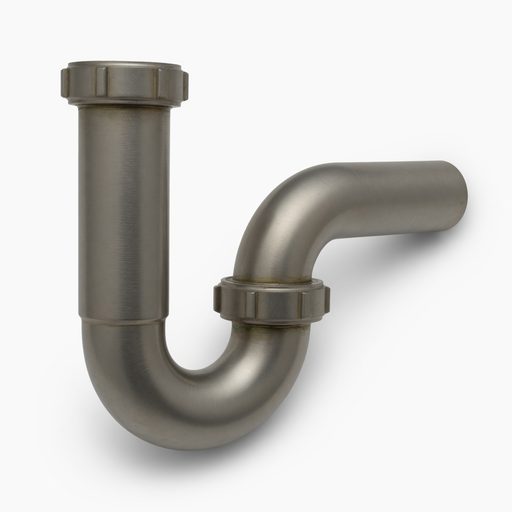
Every drain has a P-trap — a U-shaped pipe that holds water to create a seal against sewer gas. If the floor drain or washing machine standpipe isn't used regularly, the water evaporates (especially in dry climates or heated basements) and sewer gas flows freely into the room. This is the #1 cause of sewer smell in laundry rooms.

Hair, lint, soap scum, and fabric softener build up in the washing machine drain or floor drain over time. This organic gunk decomposes and produces hydrogen sulfide gas (the rotten egg / sewer smell). The clog also slows water flow, preventing the P-trap from refilling properly.
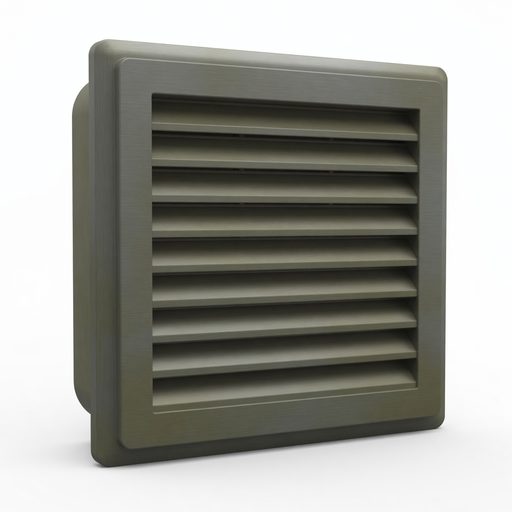
Every drain needs a vent pipe that connects to the roof, allowing air to flow and prevent siphoning of P-trap water. If the vent is clogged (leaves, bird nests, ice) or was never properly installed, the draining water creates suction that pulls water out of the P-trap, breaking the sewer gas seal.
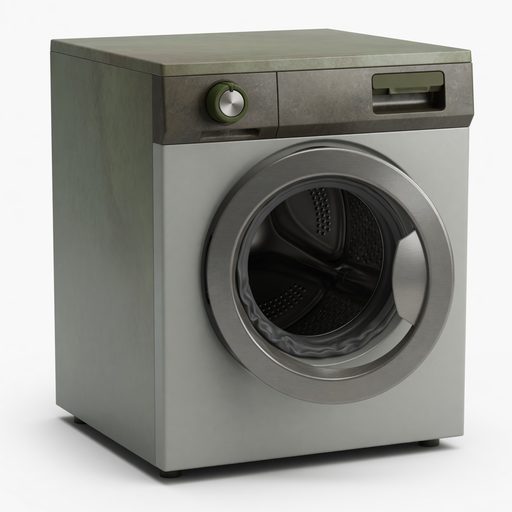
The washing machine itself can generate sewer-like smells from bacteria, mold, and mildew growing inside the drum, gasket, or drain hose. Front-loaders are especially prone because water pools in the rubber door gasket. The drain hose can also develop biofilm that smells like sewage.
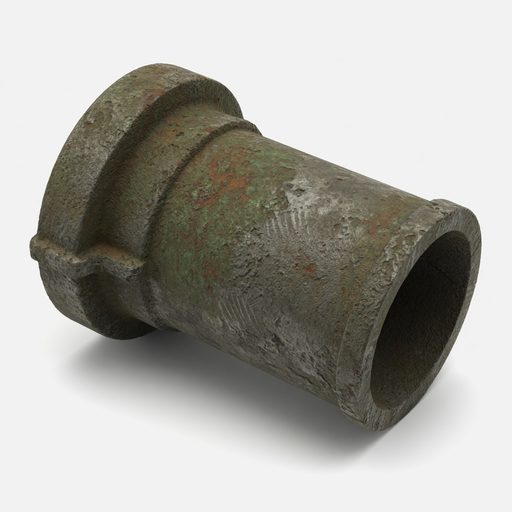
A cracked sewer line beneath the floor, a deteriorated wax seal on a nearby toilet, or a broken cleanout plug can leak sewer gas into the laundry room. Tree root intrusion into sewer lines is a common cause of cracks. This requires professional diagnosis and repair.
How to Fix It
Prime the P-Trap
$0Takes 10 seconds — fixes the most common cause.
- 1Pour about 1 gallon of water down the floor drain — this refills the P-trap and restores the gas seal.
- 2Add a few tablespoons of mineral oil on top — this floats on the water and slows evaporation dramatically.
- 3Set a reminder to pour water down the drain at least once a month if it doesn't get regular use.
- 4If you have a basement floor drain that never gets used, consider a trap primer ($30-80) that automatically adds water.
Clean the Drains
$0-30For clogged or smelly drains.
- 1Pour 1/2 cup baking soda down the drain, follow with 1 cup white vinegar, wait 30 minutes, then flush with boiling water.
- 2Use an enzyme-based drain cleaner (like Bio-Clean or Green Gobbler) monthly — these eat the organic buildup without damaging pipes.
- 3Snake the washing machine drain with a drain auger ($15-30) to remove deep clogs.
- 4Clean the washing machine: run an empty hot cycle with 2 cups of white vinegar, then another with baking soda.
Call a Plumber
$150-500+For venting issues, broken lines, or persistent smell.
- 1A plumber can smoke-test or camera-inspect the sewer line to find cracks or breaks ($150-400).
- 2Vent pipe clearing (from the roof) typically costs $100-300.
- 3If tree roots have invaded the sewer line, expect $1,000-4,000 for repair depending on severity.
- 4Installing a proper air admittance valve (AAV) for missing venting costs $100-250.
When to Call a Professional
Persistent sewer smell in multiple rooms — could indicate a broken main sewer line.
Smell accompanied by wet spots on the floor — possible sewer leak beneath the slab.
Anyone feeling dizzy or nauseous from the smell — sewer gas contains methane and H2S; ventilate the area and call a plumber.
Smell gets dramatically worse when it rains — could indicate infiltration or a damaged sewer vent.
How to Prevent It
Run water down all floor drains monthly — prevents P-trap evaporation.
Clean washing machine gaskets and drum monthly — prevents mold and biofilm buildup.
Use enzyme drain cleaner quarterly — prevents organic buildup in pipes.
Never use the washing machine standpipe as a general drain — it's not designed for that.
Have sewer line inspected every 3-5 years if you have mature trees near the line.
Understanding P-Traps and Sewer Gas
The P-trap is one of the simplest yet most important plumbing inventions. Every drain in your home — sinks, showers, toilets, floor drains, and washing machine standpipes — has one. The U-shaped curve holds 2-4 inches of water that creates an airtight seal preventing sewer gas from entering your living space.
Sewer gas is a mixture of hydrogen sulfide (the rotten egg smell), methane (flammable), ammonia, and other gases produced by decomposing organic matter in the sewer system. In small concentrations it's just unpleasant, but in confined spaces, high concentrations of hydrogen sulfide can cause headaches, nausea, and in extreme cases, loss of consciousness.
The water in a P-trap evaporates over time — faster in dry, warm environments. A typical floor drain P-trap in a heated basement can dry out in 2-4 weeks of non-use. This is why laundry rooms, guest bathrooms, and basement floor drains are the most common sources of sewer smell in homes.
Frequently Asked Questions
In typical household concentrations, sewer gas is unpleasant but not immediately dangerous. However, it contains hydrogen sulfide and methane, which can cause headaches and nausea with prolonged exposure. Fix the source rather than just masking the smell.
Intermittent smell almost always points to a dry P-trap. The water seal evaporates when the drain isn't used, then refills when you do laundry. Add mineral oil to the P-trap to slow evaporation between uses.
Yes. Front-loaders especially can develop mold and bacteria in the door gasket, drum, and drain hose. Run a monthly cleaning cycle with hot water and vinegar, and leave the door open between loads to allow drying.
A diagnostic visit is typically $75-150. Clearing a vent pipe is $100-300. Snaking a drain is $150-300. If the sewer line needs repair, expect $1,000-4,000+. Start with the free fixes (P-trap priming, drain cleaning) before calling a plumber.