Most Likely Causes (Ranked)
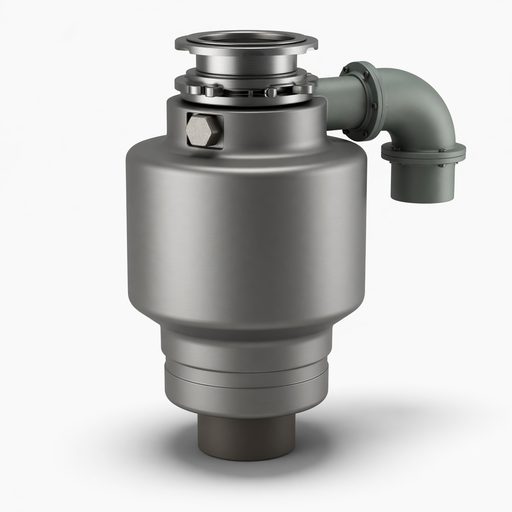
Disposals grind food but don't flush everything. Residue accumulates on the grinding plate and especially under the rubber splash guard — hidden from view. This decomposing food is the #1 source.
Grease, soap, and food coat the drain pipe creating slimy biofilm that harbors bacteria producing hydrogen sulfide and other foul compounds.
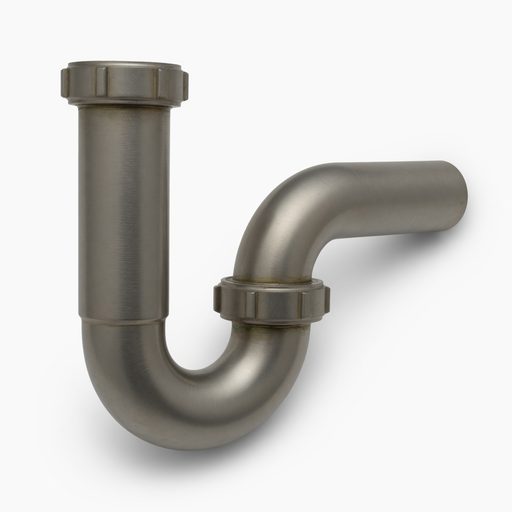
P-trap water seal evaporates if sink sits unused for weeks, allowing sewer gas through.
Blocked vent creates negative pressure that siphons P-trap water and causes slow drainage with gurgling.
How to Fix It
Clean the Disposal
$0-35 minutes, addresses most common cause.
- 1Turn off disposal. Scrub splash guard underside with toothbrush and dish soap.
- 22 cups ice + 1/2 cup rock salt — run with cold water 30 seconds.
- 3Grind half a lemon with cold water for freshness.
- 4For heavy buildup: 1/2 cup baking soda, sit 30 min, pour 1 cup vinegar, flush with hot water.
- 5Always run disposal with cold water — solidifies grease so it gets ground up.
Clear Drain Biofilm
$0-10For sinks without disposals or persistent smell.
- 1Pour slowly: full pot of boiling water down drain.
- 21/2 cup baking soda, wait 15 min, 1 cup vinegar, cover drain, wait 30 min.
- 3Flush with another pot of boiling water.
- 4For persistent biofilm: enzyme drain cleaner (Bio-Clean, Green Gobbler) overnight.
- 5Never use chemical drain cleaners for odor — harsh on pipes and don't address biofilm.
Refill P-Trap
$0If sewer-like smell and sink was unused.
- 1Run water 30 seconds.
- 2Add tablespoon of mineral oil to slow evaporation.
- 3Tighten or replace leaking P-trap ($5-15).
- 4Monthly reminder to run unused drains.
When to Call a Professional
sewer smell persists after running water — vent pipe or deeper drain issue.
Multiple drains smell — main vent or sewer line problem.
Water backs up or drains very slowly — significant clog, may need snaking ($100-250).
Smell persists after thorough cleaning — deep biofilm may need hydro-jetting ($200-500).
How to Prevent It
Run disposal 15 seconds after grinding with cold water.
Clean splash guard weekly — 30 seconds with toothbrush.
Don't pour grease down drain — wipe pans with paper towel first.
Weekly hot water flush — boiling water melts grease.
Monthly enzyme treatment prevents biofilm.
The Splash Guard: #1 Hidden Smell Source
The rubber splash guard is designed to prevent splashing but is also the dirtiest component in your kitchen sink.
Its underside is coated in decomposing food residue that never gets cleaned because it's hidden from view.
Cleaning takes 30 seconds: lift each flap, scrub with toothbrush and dish soap. Do weekly.
Frequently Asked Questions
hydrogen sulfide from drain biofilm bacteria or sewer gas from depleted P-trap. Try baking soda + vinegar + boiling water. If sewer-like and water doesn't help, vent pipe may be blocked.
Yes — one of the best cleaning methods. Scrapes residue off grinding plate and chamber. 2 cups ice with cold water.
No. Harsh on pipes, don't address biofilm causing odor. Use enzyme cleaners or baking soda/vinegar instead.
Heat activates volatile compounds in biofilm. Confirms organic buildup is the cause. Same fix: clean disposal, flush with baking soda/vinegar, enzyme treatment.