Most Likely Causes (Ranked)
The splash guard (rubber baffle) at the top of the disposal has multiple rubber flaps with folds and ridges. During grinding, food particles splash up and coat the underside of these flaps. Because water flows downward through the disposal, it never reaches the underside of the splash guard. Food accumulates, decomposes, and produces a strong rotting smell. This is the #1 cause of disposal odor and the one most people never address.
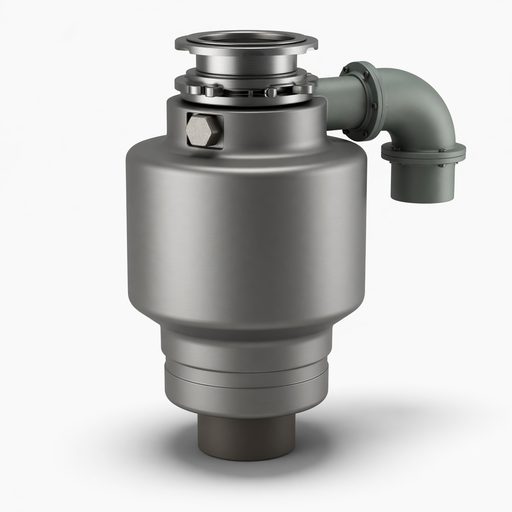
The upper walls of the grinding chamber, above the grinding plate, accumulate a layer of food residue and grease over time. The grinding action only cleans the bottom surfaces — the splash zone above it retains food particles. Grease from cooking is especially problematic because it coats surfaces and traps other food particles.
Running the disposal without enough water leaves food residue in the grinding chamber and drain pipe instead of flushing it through. Many people turn the disposal on, grind the food, and immediately shut off the water. The ground food needs 15-20 seconds of flowing water after grinding to flush completely through the drain pipe.
How to Fix It
Clean the Splash Guard (Most Important)
$0This is the fix that eliminates 80% of disposal odor. Takes 3 minutes.
- 1Turn the disposal OFF (confirm the switch is off, or better yet, unplug it or turn off the breaker).
- 2Lift each rubber flap of the splash guard and scrub the underside with a brush (an old toothbrush works perfectly) and dish soap.
- 3You'll immediately understand why it smelled — the underside is usually coated with a slimy, foul-smelling layer of decomposed food.
- 4Rinse thoroughly with hot water.
- 5Repeat weekly or whenever you notice the smell starting to return. Once you know where the smell comes from, this becomes a quick habit.
Deep Clean the Grinding Chamber
$0-5After cleaning the splash guard, clean the grinding chamber to address wall buildup.
- 1Drop 6-8 ice cubes and a tablespoon of coarse salt (kosher or rock salt) into the disposal. Run it for 30 seconds with cold water. The ice and salt scour the grinding plate and walls.
- 2Cut a lemon or lime into quarters and run them through the disposal one at a time. The citric acid cuts grease, the rind scours surfaces, and the oils leave a fresh scent.
- 3For heavier buildup: pour 1/2 cup baking soda into the disposal, add 1 cup white vinegar, let it fizz for 5 minutes, then flush with hot water while running the disposal.
- 4Alternatively, fill the sink halfway with hot water and a squirt of dish soap. Pull the plug and run the disposal as the water drains — this flushes the entire chamber and drain pipe.
Fix Your Usage Habits
$0Preventing the smell from returning is about how you use the disposal.
- 1Always run COLD water (not hot) when grinding. Cold water solidifies grease so it gets chopped up and flushed rather than coating the walls as a liquid.
- 2Keep water running for 15-20 seconds AFTER the grinding is done. This flushes residue through the drain pipe.
- 3Don't put fibrous foods (celery, corn husks, artichokes), starchy foods (pasta, rice, potato peels in large quantities), or grease/oil down the disposal.
- 4Run the disposal every few days even if you have nothing to grind — just run water through it to keep things flushed.
- 5Weekly: do the ice + salt treatment and scrub the splash guard. This 2-minute routine prevents odor buildup entirely.
When to Call a Professional
The smell persists after thorough cleaning — the drain pipe below the disposal may have biofilm buildup or a partial clog. Treat with an enzyme drain cleaner.
The disposal leaks from the bottom — a leaking disposal allows food and water to accumulate under the sink, creating additional odor. A leaking unit usually needs replacement ($150-350 installed).
The disposal doesn't grind effectively — dull blades leave larger food particles that decompose faster. If the unit is old and doesn't grind well, replacement is more effective than cleaning.
You smell sewer gas rather than rotting food — sewer smell from the disposal area indicates a P-trap issue or vent problem, not food buildup. See our drain smells guide.
How to Prevent It
Scrub the splash guard weekly — the single most impactful prevention step. Takes 60 seconds with a brush and dish soap.
Run ice + salt monthly — scours the grinding chamber and keeps it clean.
Always run cold water during and after grinding — 15-20 seconds after grinding stops to fully flush the system.
Run a lemon through monthly — citric acid cuts grease and the oils leave the disposal smelling fresh.
Avoid grease and fibrous foods — grease coats surfaces and traps odors; fibrous foods wrap around components.
The Splash Guard Secret Nobody Tells You
Nearly every article about smelly garbage disposals tells you to grind ice and lemons. These help, but they miss the real problem. The splash guard — that rubber piece at the top — is where 80% of the smell lives. Its underside never gets rinsed during normal operation because water flows downward through the disposal, not upward over the guard.
Once you see what's on the underside of a splash guard that's never been cleaned, you'll understand. It's a thick layer of decomposed food that's been building for months or years. Five seconds of scrubbing with a toothbrush eliminates a smell that ice, lemons, and baking soda couldn't touch.
Some people remove the splash guard entirely for cleaning — it usually just pops in and out or is held by a snap ring. This makes cleaning even easier. You can soak it in a bowl of soapy water, scrub it, and snap it back in.
Frequently Asked Questions
The splash guard: weekly (60 seconds with a brush). Ice + salt treatment: monthly. Lemon grinding: monthly. Baking soda + vinegar deep clean: monthly or when you notice odor. If you maintain the weekly splash guard habit, the disposal rarely develops a bad smell.
Yes — lemons are one of the best things for your disposal. The citric acid cuts grease, the rind scours the grinding surfaces, and the oils leave a fresh scent. Cut into quarters and feed one piece at a time with running water. Limes, oranges, and grapefruit work similarly.
Disposal cleaning pods ($5-8 for 4-6 pods) like Affresh or Glisten work by foaming up inside the chamber and loosening buildup. They're effective for the grinding chamber but don't clean the splash guard — you still need to scrub that manually. They're a good supplement to manual cleaning but not a replacement.
Not necessarily. If thorough cleaning (including the splash guard) doesn't resolve the smell, the drain pipe below the disposal is likely the issue — treat it with an enzyme cleaner. Only consider replacement if the disposal is also leaking, not grinding well, or is over 10 years old.