Most Likely Causes (Ranked)
Bacteria immediately begin breaking down organic food waste. Meat, dairy, seafood, and cooked food decompose fastest, producing the most pungent smells. Warm kitchen temperatures accelerate decomposition significantly.
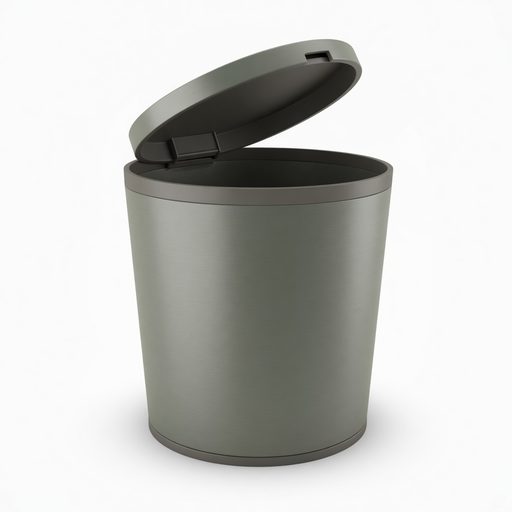
Leaky bags leave food juice in the bottom of the trash can. Over weeks and months, this residue builds up, creating a permanent odor source even with a fresh bag. Most people never clean their trash can.
Letting trash sit for more than 3-4 days in warm weather gives bacteria enough time to produce significant odor. Smaller households that fill bags slowly have this problem more than large families.
Cheap or overfilled bags develop tears that let food juice leak into the can, contaminating it. Sharp items like bones, broken glass, or can lids puncture bags.
How to Fix It
Clean the Trash Can
$0The fix most people skip — and the most impactful.
- 1Take the can outside or to the garage.
- 2Spray inside with a garden hose to remove loose debris.
- 3Sprinkle 1/2 cup baking soda and a squirt of dish soap inside. Scrub with a brush.
- 4Rinse thoroughly. Let it dry completely in the sun (UV kills bacteria).
- 5Do this monthly. The difference is dramatic.
Prevent Odor Buildup
$0-5Daily habits that keep the can fresh.
- 1Sprinkle baking soda in the bottom of each fresh trash bag — absorbs moisture and odor.
- 2Double-bag especially smelly items (meat packaging, seafood, diapers).
- 3Take trash out every 2-3 days in warm weather, even if the bag isn't full.
- 4Freeze meat scraps and fish waste until trash day — prevents decomposition entirely.
- 5Use trash bags that fit properly — oversized bags bunch up and tear.
Reduce Food Waste Odor
$0-30For households with persistent food waste smell.
- 1Compost fruit and vegetable scraps instead of trashing them (eliminates the organic waste that causes most odor).
- 2Rinse food containers before trashing (yogurt cups, meat trays, etc.).
- 3A trash can with a tight-fitting lid ($15-30) contains odor better than open cans.
- 4Activated charcoal odor filters ($5-10) stick inside the lid and absorb smells.
When to Call a Professional
Sweet, chemical smell from the trash area — could be something other than food waste. Check for spilled cleaning products.
Maggots in the trash can — flies have laid eggs in food waste. Clean the can thoroughly with bleach water outside.
Persistent smell even after cleaning — the can material may have absorbed odors permanently. Consider replacement.
How to Prevent It
Clean the can monthly — the #1 prevention step most people skip.
Baking soda in every bag — cheap, easy, effective.
Take trash out every 2-3 days — don't wait for a full bag.
Freeze smelly scraps — meat and fish waste in the freezer until trash day.
Use quality bags that fit — prevents leaks that contaminate the can.
The Freezer Trick for Meat and Fish Waste
The single best tip for households that cook a lot of meat or fish: keep a designated freezer bag for raw meat packaging, bones, and seafood scraps. Freeze them until garbage pickup day, then move them to the trash can right before pickup.
This eliminates the worst odor source entirely. Frozen food waste doesn't decompose, doesn't attract flies, and doesn't leak. It sounds odd but it's standard practice in many restaurant kitchens for exactly this reason.
Frequently Asked Questions
Monthly for indoor kitchen cans. Every 2 weeks in summer if you have heavy food waste. Outdoor bins should be cleaned quarterly.
Yes. Baking soda (sodium bicarbonate) neutralizes acidic odor compounds produced by decomposing food. Sprinkle 2-3 tablespoons in the bottom of each fresh bag.
A stainless steel can with a tight-fitting step-lid. Stainless steel doesn't absorb odors like plastic does. The sealed lid contains smells better than open or swing-top designs. Simplehuman and iTouchless make well-reviewed options.
Yes. A diluted bleach solution (1/4 cup per gallon of water) kills odor-causing bacteria effectively. Rinse thoroughly afterward and let dry completely. Do this outside or in a well-ventilated area.