Does this match what you’re noticing?
“The filter under the bottom spray arm is slimy or packed with food bits when you twist it out”
Most Likely Causes (Ranked)
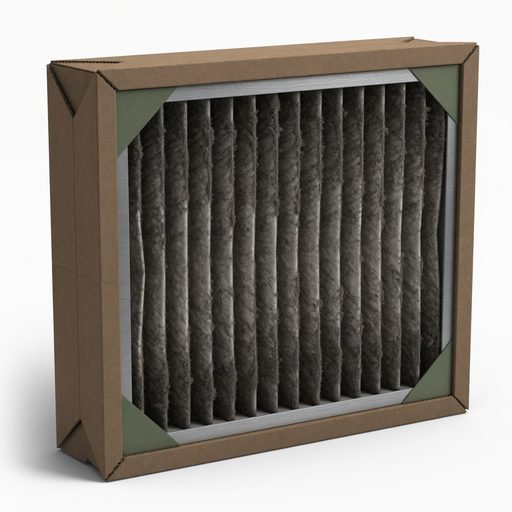
Food particles and debris get caught in the filter at the bottom of the tub every cycle; that is its job, and Bosch says to clean it regularly8. Neglected, LG says, it may generate an offensive odor, and KitchenAid and Maytag both describe a clogged filter as smelling of fish or rotten food1210. A packed filter also holds dirty water in the machine. Whirlpool says water that remains at the bottom because of a blocked filter or drainage issue can cause unpleasant smells, and Bosch's UK support page tells you to check that the filter isn't blocked59. GE's first fix for a stale, musty or sour smell is to remove and scrub the filter6. Not every machine has one you need to clean. Consumer Reports notes that European dishwashers use a self-cleaning filter while American models may have either kind, and KitchenAid says maintenance-free filters are unlikely to cause smells; your owner's manual says which you have112.
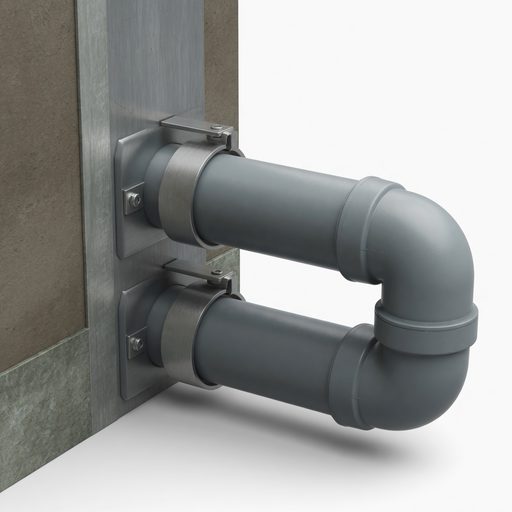
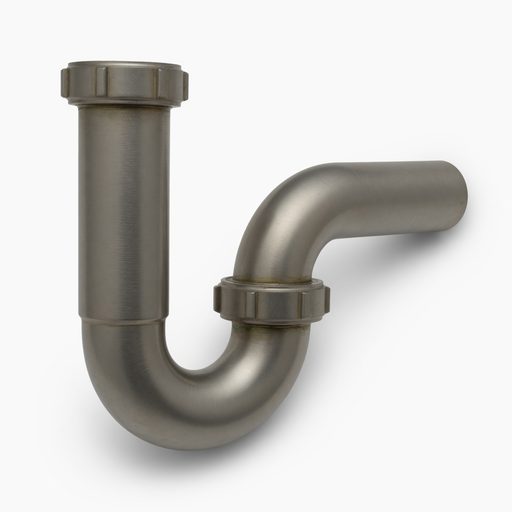
This is the cause manufacturers tie most directly to the wet-dog description. KitchenAid says a sewage or wet dog smell can point to a drainage problem, and that a hose without a proper high loop or air gap can let wastewater flow back into the dishwasher; Maytag's guide uses the same sewage-or-wet-dog wording for drainage problems12. The dishwasher's drain hose runs to the sink drain or the disposal under the sink4. Whirlpool says the hose should loop up at least 20 inches above the floor, and that the loop prevents siphoning, where water is drawn back into the dishwasher by pressure changes, so dirty sink or plumbing water does not contaminate the clean water inside; if the loop sits lower, use an air gap34. GE lists checking for a proper high loop or air gap among its odor fixes6. A bent hose causes the same backflow from the other side: Bosch says that if the hose is kinked or bent, the waste water will not be pumped away and will flow back into the dishwasher, and KitchenAid adds crushed or sagging hoses and clogs to the list19.
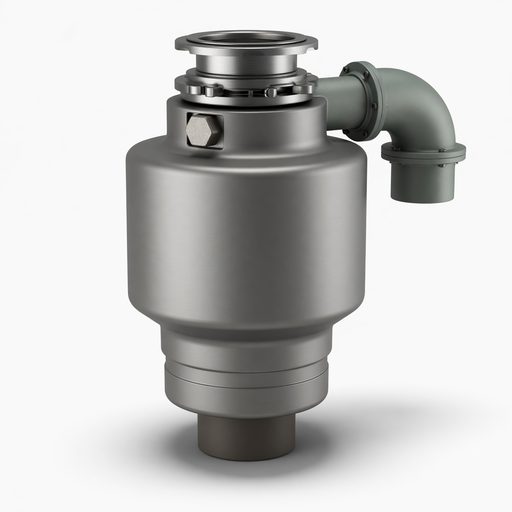
When the dishwasher drains through the sink or a garbage disposal, their condition becomes the dishwasher's. Samsung says that if the odor persists after you clean the dishwasher, it may come from the connected sink, and the sink drain or garbage disposal will need to be cleaned; Whirlpool's fix is to check for food or obstructions in the drain or disposer and run the disposer to clear it57. A clogged sink drain can also keep the dishwasher from emptying, and GE says to check that drain to be sure water is leaving properly6. One version is specific to a new install. InSinkErator's installation steps say that if you are using a dishwasher, you need to tap out the dishwasher knockout plug and then remove the loose plug from inside the disposal11. Whirlpool and KitchenAid both tell you to make sure that plug has been removed from the disposal inlet when a dishwasher holds water, and Whirlpool's check is to push a pencil into the inlet with the power and hose disconnected: if it goes in about 3 inches, the plug is out14.
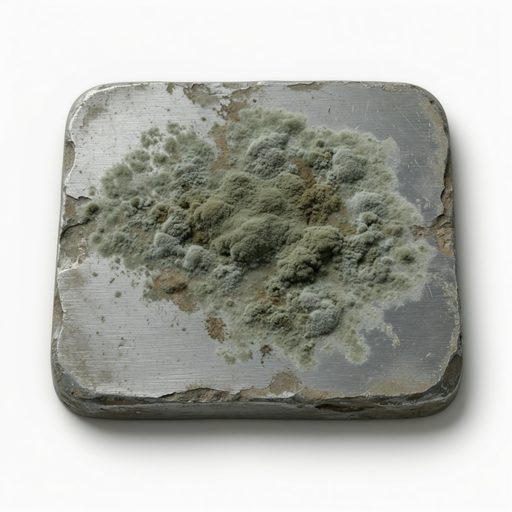
Samsung's explanation is short: mold and mildew need moisture, warmth and food particles, and an unclean dishwasher supplies all three, with a small amount of moisture and warmth often left after a cycle7. The rubber door gasket and the bottom edge where the door meets the tub stay damp longest. KitchenAid ties a slimy feel or dark residue to a musty smell and says to clean the gasket seals and leave the door slightly ajar; Maytag lists a moldy door gasket as its own cause12. Researchers who sampled biofilms from the rubber seals of 24 household dishwashers found the bacteria Pseudomonas, Escherichia and Acinetobacter in most samples and Candida yeasts in every machine, and found that the machine's age, how often it ran and the hardness of the incoming water shaped what grew13. That study did not measure odor; it does show the seal is where the growth lives.
A half-full dishwasher waiting for a full load is a warm, damp box of food. Samsung says dishes stored in it while you wait for a full load will most likely start to smell, and the odor can linger after cleaning; Whirlpool lists dishes not washed frequently among the sources of spoiled-food smells57. Protein residue seems to matter. In a 2023 thread on the Automatic Washer forum, the original poster reported a wet-dog smell on glasses that appeared only when something with egg on it went in unrinsed, once from a single knife used for egg salad; other members reported the same after tuna salad, fish, raw chicken and turkey, while several said they had never noticed it15. That is what people report, not tested data. The manufacturer fix is the same either way: scrape dishes before loading, and if you don't run the dishwasher daily, run a rinse cycle on the partial load157.
Dishwasher detergent is designed around hot water. GE says water entering the dishwasher should be at least 120 °F (49 °C) and no more than 150 °F (66 °C), and that water below 120 °F can prevent automatic dishwasher detergent enzymes and tablets from fully dissolving; Samsung gives 120–149 °F as the water heater setting67. Cascade says no lower than 120 °F14. The first water out of the pipe is often the cold water sitting in it, which is why GE says to run the kitchen hot tap for 15 to 30 seconds immediately before starting a cycle, and Cascade says to run the faucet closest to the dishwasher to clear the cooler water614. Detergent handling counts too: Cascade says to load it into a dry cup just before starting and keep large items and handles from blocking the dispenser, and GE says to use only automatic dishwasher detergent, never hand dish soap614. Rinse aid is a drying aid; none of the manufacturer pages we read names skipping it as an odor cause614.
How to Fix It
Clean the filter, sump and spray arms
$0Start here for any dishwasher smell; every manufacturer odor guide we read puts the filter on its list.
- 1Check your owner's manual for which filter you have and how it comes out. Consumer Reports notes some filters are self-cleaning, and KitchenAid says maintenance-free filters are unlikely to cause smells112.
- 2Pull out the bottom rack and remove the filter from the floor of the tub; on some LG models you turn it counterclockwise and gently pull up810.
- 3Rinse it under running water, then soak it in warm, soapy water and scrub stuck particles with a soft-bristled brush18. LG says not to use excessive force when you wash it10.
- 4While it's out, clean the drain area and filter housing with warm, soapy water, and look for paper or other objects blocking the sump at the rear of the tub67.
- 5Check the spray arms: run each under water to see whether any holes are blocked, and clear them with a toothpick or another thin, pointed object78.
- 6Reseat the filter exactly as it came out. LG says improper installation prevents the filter from collecting debris and lowers washing performance10.
- 7Repeat on a schedule. Whirlpool says at least once a month; KitchenAid says every three to six months on average; Bosch and Consumer Reports just say regularly or periodically15812.
Scrub the door gasket, then run an empty cleaning cycle
VariesUse this when the filter is clean but the tub still smells musty or the gasket feels slimy.
- 1Clean the rubber door gasket with a sponge and warm, soapy water, or a cloth dampened with white vinegar, then wipe it dry with a clean rag27.
- 2Wash the bottom of the door and the edge where it meets the tub, where KitchenAid says leftover food collects17.
- 3Run an empty cycle with one cleaning agent: a dishwasher cleaner such as an affresh tablet in the detergent dispenser on a Normal cycle, or two cups of white vinegar in an upright dishwasher-safe container on the bottom rack with no detergent and the heated dry off12. Bosch runs its own cleaner on the hottest, longest cycle8.
- 4Don't mix agents. Samsung says never use detergent and vinegar together, and GE says never to use chlorine bleach in a stainless-steel tub because it will permanently corrode the metal67.
- 5Don't make vinegar a weekly habit: Maytag says frequent use, being acidic, could potentially harm your dishwasher2. Amounts also differ by brand; GE's odor tip is one cup on the upper rack and Samsung's is 8 ounces on the bottom rack, so follow your maker's figure67.
- 6Leave the door slightly ajar afterward, for a few hours after each cycle or whenever it's not in use17.
- 7Repeat with a cleaner about every 30 days, per KitchenAid; Bosch says a few times a year, and Bosch UK a maintenance wash every 4 to 6 months depending on use189.
Get the wash water to 120 °F and the detergent dissolving
$0Use this if the hot tap runs cold for a while, detergent comes out undissolved, or the smell sits on the dishes rather than in the tub.
- 1Test the water. GE's method is to run the hot faucet nearest the dishwasher into a glass for one minute and check it; water entering the dishwasher should be at least 120 °F (49 °C) and no more than 150 °F (66 °C)6.
- 2If the tap takes more than a few seconds or a minute to run hot, check the water heater; Samsung says it should be set to 120–149 °F, and if it already is and the water still isn't hot, contact a plumber7.
- 3Right before each cycle, run the kitchen hot tap for 15 to 30 seconds so the first fill isn't the cold water sitting in the pipe614.
- 4Use only automatic dishwasher detergent, never liquid hand dish soap, and dose it to the label for your water hardness614.
- 5Load detergent into a dry cup just before you start, and keep tall items and handles from blocking the dispenser or the spray arms14.
- 6Keep rinse aid topped up; GE says it makes water sheet off so dishes dry, and Cascade says to refill the dispenser monthly. No source we read ties rinse aid to odor directly614.
- 7Scrape plates before loading, and if you won't run the machine today, run a rinse cycle on the partial load157.
Fix the drain path: high loop, air gap, disposal, knockout plug
VariesUse this when the smell is sewer-like or wet dog, comes back after cleaning, or water sits in the tub after a cycle.
- 1Run a Normal cycle and check the bottom afterward. A small amount of water around the filter is normal; an inch or more pooled in the tub can indicate a clog17.
- 2Run the garbage disposal to clear it and clean the sink drain; Samsung says a smell that persists after you clean the dishwasher can come from the connected sink or disposal57.
- 3Look under the sink. The drain hose should arch up and be secured near the top of the cabinet or the underside of the countertop, at least 20 inches above the floor; if it runs flat or slopes down, pull the excess up and secure it with a bracket or zip tie34.
- 4If the hose runs through an air gap instead, remove the air gap's cap following its manufacturer's instructions and clear any blockage; Maytag lists the air gap cylinder as a place to check for clogs24.
- 5New disposal? Disconnect power and the drain hose, catch the water in a bucket, and push a pencil into the disposal's dishwasher inlet; if it goes in about 3 inches, the knockout plug is out4. If it isn't, the plug has to be tapped out and the loose piece removed from inside the disposal, per InSinkErator's installation steps11.
- 6Straighten any kinked or bent section of hose, and replace a damaged one19.
- 7If water still pools or the hose itself is clogged, stop deodorizing. KitchenAid says a clogged drain hose should be diagnosed and repaired by a professional, and deodorizing won't fix a drain blockage1.
When to Call a Professional
An inch or more of water left in the tub after a cycle, even with a clean filter and a cleared disposal: KitchenAid says that can indicate a clog, that a clogged drain hose should be diagnosed and repaired by a professional, and that deodorizing won't fix a drain blockage1.
A sewage or wet-dog smell that returns after you've cleaned the filter, gasket and tub: Maytag says it can point to a drainage problem that may need professional inspection, and lists its customer care line as 800-344-12742.
The smell persists after you clean the sink drain or disposal: Samsung says to contact a plumber before cleaning the dishwasher again7.
Water stains or damp flooring behind the lower access panel: KitchenAid uses that check to spot leaks, says deodorizing won't fix a leak, and says to contact a professional1.
How to Prevent It
Clean a manual filter on a schedule, at least monthly by Whirlpool's guidance or every three to six months by KitchenAid's; it catches food every cycle158.
Leave the door slightly ajar between loads, or let an auto-open model do it, so the gasket and tub dry instead of staying warm and damp17.
Run a dishwasher cleaner about every 30 days by KitchenAid's guidance, or a few times a year on the hottest, longest cycle by Bosch's, to clear greasy residue18.
Scrape plates before loading, and run a rinse cycle on a partial load when the machine won't run that day, so food doesn't sit and spoil157.
Frequently Asked Questions
If the smell is on the dishes rather than in the empty tub, look at what went in and how hot the water was. Forum users report a wet-dog smell on glasses after an unrinsed egg dish, tuna, fish or raw poultry, gone again on the next load; that is anecdotal, not tested15. GE says water below 120 °F can keep detergent enzymes and tablets from fully dissolving, so run the hot tap first6. If the tub itself smells, start with the filter and the drain hose12.
None of the manufacturers we read treats the smell as a safety hazard; they treat it as a cleaning or drainage problem127. A study of biofilms from the rubber seals of 24 home dishwashers found genera that include opportunistic pathogens, and its authors say dishwashers can be a source of domestic cross-contamination13. That study did not measure odor or illness. Cleaning the gasket and drying the tub with the door ajar targets the spot it sampled113.
Vinegar is a manufacturer-approved deodorizing rinse, but it won't fix a clogged filter or a backflowing hose. KitchenAid and Maytag say two cups of white vinegar in a dishwasher-safe container on the bottom rack, normal cycle, no detergent; GE's odor tip is one cup on the upper rack126. Samsung says never use detergent and vinegar together, and Maytag says frequent vinegar use could harm the dishwasher27. None of the manufacturer pages we read gives a baking soda method.
Not in a stainless-steel tub. GE says chlorine bleach will permanently corrode a stainless interior, and Samsung also says not to use bleach in one67. Samsung does list a chlorine-based detergent as one option for an empty cleaning cycle, so check your manual7. The route Whirlpool, KitchenAid and Bosch give is a dishwasher cleaner such as affresh or the maker's own158.
Sources disagree. Whirlpool says at least once a month, KitchenAid says every three to six months on average, and Bosch and Consumer Reports just say regularly15812. Consumer Reports notes some dishwashers have a self-cleaning filter, and KitchenAid says maintenance-free filters are unlikely to cause smells, so check the manual first112. If you can see food in it, clean it now.
Some new-machine smells are normal and fade: Whirlpool and KitchenAid say a plastic smell lasts about two weeks, a petroleum smell from the sound-deadening material 4 to 6 weeks, and a varnish smell from the motor about a month15. A wet-dog or sewage smell is different. If a disposal went in at the same time, check that its knockout plug was removed, and check that the drain hose has its high loop134.
Manufacturers use the labels loosely, but consistently: KitchenAid and Maytag link a sewage or wet dog smell to drainage problems and a fishy or rotten-food smell to a clogged filter or drain12. None of the sources we read identifies the compound behind a wet-dog note in a dishwasher, so treat the description as a pointer to check the drain path first, not a diagnosis.
Sources
Every factual claim above comes from one of these. Updated November 2026.
- Why does my dishwasher smell? Possible causes & fixes — KitchenAid
- 5 Possible Reasons Your Dishwasher Smells Bad — Maytag
- Checking the Drain Loop Height — Whirlpool Product Help
- Not Draining - Newly Installed - Dishwasher — Whirlpool Product Help
- Removing Odors in your Dishwasher — Whirlpool Product Help
- FAQs | Dishwashers — GE Appliances
- Samsung Dishwasher stinks or has a musty smell — Samsung US Support
- Dishwasher Troubleshooting: Dishwasher smells — Bosch Home Appliances (US)
- Dishwasher smells bad — Bosch Home Appliances (UK)
- LG Dishwasher - How To Clean The Filter — LG USA Support
- Installing a New Garbage Disposal — InSinkErator
- What Causes Those Bad Dishwasher Smells? (Jan. 30, 2016) — Consumer Reports
- Microbiomes in Dishwashers: Analysis of the Microbial Diversity and Putative Opportunistic Pathogens in Dishwasher Biofilm Communities (Raghupathi et al., Applied and Environmental Microbiology, 2018) — PubMed (NIH National Library of Medicine), PMID 29330184
- FAQs: How to Use Cascade Dishwasher Detergent — Cascade (Procter & Gamble)
- Dishwasher + Eggs = Wet Dog Smell (forum thread, January 2023) — Automatic Washer forum (automaticwasher.org; anecdotal reports, not tested advice)
Cite or link to this guide
Citation (APA)
Link (HTML)
Free to quote with a link back. Writers, teachers and landlords: the chart at Smells You Should Never Ignore is free to embed.
Related smells
Other guides in Food & Kitchen and smells that share a cause.