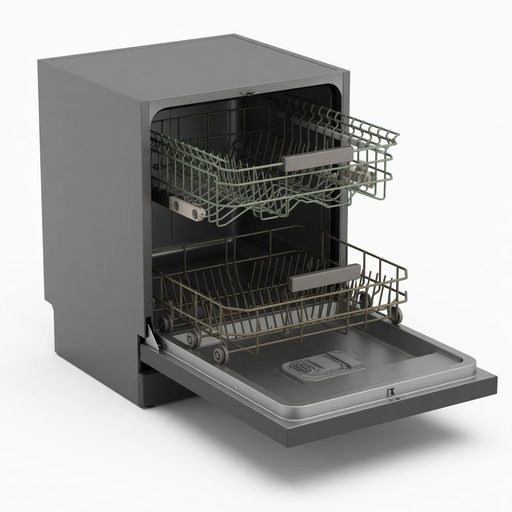
Most Likely Causes (Ranked)
Modern dishwashers have a manual-clean filter at the bottom that traps food particles to protect the drain pump. When neglected, trapped food decomposes anaerobically, producing hydrogen sulfide (rotten egg gas). Most people don't know this filter exists or needs monthly cleaning.
The rubber gasket that seals the dishwasher door traps food particles, moisture, and grease in its folds. Bacterial biofilm develops in these crevices and produces sulfur compounds. Folding back the gasket often reveals black slime and decomposing food.
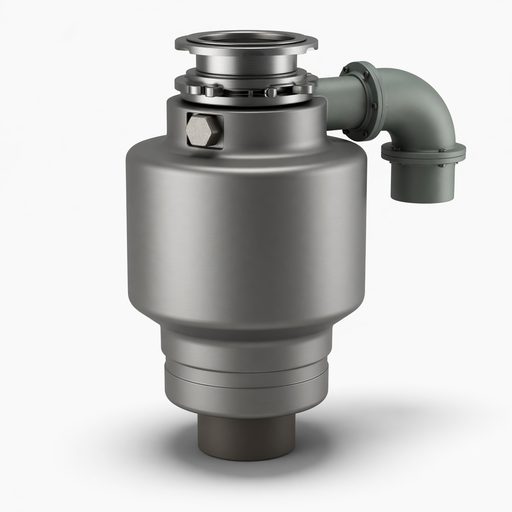
The drain hose connecting the dishwasher to the sink drain or garbage disposal can accumulate grease and food residue inside. If the hose doesn't have a proper high loop (it should rise to near counter height before descending), dirty water can backflow from the sink.
How to Fix It
Quick Fix
$0-15Start with the simplest solution.
- 1Identify the specific source based on smell characteristics.
- 2Clean, replace, or address the immediate cause.
- 3Ventilate or air out the affected area.
- 4Monitor for 24-48 hours.
Deep Clean or Treatment
$15-75When the quick fix isn't enough.
- 1Use specialized cleaning products appropriate for the source.
- 2Address hidden areas that may harbor the smell source.
- 3Apply preventive treatments to stop recurrence.
- 4Allow adequate drying and ventilation time.
Professional Assessment
$75-500+For persistent or concerning smells.
- 1Consult a professional if the smell persists after DIY attempts.
- 2They can identify hidden causes with specialized equipment.
- 3Follow their treatment and maintenance recommendations.
- 4Schedule follow-up if the problem has been chronic.
When to Call a Professional
Smell persists after thorough cleaning or treatment — hidden or serious source.
Accompanied by other symptoms — health issues, visible damage, or worsening conditions.
Sudden onset without obvious cause — warrants investigation.
How to Prevent It
Regular cleaning and maintenance — the best defense against odor problems.
Proper ventilation and moisture control — reduces bacterial and fungal growth.
Address issues early — small problems escalate if ignored.
Quick Guide
Start with the most common cause and work down the list. Most smell problems have a straightforward fix once you identify the source.
Prevention is always easier than remediation — regular maintenance eliminates most problems before they start.
Frequently Asked Questions
Most odors are unpleasant but not harmful. Exceptions include gas leaks, certain chemical smells, and signs of infection — these need prompt attention.
Most quick fixes work within minutes to hours. Deeper issues may take a few days of treatment.
If you address the root cause and maintain prevention habits, most smells won't return. Without addressing the cause, they always come back.
If DIY methods don't work after 2 attempts, if the smell indicates a safety concern, or if you can't identify the source.