Common Causes (Ranked by Likelihood)
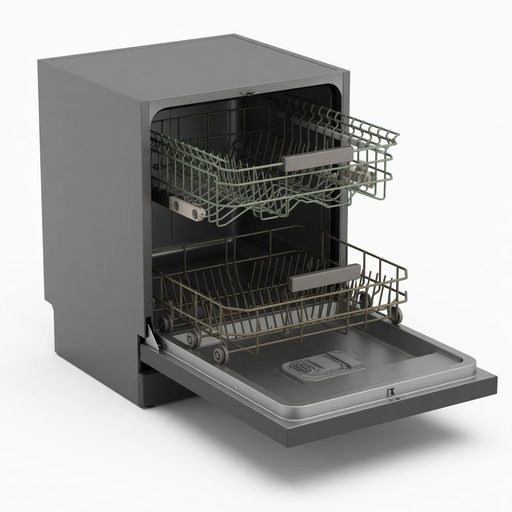
Modern dishwashers (since ~2010) use a manual-clean filter rather than a self-cleaning grinder. This mesh basket at the tub floor catches food particles — if never cleaned, it fills with decomposing food producing persistent rotten or sulfurous smells. Most people never know it exists. Filters should be cleaned monthly.

Below the filter is the sump — a basin where water collects before being pumped out. Grease, food, and detergent residue accumulate here. Bacteria thrive in this warm environment producing sulfurous and putrid odors. The drain hose itself can develop biofilm. Even a clean filter allows some material through to the sump over time.
The rubber door gasket has folds that stay perpetually moist — perfect for mold and mildew. Food particles, grease, and detergent residue accumulate in the folds. The smell from a moldy gasket is characteristically musty or mildew-like. Wiping the front face doesn't clean the inside of the folds.
Dishwashers should drain completely after each cycle, but standing water occurs from: a clogged drain filter, kinked drain hose, clogged garbage disposal connection, or failing drain pump. This standing water becomes increasingly malodorous as food particles decompose. A small amount under half an inch is normal — a deeper pool is a problem.
In hard water areas, calcium and magnesium deposit on the tub walls, heating element, and spray arms. Scale creates rough surfaces that trap food particles more effectively. The heating element can bake food residue into an acrid smell during drying. The combination of scale and trapped food creates a musty-stale odor.
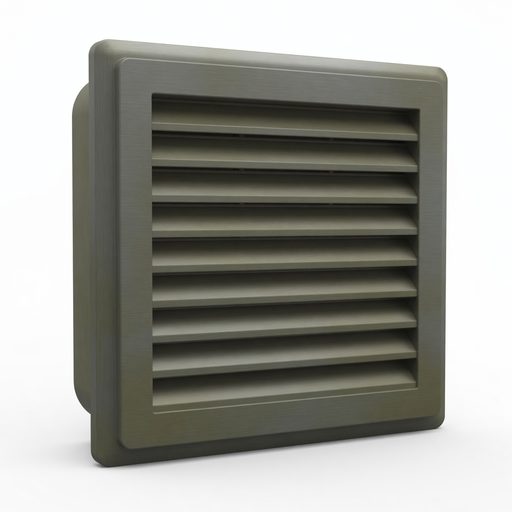
Dishwashers unused for several days develop condensation odors as the interior stays damp. Some dishwashers have a vent in the door — if blocked, moisture stays trapped and mold grows. Leaving the door slightly ajar prevents this.
How to Fix It
Clean the Filter
$0The single most impactful fix for most dishwasher odors.
- 1Remove the bottom rack. Locate the filter — usually a cylindrical mesh basket in the center-back of the tub floor. Twist counterclockwise and lift out.
- 2Rinse under hot running water, scrubbing the mesh with a soft brush or old toothbrush to remove trapped food particles.
- 3For heavily soiled filters, soak in hot soapy water for 10 minutes before scrubbing.
- 4Also clean the flat mesh filter plate surrounding the cylindrical filter — food collects under its edges.
- 5Replace and run a normal cycle. Clean the filter monthly going forward.
Deep Clean the Interior
$0-10For the drain, sump, spray arms, and tub walls.
- 1Pour 2 cups of white vinegar in a bowl on the bottom rack. Run a full hot cycle — vinegar circulates through the system dissolving grease and killing bacteria.
- 2After the vinegar cycle, sprinkle 1 cup of baking soda on the tub floor and run a short hot cycle to deodorize.
- 3Wipe the bottom of the tub and sump area with a vinegar-dampened cloth to remove remaining residue.
- 4Remove the spray arms (usually unscrew or pop off) and rinse, using a toothpick to clear clogged holes.
- 5Inspect the drain at the back — remove any visible debris with a paper towel.
Clean the Door Gasket
$0-5For musty/mildew smells near the door.
- 1Mix 1 tablespoon of bleach in 1 quart of warm water.
- 2Use a toothbrush or cotton swab to scrub inside every fold of the gasket — front face, inner folds, and underside. Pull the gasket slightly back to access deepest areas.
- 3Wipe clean with a damp cloth and dry thoroughly.
- 4Apply a thin layer of petroleum jelly to the clean gasket — keeps rubber supple and inhibits future mold growth.
- 5Also wipe down the door interior panel, which collects splash residue.
Fix Standing Water
$0-150If water pools in the bottom after cycles.
- 1First clean the filter — a clogged filter is the most common cause of standing water.
- 2Check the drain hose connection at the garbage disposal. The knockout plug must be removed from a new disposal for the dishwasher to drain.
- 3Inspect the drain hose for kinks — runs from under the dishwasher to the disposal or sink drain.
- 4Run the garbage disposal before starting the dishwasher — food in the disposal can back up into the drain hose.
- 5If standing water persists after these steps, the drain pump may be failing — requires appliance service ($80-150).
When to Call a Professional
Standing water after every cycle despite cleaning the filter — drain pump may be failing; call appliance repair.
Burning or electrical smell from the dishwasher — turn off and unplug; call a technician.
Sewer gas smell that intensifies when other drains are used — drain connection issue (high loop or air gap required); call a plumber.
Persistent smell after thorough cleaning with replacement gasket — internal mold in door panel or frame; may require technician assessment.
How to Prevent It
Clean the filter monthly — 2 minutes prevents the most common cause of odor.
Leave the door slightly ajar between uses — allows the interior to dry completely, preventing mold.
Scrape dishes before loading to remove large food pieces.
Run a vinegar cycle monthly — keeps mineral deposits and biofilm from building up.
Replace the door gasket every 3-5 years — rubber degrades and becomes permanently mold-hospitable.
Use the right amount of detergent — too much creates residue; too little leaves food particles.
Why Your Dishwasher Cleans Dishes but Smells Bad Itself
Wash water sprays dishes clean then drains — but doesn't scrub internal surfaces. The filter passively catches food but the wash cycle never cleans the filter, sump, or gasket. These areas accumulate food debris cycle after cycle until manually cleaned.
The filter is the biggest revelation: modern dishwashers replaced noisy self-cleaning grinders with silent manual-clean mesh filters around 2010. Millions of people have never cleaned their filter because they didn't know it exists or needs cleaning. A filter full of weeks of decomposing food is the most common dishwasher odor culprit by a wide margin.
The monthly routine that prevents nearly all dishwasher odors takes 10 minutes: remove and scrub the filter, wipe the door gasket interior, run a vinegar cycle. Almost every persistent dishwasher smell traces back to skipping these steps.
Frequently Asked Questions
A rotten egg (sulfurous) smell is caused by sulfur-producing bacteria decomposing food in the filter or drain area. Clean the filter thoroughly and run a hot vinegar cycle. The bacteria produce hydrogen sulfide gas — the same as drain bacteria. If the smell returns rapidly, the filter needs more frequent cleaning.
Three areas are frequently missed: (1) the filter — make sure you actually removed and scrubbed it; (2) the door gasket interior folds — surface wiping doesn't reach the mold inside; (3) the drain hose — internal biofilm that cleaning the tub doesn't address. Try a commercial cleaner like Affresh formulated to reach the drain system.
Clean the filter (2 minutes), wipe gasket folds with bleach solution, then run a full hot cycle with 2 cups of white vinegar in a bowl on the bottom rack. This typically resolves the smell in one treatment.
Yes — a smelly dishwasher won't contaminate your dishes. The smell comes from non-dish-contacting areas. Dishes are exposed to hot water and detergent during the cycle which disinfects them. But clean the dishwasher — the material will produce worse smells and could eventually affect drain function.