Common Causes (Ranked by Likelihood)

During the day, doors open and close, windows may be cracked, and air moves through the house. At night, everything closes up. Odor molecules that were diluted by fresh air exchange during the day now accumulate in the sealed space. HVAC systems may also switch to nighttime settings with less airflow. The concentration of odor compounds rises steadily throughout the night.
As outdoor temperature drops at night, indoor air also cools slightly. Cool air is denser and sinks, concentrating odor molecules at the level where you breathe (especially when lying in bed). Additionally, some materials release more VOCs as they cool (a phenomenon called thermal desorption), and humidity often rises at night, which intensifies many odors — especially musty and mold-related smells.
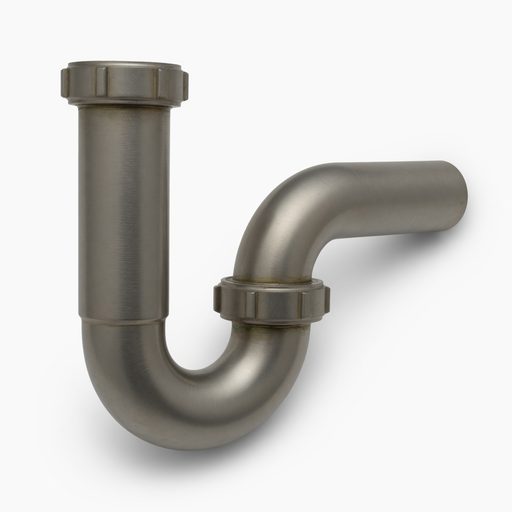
P-traps in rarely-used drains (guest bathroom, basement floor drain, laundry) evaporate during the day when the house is warmer. By nighttime, the water seal may be low enough to allow sewer gas through. The sealed-up house then traps this gas instead of diluting it with fresh air as would happen during the day.

Nocturnal animals are most active between dusk and dawn. Skunks forage and spray at night. Rats and mice are most active after dark, and their urine and droppings produce ammonia-like odors. Raccoons in attics or crawlspaces are noisier and smellier at night. If animals are living in or near your home, their activity patterns align with when you notice the smell.
Your nose adapts to constant smells — after 15-20 minutes of exposure, you stop noticing them (olfactory fatigue). During the day when you're moving around the house, your nose adapts to ambient odors. When you leave and come back (returning home in the evening) or wake up after sleep (which resets adaptation), the smell hits you fresh. The smell didn't get worse — your sensitivity to it reset.
How to Fix It
Improve Nighttime Ventilation
$0-50The simplest and most effective approach.
- 1Crack a window in 2+ rooms to create cross-ventilation, even just an inch.
- 2Run bathroom exhaust fans on a timer for 15 minutes every few hours overnight.
- 3Set your HVAC fan to 'ON' instead of 'AUTO' — this keeps air circulating even when not actively heating/cooling.
- 4Use a standalone air purifier with activated carbon filter in the most affected room ($100-300).
Prime All Drains
$0For sewer gas causes — takes 60 seconds.
- 1Pour water down every drain in the house — especially rarely-used ones (guest bath, basement, laundry room).
- 2Add 2 tablespoons of mineral oil after the water — it floats on the water and prevents evaporation.
- 3Do this monthly as maintenance.
- 4Check that all toilet bases are tight and not rocking (broken wax seal = sewer gas).
Investigate and Address the Source
VariesFor persistent nighttime odor with a specific character.
- 1Use your nose systematically: walk through the house at night when the smell is strongest and try to identify the strongest area.
- 2Check for dead animals: inspect crawlspace, attic, and behind appliances with a flashlight.
- 3For musty smells: check for moisture issues — use a humidity monitor ($10-15). Indoor humidity above 60% encourages mold.
- 4For animal activity: inspect the exterior at dusk for entry points. Look for droppings in attic/crawlspace.
When to Call a Professional
Sulfur/rotten egg smell at night — check gas appliances and drains. Rule out gas leak first.
Smell making anyone feel unwell (headaches, nausea, dizziness) — could indicate CO, sewer gas, or mold exposure. Ventilate and investigate.
New, strong, worsening smell — possible dead animal in walls or crawlspace. Will peak in 1-2 weeks then gradually fade.
Musty smell worse at night with visible moisture — could indicate a water intrusion or mold problem that needs professional assessment.
How to Prevent It
Run water down all drains monthly — the single best prevention for nighttime sewer gas smell.
Maintain slight ventilation at night — even a cracked window makes a significant difference.
Seal exterior entry points — prevents animals from entering walls, attic, and crawlspace.
Keep indoor humidity between 30-50% — prevents mold and reduces odor intensity.
Run HVAC fan continuously — circulating air prevents odor concentration in any one area.
The Science of Nighttime Odor Intensification
Several physical and biological factors converge to make smells more noticeable at night. First, temperature inversions: as the ground and lower atmosphere cool faster than upper air, a stable layer forms that traps odors near ground level rather than allowing them to rise and disperse. This is the same phenomenon that makes outdoor smells (BBQ, manure, industrial odors) travel farther at night.
Indoors, the effect is similar but driven by different mechanisms. Closing the building envelope eliminates the air exchanges that dilute odors during the day. A typical home exchanges its entire air volume 0.5-1.5 times per hour with windows and doors operating normally. At night with everything sealed, this can drop to 0.1-0.3 exchanges per hour — meaning odors accumulate 3-5x more than during the day.
Humidity also plays a role. Relative humidity typically rises at night as temperatures drop. Water molecules in humid air carry odor compounds more efficiently to your olfactory receptors (this is why you can 'smell rain coming'). Musty and mold-related odors are especially amplified by humidity because the fungal organisms that produce them are more active in moist conditions.
Frequently Asked Questions
Olfactory adaptation. Your nose adapts to constant smells within 15-20 minutes. When you're away and return, your sensitivity resets and you notice the ambient smell fresh. The smell hasn't changed — your perception has. This is actually useful: it lets you smell what visitors smell.
Most likely a dried-out P-trap in a rarely-used drain. During the day, air movement dilutes the sewer gas. At night with the house sealed, it concentrates. Pour water (plus a tablespoon of mineral oil) down every drain, especially in the basement and guest bathrooms.
Yes. Higher humidity means more water molecules in the air to carry odor compounds to your nose. Musty, mold, and organic smells are especially amplified by humidity. Keeping indoor humidity between 30-50% with a dehumidifier significantly reduces odor intensity.
You've been in a sealed room for 8 hours breathing, sweating, and off-gassing. Body odor, breath, and moisture accumulate. The average person produces 200-500ml of sweat per night. Crack a window, wash bedding weekly, and air out pillows regularly to improve morning bedroom air quality.