Most Likely Causes (Ranked)
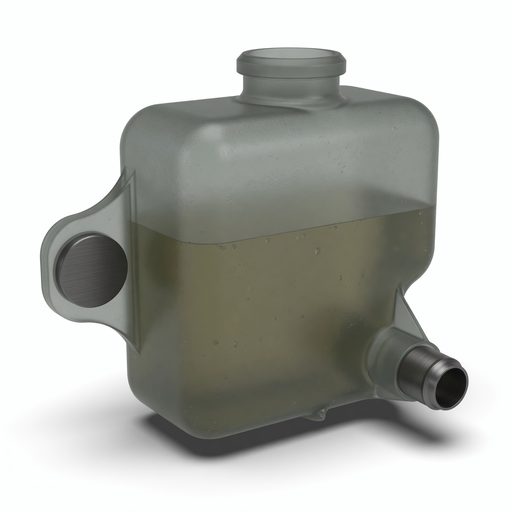
Car radiators circulate coolant (antifreeze — a mixture of water and ethylene or propylene glycol) through the engine to regulate temperature. When the radiator, a hose, a hose clamp, or a coolant fitting develops a leak, coolant drips onto hot engine surfaces like the exhaust manifold, catalytic converter, or engine block and burns. Burning coolant produces a distinctive sweet, slightly syrupy smell — often described as smelling like burnt maple syrup or candy. This smell may be accompanied by steam rising from the engine bay and a rising temperature gauge. Coolant leaks, even small ones, can lead to rapid engine overheating and serious engine damage if not addressed.
Hot water, steam, and electric radiators that have been idle for months collect dust on their surfaces. When the heat first comes on in fall or winter, this accumulated dust burns off — producing a short-lived dusty, slightly burning smell that's harmless and temporary. Most people have experienced this with forced-air systems (the first-heat burning smell), and it's the same phenomenon with radiators. The smell should dissipate within 30-60 minutes of the first heating cycle. If it persists beyond that or returns regularly, the cause is something else.
Home radiators get very hot — cast iron steam radiators can reach 200°F or higher, and baseboard hot-water radiators can reach 150-180°F. Anything too close can overheat or ignite. Clothing draped over a radiator, toys or paper left against one, furniture pushed too close, or even dust-collecting curtains hung near a radiator can produce burning smells — sometimes quite strong — that are easy to overlook as a cause.
Radiators that have been recently painted with regular latex or acrylic paint will produce a strong smell when heated. Latex and acrylic paints are not designed for high-temperature surfaces and begin to off-gas and degrade when heated above 150°F. If someone has painted a radiator with regular house paint, the result is a persistent burning paint smell every time the heat runs. Only high-temperature radiator paint or oil-based paint rated for high temperatures should be used on radiators.
Electric radiators (oil-filled panel heaters or electric baseboard heaters) can develop electrical problems — failing heating elements, damaged wiring, or deteriorating insulation — that produce a burning plastic or acrid electrical smell. This type of smell is distinct from dust burning off: it's sharper, more chemical or plastic-like, and may be accompanied by discoloration near electrical connections or a tripping circuit breaker. Any burning smell from an electric heater that persists beyond the first few minutes of operation warrants immediate investigation.
How to Fix It
For Car Radiator Coolant Leak
$20 DIY inspection / $150-500 leak repairA sweet smell from the engine bay requires immediate investigation.
- 1Allow the engine to cool completely (minimum 30 minutes after shutdown) before opening the hood — pressurized hot coolant is dangerous.
- 2Check the coolant overflow reservoir level. If it's below minimum, there's a leak somewhere in the system.
- 3Visually inspect radiator hoses for cracks, softness, or seeping at clamp connections.
- 4Look for white, pinkish, or crystalline residue on surfaces near hose connections — this is dried coolant and marks the leak location.
- 5Check the radiator itself for signs of seepage, corrosion, or damage.
- 6A mechanic can pressure test the cooling system ($50-100) to find any leak not visible to the naked eye.
- 7Do not drive the car if the temperature gauge is above normal — overheating causes catastrophic engine damage very quickly. Have it towed if in doubt.
Clean Home Radiator Before Heating Season
FreePrevents the first-use dust smell and improves efficiency.
- 1Before the first use of the season, vacuum radiator fins and surfaces with a brush attachment.
- 2For cast iron radiators: wipe down with a slightly damp cloth, getting between fins and in crevices.
- 3For baseboard radiators: remove the front cover and vacuum the fins inside.
- 4For electric radiators: wipe external surfaces clean; don't spray liquids inside.
- 5After cleaning, run the heat for 20-30 minutes with good ventilation the first time — any residual dust will burn off quickly and the smell will clear.
Remove Objects Near Radiators and Use Correct Paint
Free / $15-30 for correct paintPrevent burning smells from contact and incompatible finishes.
- 1Clear a 12-inch clearance zone around all radiators — no furniture, curtains, clothing, paper, or toys.
- 2If a radiator was painted with regular paint: the off-gassing smell will eventually diminish over a season as the paint burns off. To accelerate: open windows and run the heat. To prevent future problems: repaint with high-temperature radiator enamel (available at hardware stores for $15-30).
- 3For new radiator painting: use oil-based paint or specialist radiator paint rated for temperatures over 200°F. Apply in thin coats and allow to fully cure before running the heat.
Investigate Electric Radiator Burning Smell
Free (inspection) / $50-200 (repair or replacement)Persistent electrical burning smell requires immediate action.
- 1Turn off and unplug the radiator immediately if the smell is acrid, sharp, or plastic-like.
- 2Inspect the cord, plug, and connection point for discoloration, melting, or burning marks.
- 3Check the circuit breaker — a tripping breaker indicates an electrical fault.
- 4Do not use an electric radiator that shows signs of electrical burning until it's been inspected by a qualified electrician.
- 5Replacement of a faulty electric radiator is often more cost-effective than repair for units more than 10 years old.
When to Call a Professional
Car temperature gauge is rising and you smell sweetness — pull over safely and turn off the engine. Don't drive further. Call for a tow. Overheating causes catastrophic engine damage within minutes.
Burning smell from electric radiator is persistent or acrid — turn it off immediately. Electrical fires can start within electrical appliances.
You see or smell burning curtains, fabric, or plastic near a home radiator — remove the material and check for damage. If any material has actually ignited, use a fire extinguisher or call 911.
How to Prevent It
Check car coolant level monthly — takes 10 seconds. Low coolant is an early warning of a leak before you smell burning.
Clean radiators before each heating season — prevents dust buildup that creates the first-use smell and maintains efficiency.
Keep clearance around radiators — establish a household habit of keeping items off and away from radiators.
Use correct paint on radiators — always use high-temperature radiator paint, never standard latex or acrylic wall paint.
Car Coolant Smell vs. Other Car Smells
The sweet, syrupy smell of burning coolant is one of the most distinctive and important car smells to recognize because the consequence of missing it — engine overheating — can result in a warped head, cracked engine block, or blown head gasket, all of which cost $1,000-8,000 to repair.
Coolant smell is sweet and slightly chemical — often compared to maple syrup or candy. It's distinct from burning oil (acrid, harsh, like burnt cooking oil), burning rubber (sharp and strong), or exhaust (bitter, sooty). If you smell something sweet from your car, check the temperature gauge immediately and pull over if it's above normal.
A coolant smell after parking (when the car is off and cooling down) sometimes indicates a small leak that pressurizes and seeps when hot. This can be caused by a pinhole in a hose, a loose clamp, or a slowly failing radiator seam. It's worth investigating even if the car isn't overheating yet.
Frequently Asked Questions
For home radiators: yes — a brief dusty burning smell at the first use of the heating season is completely normal. Accumulated dust on hot surfaces burns off within 20-60 minutes and doesn't return. For car radiators: any smell when the engine is running is worth investigating, especially anything sweet or syrupy that suggests coolant.
A metallic burning smell from a home radiator is often caused by dust or debris on the heating elements (for electric) or on cast iron surfaces (for steam/hot water radiators). Cleaning before the season prevents this. If the metallic smell persists after the first few heating cycles, check whether any material is making contact with the radiator surface, and for electric units, whether an internal component is failing.
Yes, you should investigate. A sweet smell after driving is almost always from burning coolant — either a small leak dripping onto hot exhaust components, or coolant burning from an internal leak (head gasket failure). Check the coolant level and inspect for visible leaks. If the level is low or you see steam, have the car inspected by a mechanic before driving further distances.
For home radiators: thorough cleaning before the season (vacuuming dust from all surfaces and between fins) eliminates the first-use smell and prevents it from recurring mid-season. For persistent smells that return with each use: check for objects near the radiator, verify correct paint was used, and for electric units, check for signs of electrical issues.