Common Causes (Ranked by Likelihood)
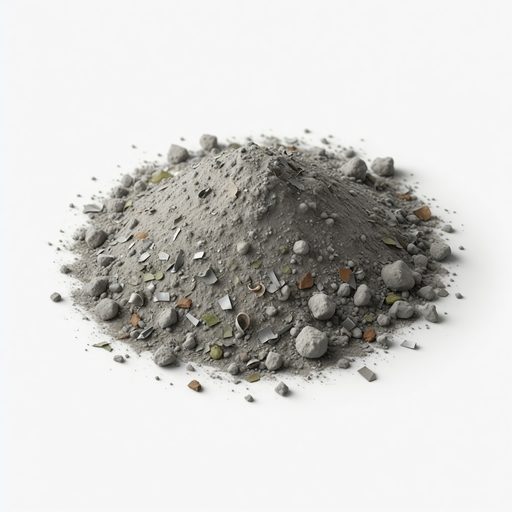
During months of disuse (spring/summer), dust, pet hair, and debris accumulate on the heat exchanger, burner assembly, and heating elements. When the heater first fires up, this material burns off, producing a distinctive dusty/burning smell. This is completely normal and affects virtually every heating system.
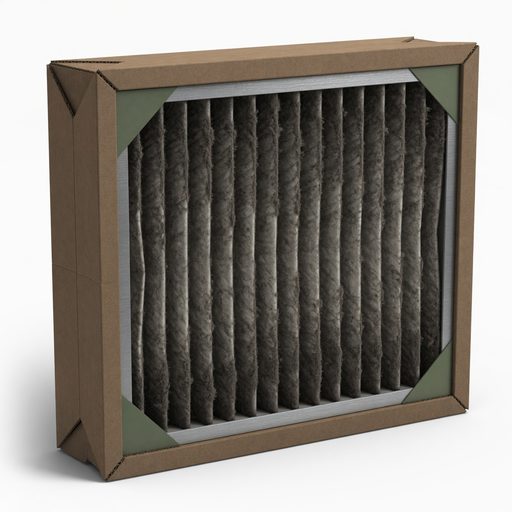
A clogged air filter restricts airflow, causing the heat exchanger or heating elements to overheat. The trapped dust and debris on the filter can also get hot enough to produce a burning smell. A severely clogged filter forces the system to work harder and can cause the high-limit safety switch to trip.
Items stored near or on top of the heater, inside air vents, or too close to baseboard heaters can heat up and produce a burning smell. Common culprits: toys, clothing, paper, plastic bags, and furniture placed too close to vents or registers. For space heaters, fabric or paper contact is a genuine fire hazard.
The blower motor, capacitor, or wiring in your heating system can overheat or fail, producing a burning electrical smell. A worn motor bearing creates friction heat. A failing capacitor can cause the motor to run hot. Damaged wiring insulation produces an acrid burning smell that's distinctly different from dust burning.
A cracked heat exchanger in a gas furnace allows combustion gases to mix with the air circulated through your home. This can produce a burning or chemical smell and, more critically, introduces carbon monoxide into your living space. Heat exchangers crack from thermal stress after 15-20 years of use.
How to Fix It
Change the Air Filter and Wait
$5-20Resolves the two most common causes.
- 1Change the air filter — if it's dark gray or visibly loaded, it's overdue. Use MERV 8-13 rated filters.
- 2Run the heater for 30-60 minutes with windows cracked — let the dust burn off.
- 3If the smell clears within 1-2 heating cycles, it was normal seasonal dust burn-off.
- 4Set a reminder to change filters every 1-3 months during heating season.
Inspect the Area Around the Heater
$0For foreign objects or blocked vents.
- 1Check all floor registers and vents — remove any items that fell inside.
- 2Clear a 3-foot radius around the furnace, water heater, and any space heaters.
- 3Inspect baseboard heaters for items in contact with the heating element.
- 4Ensure all return air vents are unblocked by furniture or curtains.
Call an HVAC Technician
$100-400For persistent smell, electrical odor, or suspected heat exchanger issue.
- 1If burning smell persists after the first 2 heating cycles with a clean filter, call a technician.
- 2Annual furnace maintenance ($100-200) includes inspection of motor, blower, electrical connections, and heat exchanger.
- 3Heat exchanger inspection is critical for furnaces over 15 years old — cracks require furnace replacement.
- 4If CO detector alarms, shut off the furnace immediately and call your gas company and an HVAC technician.
When to Call a Professional
Burning smell with CO detector alarm — shut off furnace, open windows, evacuate, and call your gas company.
Electrical/acrid smell persisting beyond 2 heating cycles — possible motor or wiring failure. Call HVAC tech.
Yellow or flickering furnace burner flame — should always be blue. Yellow means incomplete combustion and possible CO production.
Soot around the furnace — indicates combustion problems. Don't use until inspected.
How to Prevent It
Change air filters every 1-3 months during heating and cooling seasons.
Schedule annual furnace maintenance before heating season — usually September/October.
Keep the area around the furnace clear — 3 feet minimum clearance on all sides.
Install CO detectors on every floor and near bedrooms.
Run the furnace briefly in early fall with windows open to burn off dust before you need it.
Why the First-Run Burning Smell Happens Every Year
Even in a clean home, dust accumulation on heating system components during the off-season is inevitable. The heat exchanger (gas furnace) or heating element (electric furnace/heat pump) sits idle for 4-6 months. Fine dust particles settle on every surface — the burner assembly, heat exchanger fins, blower housing, and supply ductwork.
When the system fires up, the heat exchanger or element reaches 140-170°F (60-77°C) in a gas furnace, or up to 200°F+ (93°C+) in an electric furnace. This instantly vaporizes and combusts the thin layer of dust, dead skin cells, and pet dander that accumulated. The result is a brief, harmless burning smell that typically dissipates within 20-60 minutes.
You can minimize this by running the furnace briefly (for 10-15 minutes) in early fall with windows open, before you actually need heat. This burns off the dust accumulation in a ventilated environment. Also, having your annual furnace maintenance done before heating season includes cleaning the burner assembly and heat exchanger, which significantly reduces the first-run smell.
Frequently Asked Questions
A brief burning/dusty smell when you first turn on the heater each fall/winter is completely normal. It should dissipate within 30-60 minutes. If the smell persists beyond 1-2 heating cycles or smells electrical/chemical rather than dusty, have it inspected.
Burning plastic smell usually means something plastic is near a heat source — check vents and registers for toys, bags, or other items. If nothing is found, it could be a failing electrical component (wiring insulation or capacitor) inside the furnace. Call an HVAC tech.
Carbon monoxide itself is odorless, but a cracked heat exchanger that leaks CO may also produce burning or chemical smells from combustion byproducts mixing with circulated air. Always have working CO detectors — don't rely on smell alone to detect CO.
Annually, ideally in September or October before you need heat. A tune-up ($100-200) includes inspection of the heat exchanger, burner, electrical components, and safety devices. For furnaces over 15 years old, annual inspection is especially important.