Common Causes (Ranked by Likelihood)
Your furnace and HVAC equipment live in the basement. When a furnace first fires up for the season, it burns off accumulated dust, producing a brief burning smell — this is normal and resolves in 30–60 minutes. However, a persistent burning smell from the furnace points to a clogged air filter, overheated blower motor, or cracked heat exchanger, all of which need attention.
Basements often have older wiring, high electrical loads from appliances, and DIY electrical work. Overloaded circuits, loose connections, or aging insulation can cause wiring to overheat, producing a burning plastic or rubber smell that's easily mistaken for burning material. This is a serious fire hazard.
Sump pumps and well pumps have electric motors that can overheat or burn out. When the pump runs dry, runs continuously due to a float switch failure, or reaches end of life, the motor overheats and produces a burning electrical smell. This is often noticed during or after heavy rain.
Basements double as storage areas, and items pushed against the furnace, water heater, or electrical panel can get hot enough to scorch or smolder. Cardboard, paper, fabric, and wood are common culprits. This often happens when storage shifts or accumulates over time.
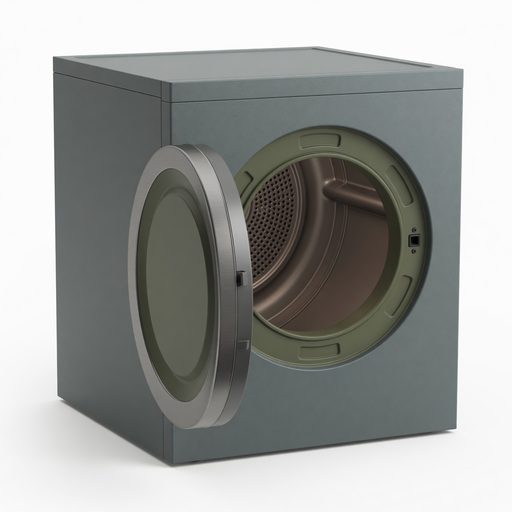
If your laundry is in the basement, a clogged dryer vent restricts airflow, causing the dryer to overheat. Lint buildup in the vent is the leading cause of dryer fires. The burning smell is often a hot, dusty, or fabric-like odor.
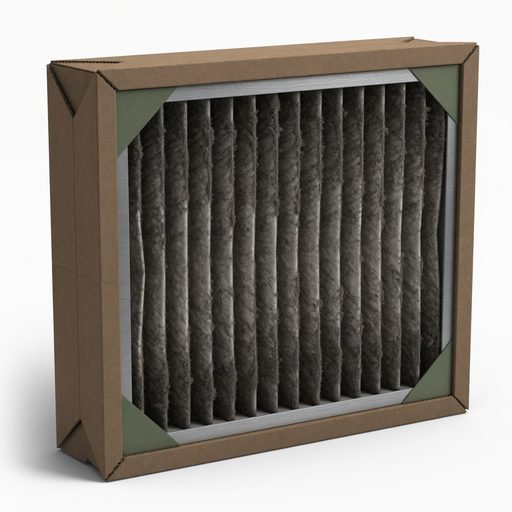
Rodents chew through electrical wire insulation. When the exposed wire heats up or arcs, it melts or burns the remaining insulation and any nesting material nearby. This can smolder for some time before becoming a visible fire.
How to Fix It
Replace Furnace Air Filter and Inspect
$5–$25 for filterA clogged filter is the most common fixable furnace issue. Always start here before calling a technician.
- 1Locate the furnace air filter — typically in a slot on the side or bottom of the furnace or in the return air duct.
- 2Check the filter — if it's gray, clogged, or you can't see light through it, replace it.
- 3Use a MERV 8–11 rated filter for a good balance of airflow and filtration.
- 4After replacing, run the furnace for 30 minutes — if burning smell persists, call an HVAC technician.
- 5If the smell is strong, persistent, or accompanied by carbon monoxide detector alarms, leave the house and call 911.
Inspect Electrical Panel and Outlets
Free to inspect | Electrician: $75–$200/hrTurn off the circuit breaker for any area where the burning smell is strongest as a precaution.
- 1Do not touch wiring yourself — this inspection is visual only.
- 2Check if any outlet covers are warm or discolored.
- 3Look for tripped breakers in the electrical panel.
- 4Smell each outlet cover from 6 inches away — an acrid or fishy smell near an outlet is a red flag.
- 5If you find evidence of overheating, turn off that circuit and call a licensed electrician.
- 6If you smell burning but can't locate the source, call an electrician for an inspection — don't wait.
Clear Space Around Heat Sources
FreeMaintain a 3-foot clearance around your furnace, water heater, and electrical panel at all times.
- 1Move all stored boxes, fabric, paper, and wood at least 3 feet from the furnace and water heater.
- 2Check behind and underneath appliances for items that may have been pushed too close.
- 3Inspect for any scorch marks on nearby surfaces.
- 4Install a smoke detector in the basement if you don't have one.
Clean the Dryer Vent
DIY: $15–$30 kit | Pro: $80–$150Dryer vents should be cleaned annually. A clogged vent is a leading cause of house fires.
- 1Disconnect the dryer from the power outlet.
- 2Pull the dryer away from the wall and disconnect the vent hose from the back.
- 3Use a dryer vent cleaning brush kit to clear lint from the hose and the wall duct.
- 4Go outside and clear any lint from the exterior vent cap.
- 5Reconnect everything and run the dryer on air-only for 10 minutes to check airflow.
When to Call a Professional
A burning electrical smell that you cannot locate is a fire emergency — call 911 if it's strong or accompanied by smoke.
Carbon monoxide from a cracked furnace heat exchanger is odorless but deadly — install a CO detector in the basement.
Dryer lint fires spread extremely fast — a clogged vent is not a minor issue.
Rodent-chewed wiring can smolder inside walls for hours before becoming a visible fire.
How to Prevent It
Replace furnace filters every 1–3 months and schedule annual furnace maintenance.
Install smoke and carbon monoxide detectors in the basement and test them monthly.
Clean your dryer vent at least once per year, more if you do heavy laundry.
Keep a 3-foot clearance around all heat-producing appliances at all times.
Have an electrician inspect basement wiring every 10 years, especially in older homes.
Seal gaps where pipes and wires enter the basement to prevent rodent entry.
Frequently Asked Questions
Not always — a brief dusty burning smell when you first run the furnace in fall is normal. But a persistent, acrid, electrical, or plastic-like burning smell is a warning sign that needs investigation right away.
Dust accumulates on furnace heat exchangers and burners over summer. When the heat first runs, it burns off this dust — producing a temporary burning smell that should clear within 30–60 minutes. If it persists longer, check or replace the air filter and consider an HVAC inspection.
Burning wiring often smells acrid, sharp, or distinctly fishy — not like burning wood or fabric. The fishy smell comes from overheating plastic insulation on wiring. If you smell this in your basement, treat it as a potential fire emergency.
Night is when furnaces often run more due to cooler temperatures. The smell at night likely points to the furnace — either seasonal dust burn-off or a clogged filter restricting airflow. It could also be the dryer if you do laundry in the evening.
Yes, if the smell is strong and you cannot immediately locate the source, if you see smoke, if your smoke or CO detector is alarming, or if the smell is electrical/acrid. It's better to call and have fire services confirm it's safe than to wait and have a small smolder become a house fire.