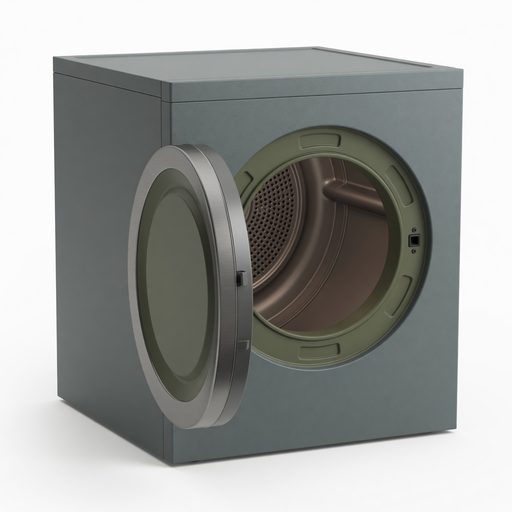
Common Causes (Ranked by Likelihood)
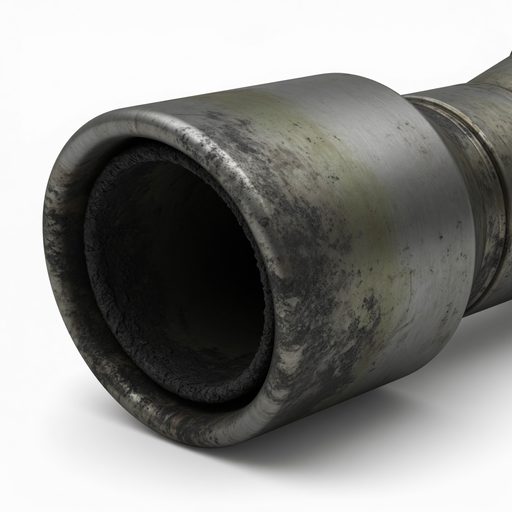
Lint accumulates in the exhaust vent, duct, and around the heating element over time. When enough lint collects near heat sources, it can smolder or ignite. Even if it doesn't catch fire, heated lint produces a distinct burning smell. The NFPA reports that failure to clean dryers is the leading cause of dryer fires.
The rubber belt that turns the drum wears thin over time. A worn belt slips against the drum and motor pulleys, creating friction that produces a burning rubber smell. Eventually the belt will snap completely and the drum will stop turning.
The thermostat regulates the dryer's temperature, and the thermal fuse is a safety device that shuts off heat if the temperature gets too high. When either fails, the dryer can overheat, scorching lint and fabric inside. This is a serious fire risk if not addressed.
Items like plastic pens, crayons, lighters, rubber bands, or fabric softener sheets can melt or burn when exposed to dryer heat. Small items sometimes get wedged between the drum and the dryer housing, producing a burning smell with each cycle.
The dryer motor can overheat due to worn bearings, blocked airflow (back to lint), or simply age. An overheating motor produces a distinct electrical/burning smell different from lint or rubber. Motors typically last 10-15 years.
How to Fix It
Clean the Lint Trap and Exhaust Vent
$0-30 (DIY) / $100-200 (pro)Should be done at least annually — most common fix.
- 1Clean the lint screen before EVERY load — also wash it with soap and water monthly (dryer sheet residue clogs the mesh).
- 2Disconnect the exhaust duct from the back of the dryer and vacuum it out with a shop vac or dryer vent brush kit ($15-25 on Amazon).
- 3Clean the full exhaust duct to the outside vent — use a dryer vent cleaning kit with flexible rods.
- 4Check that the outside vent flap opens freely and isn't blocked by debris, snow, or bird nests.
Replace the Drive Belt
$10-25 (part) / $150-250 (pro install)DIY-friendly repair if you're handy.
- 1Unplug the dryer. Remove the top panel and front panel (YouTube your specific model for instructions).
- 2Inspect the belt — if it's cracked, glazed, fraying, or stretched, replace it.
- 3Buy the exact replacement belt for your model number (usually $10-25).
- 4Loop the new belt around the drum and thread it through the motor pulley and idler pulley.
Call a Professional
$150-400For thermostat, motor, or any repair you're not comfortable with.
- 1If you suspect thermostat or thermal fuse failure (dryer overheating), don't run it until repaired.
- 2A technician can test the thermostat, thermal fuse, and heating element with a multimeter.
- 3Motor replacement costs $200-400 including labor — worth it if the dryer is less than 10 years old.
- 4For dryers over 12 years old, consider replacement rather than repair (new mid-range dryer: $500-800).
When to Call a Professional
Burning smell with visible smoke — turn off dryer immediately, unplug it, and call the fire department if smoke continues.
Dryer is extremely hot to the touch — thermostat may have failed. Stop using until repaired.
Burning smell persists after cleaning lint — could be a motor or wiring issue. Call a technician.
Scorched or brown marks on clothes — overheating is occurring. Don't use until inspected.
How to Prevent It
Clean the lint screen before every load — this is the single most important thing.
Have the exhaust vent professionally cleaned annually ($100-150).
Don't overload the dryer — restricted airflow causes overheating.
Use rigid metal ducting, not flexible foil or plastic hoses (these trap lint and are fire hazards).
Don't run the dryer when you leave the house or go to sleep.
Dryer Fire Statistics: Why This Matters
According to the National Fire Protection Association (NFPA), dryers cause an estimated 15,970 home structure fires per year in the United States. Of these, 27% — about 2,900 fires — are caused by lint, dust, and fiber buildup. These fires cause an average of 5 deaths, 100 injuries, and $200 million in property damage annually.
The risk is highest in fall and winter when dryers run more frequently. The leading factor in dryer fires is failure to clean — not mechanical failure. A clogged vent forces the dryer to work harder and run hotter, and the accumulated lint (which is highly flammable) is sitting right next to the heat source.
The fix is simple: clean your lint screen every load, and clean the full exhaust duct at least once a year. If your dryer takes more than one cycle to dry clothes, that's a warning sign that the vent is partially blocked.
Frequently Asked Questions
No. Stop using it until you identify the cause. A burning smell from a dryer is a potential fire hazard, especially if caused by lint buildup near the heating element. At minimum, clean the lint trap and exhaust vent before using it again.
New dryers often have a mild burning smell during the first few uses — this is manufacturing oils and coatings burning off the heating element. Run it empty for 20-30 minutes on high heat. If the smell persists after 3-4 cycles, contact the manufacturer.
Clean the lint screen before every load. Clean the full exhaust duct (from dryer to outside vent) at least once per year — more often if you do heavy laundry, have pets, or have a long duct run. Most vent cleaning services charge $100-150.
It's extremely rare but possible if there's a wiring fault. The main fire risk is during operation when heat and lint combine. As a precaution, unplug the dryer if you notice any burning smell, and have it inspected before using it again.