
Most Likely Causes (Ranked)
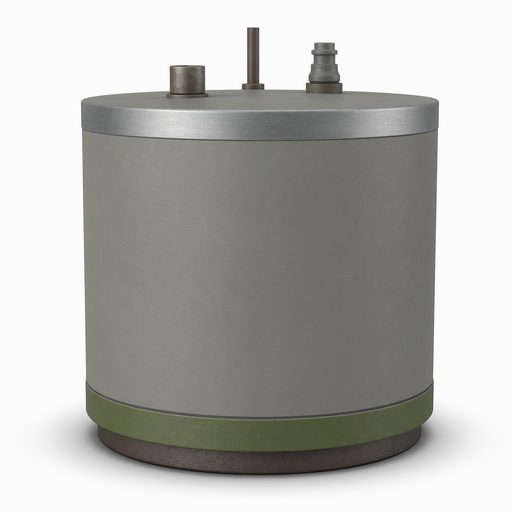
After months of disuse during summer, dust accumulates on the heater core's metal fins. When you first turn on the heat in fall, this dust burns off and produces a brief, acrid smell. This is the most common cause and is completely harmless — it should fade within 15-30 minutes.
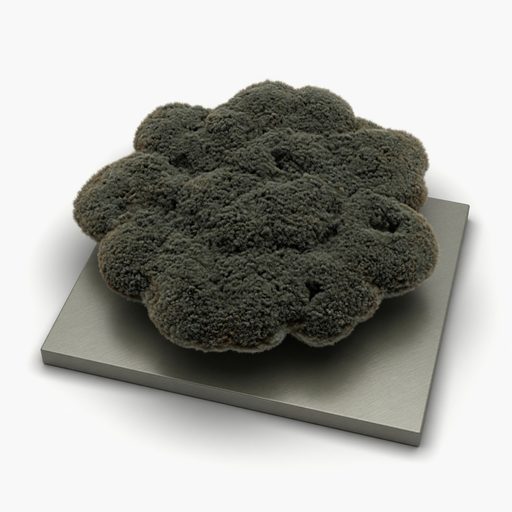
The evaporator coil and condensate drain create a perpetually damp environment inside your car's HVAC housing. During humid months, mold and mildew colonize the evaporator surface and drain pan. When you switch to heat, warm air blows over this mold and pushes the musty smell into the cabin.
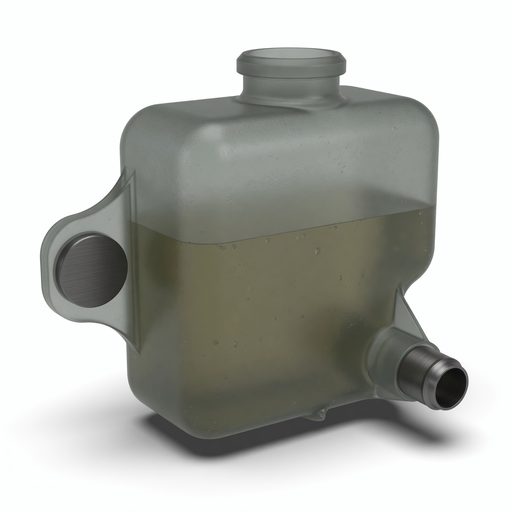
The heater core is a small radiator behind the dashboard that heats cabin air using engine coolant. A leaking heater core allows ethylene glycol (coolant) to vaporize into the cabin. The smell is distinctly sweet — like maple syrup or candy. This is a significant repair but not immediately dangerous.
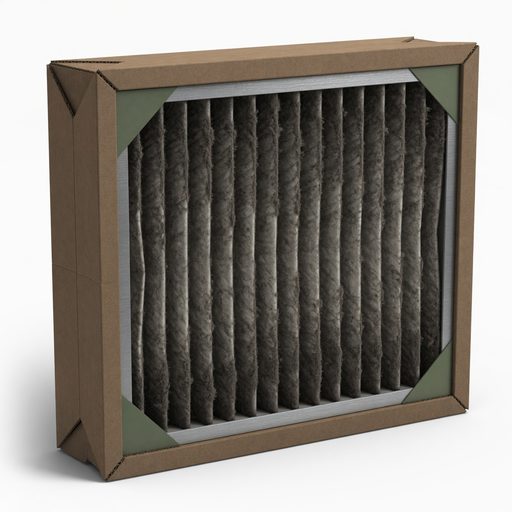
The cabin air filter traps pollen, dust, and organic material. Over time (especially if neglected for 20,000+ miles), trapped organic matter decomposes and produces a stale, musty odor. A saturated filter also can't block external odors from entering the cabin.
How to Fix It
Let It Burn Off (If First Use of Season)
$0If this is the first time using heat this season, simply run the heater on high for 20-30 minutes. The dust will burn off and the smell will resolve on its own.
- 1Turn the heater to maximum temperature
- 2Set the fan to high speed
- 3Crack a window for ventilation
- 4Let it run for 20-30 minutes — the smell should fade completely
Replace the Cabin Air Filter
$12-25Most cabin air filters are located behind the glove box and take 5 minutes to replace with no tools. Check your owner's manual for the exact location and filter size.
- 1Open the glove box and locate the cabin filter housing (usually behind it)
- 2Release the clips and remove the old filter
- 3Insert the new filter with the airflow arrow pointing down
- 4Replace every 15,000-20,000 miles or annually
Clean the Evaporator Coil
$15-30 DIY / $100-200 proSpray an HVAC evaporator cleaner (like Klima Cleaner or similar) into the blower intake or the condensate drain opening. This kills mold on the evaporator surface.
- 1Buy an automotive HVAC cleaner spray
- 2Locate the condensate drain tube under the car (passenger side)
- 3Spray the cleaner into the drain tube or the fresh air intake at the base of the windshield
- 4Run the fan on high with windows open for 10 minutes to dry
Diagnose a Heater Core Leak
$500-1,000 repairIf you smell sweet coolant, check the passenger footwell for dampness and monitor your coolant reservoir level. A heater core replacement is labor-intensive because it's behind the dashboard.
- 1Check for dampness on the passenger side floor carpet
- 2Monitor coolant level in the reservoir over a few days
- 3Look for oily film on the inside of the windshield
- 4If confirmed, get quotes from mechanics — heater core replacement typically costs $500-1,000 due to labor
When to Call a Professional
Smell persists despite cleaning — may indicate a hidden or serious source.
Accompanied by other symptoms — pain, discharge, or visible damage suggests a bigger issue.
Sudden onset with no obvious cause — investigate thoroughly or consult a professional.
How to Prevent It
Regular cleaning and maintenance — prevents buildup that causes odor.
Proper storage and ventilation — reduces moisture and bacterial growth.
Address issues promptly — small problems become big smells if ignored.
Understanding the Source
Most persistent smells have a specific cause that can be identified and addressed. The key is systematic investigation — start with the most likely cause and work through possibilities.
Prevention is always cheaper and easier than remediation. Regular maintenance and proper care eliminate most odor problems before they start.
Frequently Asked Questions
Most odors are unpleasant but not dangerous. However, some (gas leaks, chemical smells, signs of infection) warrant immediate attention.
Quick fixes work within minutes to hours. Deeper issues may take days. Persistent smells despite cleaning may need professional intervention.
Yes — regular cleaning, proper ventilation, and prompt attention to small issues prevents most odor problems.
When DIY methods don't resolve the smell after 1-2 attempts, or if the smell indicates a safety concern.