Most Likely Causes (Ranked)
The evaporator core cools air by removing heat and humidity. Water condenses on its surface constantly during AC use, creating a perpetually damp environment in a dark, enclosed space behind the dashboard. Dust and organic material from the cabin air filter pass through to the evaporator surface, providing food for mold and bacteria. These organisms produce the characteristic musty, sour, or vinegar-like smell.
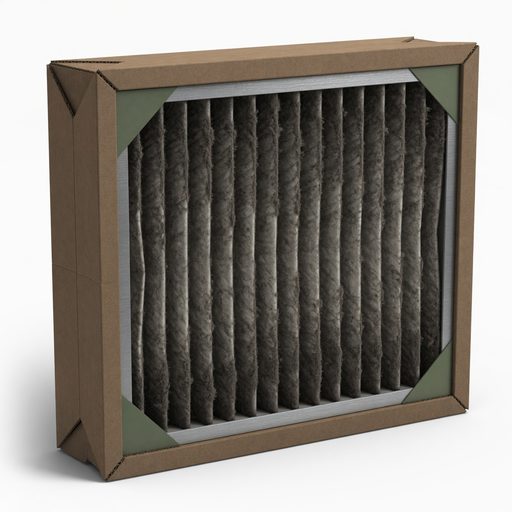
The cabin air filter cleans air before it reaches the evaporator and your lungs. When it's clogged with dust, pollen, and organic debris, it becomes a mold growth surface itself. A dirty filter also restricts airflow, reducing the evaporator's ability to dry itself and making mold growth worse on the evaporator too.
The evaporator has a drain tube that routes condensation water to the ground under the car. If this drain gets clogged with debris or mold, water pools in the evaporator housing instead of draining. Standing water dramatically accelerates bacterial growth and can cause the smell to become much worse than a simple damp evaporator.
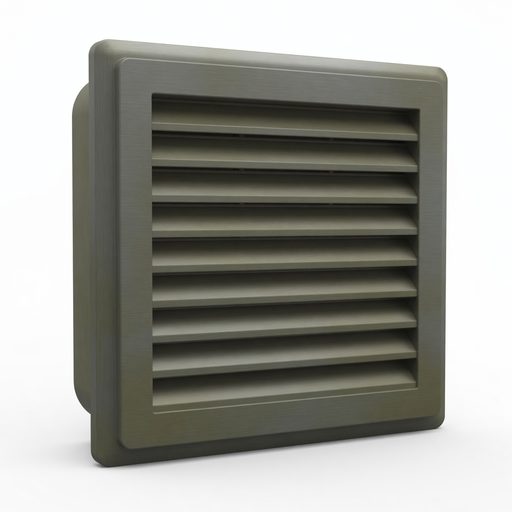
Occasionally, a small rodent, leaves, or other organic material enters the HVAC intake (located under the windshield cowl area) and begins decaying. Mice often nest in the cabin air filter area, especially in cars that sit unused during winter.
How to Fix It
Replace the Cabin Air Filter
$12-25Start here — takes 5 minutes on most cars and eliminates a common odor contributor.
- 1Locate the cabin air filter — most are behind the glove box (open the glove box, release the stops, and the filter slot is behind it). Some are under the windshield cowl (outside).
- 2Remove the old filter — note which direction it faces (arrow on the frame indicates airflow direction).
- 3Install the new filter in the same orientation. Use a HEPA-rated cabin filter if available for your vehicle ($15-25) for better filtration.
- 4Cabin filters should be replaced every 12,000-15,000 miles or once per year, whichever comes first.
Treat the Evaporator with Antimicrobial Spray
$10-20This targets the mold and bacteria directly on the evaporator surface.
- 1Buy an evaporator/AC treatment spray: Kool-It or Klima-Cleaner are well-reviewed brands ($10-15). These are foaming antimicrobial treatments.
- 2Remove the cabin air filter to access the evaporator. Spray the treatment through the filter slot — aim for the evaporator core surface.
- 3Turn the AC to maximum with recirculation on. Run for 10-15 minutes to circulate the treatment through the system.
- 4Alternatively, spray through the condensate drain from underneath the car (this requires finding and accessing the drain tube near the passenger firewall).
- 5Reinstall a new cabin air filter after treatment. The smell should improve within 1-2 days as the treatment kills existing organisms.
Clear the Evaporator Drain
$0-50If water isn't draining from the evaporator housing.
- 1Locate the evaporator drain tube under the car — it's a small rubber tube on the passenger side of the firewall (the wall between engine bay and cabin).
- 2If no water drips from it during AC use, it's likely clogged. Gently insert a thin, flexible wire or pipe cleaner to clear the blockage.
- 3Compressed air (low pressure) blown into the drain from underneath can dislodge stubborn clogs.
- 4Once cleared, water should flow freely when the AC runs. You should see a small puddle forming under the car after 10-15 minutes of AC use.
Prevent Future AC Smell
$0A simple habit prevents mold from returning.
- 1Turn off the AC 2-3 minutes before arriving at your destination, but leave the fan running on high. This blows ambient air over the evaporator, drying it before you park.
- 2Alternatively, switch from AC to regular vent/fan mode for the last few minutes of driving.
- 3This drying step removes the moisture that mold needs to grow. Cars in humid climates benefit most from this habit.
- 4Replace the cabin air filter on schedule (every 12-15K miles) and consider running the evaporator treatment spray once per year at the start of AC season.
When to Call a Professional
Water drips inside the car from the dashboard area — a clogged evaporator drain is overflowing into the cabin. This can damage carpet, electronics, and cause mold under the carpet.
The smell is extremely strong and doesn't improve with treatment — a dead animal smell in the HVAC plenum may need professional removal. Auto shops charge $100-300 to access and clean the plenum area.
The smell is chemical rather than musty — a chemical smell from the AC could indicate a refrigerant leak, which requires professional repair.
Your allergies or asthma worsen when driving — heavy mold in the AC system can continuously expose you to spores. Professional evaporator cleaning ($150-300) may be needed.
How to Prevent It
Run the fan without AC for the last 2-3 minutes of each drive — this dries the evaporator and prevents mold growth.
Replace the cabin air filter annually — a clean filter reduces the organic material that feeds mold.
Use the AC regularly — even in winter, run the AC for 10 minutes weekly. Regular cycling prevents stagnation.
Apply evaporator treatment spray annually — $10-15 at the start of AC season keeps the evaporator clean.
Park in shade when possible — heat buildup in a parked car can create a greenhouse effect that encourages microbial growth in the damp HVAC system.
Why the Smell Is Worst When AC First Turns On
The "first blast" smell that hits you when the AC kicks on is caused by a burst of volatile organic compounds released by disturbed microbial colonies. When the AC is off, mold and bacteria on the evaporator are dormant. When airflow starts, it disrupts the colonies and carries their metabolic byproducts (mVOCs) directly into the cabin.
After a few minutes, the initial burst dissipates as the strongest volatile compounds are blown away. The smell may seem to fade, but the organisms are still there. The next time you start the AC after it's been off for hours, the cycle repeats.
This is why the evaporator-drying trick works so well: by running the fan without AC before parking, you dry the evaporator surface, creating hostile conditions for mold and bacteria during the time the car sits.
Frequently Asked Questions
Cabin air filter: $12-25 DIY. Evaporator treatment spray: $10-20. Combined: about $25-40 and 20 minutes of your time. Professional evaporator cleaning: $150-300. In most cases, the DIY approach works perfectly well. Professional cleaning is for severe cases or when the evaporator drain needs service.
Some people spray Lysol into the cabin air intake with the fan running. While this temporarily masks odor, it doesn't provide lasting antimicrobial treatment on the evaporator and introduces chemicals you'll breathe. Purpose-made evaporator treatments are more effective and designed for the enclosed HVAC environment.
The "dirty sock syndrome" is caused by specific bacteria (Methylobacterium) that thrive on wet evaporator coils and produce compounds that smell like sweaty socks. The fix is the same: cabin filter replacement, evaporator antimicrobial treatment, and the drying habit to prevent recurrence.
Running the heater helps because it dries out the evaporator area with warm air. If you notice AC smell at the start of summer, run the heater for 15 minutes at maximum heat to help dry the system. Then apply evaporator treatment. Going forward, use the fan-drying trick to prevent recurrence.