Does this match what you’re noticing?
“Persistent dog smell even when the dog hasn't been in the car for days”
Common Causes (Ranked by Likelihood)
Dogs continuously shed microscopic dander — dead skin cells coated in sebum (skin oil). These particles deposit on fabric seats, carpets, seatbelts, and headliners where they accumulate over time. Sebum contains a mix of lipids and fatty acids that oxidize over time, producing increasingly foul odors. This is the base layer of permanent dog smell in cars — it continues to smell even when the dog isn't present.
Wet dog smell is caused by the same process as scalp odor: microorganisms (bacteria and yeast) in dog fur break down sebum and dead skin cells into volatile fatty acids, aldehydes, and sulfur compounds. When the fur gets wet, water displaces these compounds into the air. After a wet dog rides in the car, these compounds are deposited on fabric surfaces and remain — wet dog smell from a single trip can persist for weeks in upholstery.
Dogs drool, lick windows, and pant — depositing saliva on windows, door panels, seat edges, and the backs of front seats. Dried saliva contains proteins that bacteria break down into foul-smelling compounds, including skatole and indole (fecal smell compounds). It also contains bacteria themselves. A dog that regularly licks the same surface creates a steadily accumulating bacteria colony.
Dogs often ride in the boot or cargo area, where smell-trapping materials accumulate: shed fur, mud, fecal residue from paws, and absorbed moisture. Cargo area carpet and foam liners absorb and retain odors far more than hard surfaces. If the dog ever had an accident in the boot, uric acid remains in the material indefinitely and releases smell when wet or warm.
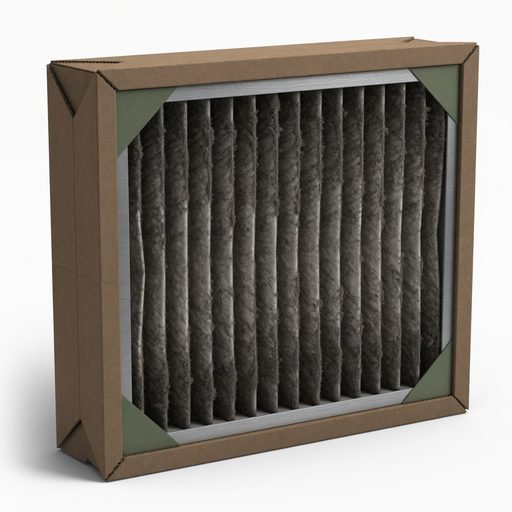
The cabin air filter captures airborne particles including pet dander and hair. Over time in a high-dog-use vehicle, the filter becomes saturated with dander and begins to contribute to the smell itself, particularly when the fan is running and air is forced through the clogged, odor-laden filter.
How to Fix It
Complete Interior Deep Clean
$20–60 in supplies, or $100–200 for professional detailingThe only way to truly eliminate embedded dog smell from a car.
- 1Start by removing all dog hair: use a rubber glove or pet hair removal brush dragged across all fabric surfaces before vacuuming.
- 2Vacuum every surface thoroughly, including under seats and in seat track channels where dander accumulates.
- 3Apply enzymatic cleaner (Nature's Miracle, Bissell Pet) to all fabric surfaces: seats, carpets, headliner, seatbelts. Let it sit for 10–15 minutes.
- 4Blot (don't rub) with a clean cloth. Repeat in heavily affected areas.
- 5Clean all hard surfaces (door panels, dashboard, windows) with disinfectant wipes or diluted white vinegar.
- 6Leave all doors open for 2–4 hours to ventilate. Replace the cabin air filter with an activated carbon version.
- 7Place activated charcoal odor absorbers or DampRid inside the car for 48 hours after cleaning.
Ongoing Prevention System
$30–80Prevents the smell from rebuilding after cleaning.
- 1Install a waterproof hammock seat cover over the back seats when transporting the dog — prevents direct dander and oil contact with the upholstery.
- 2Install a waterproof cargo liner if the dog rides in the boot.
- 3Keep a dedicated 'dog towel' in the car and dry the dog before they enter if wet.
- 4Keep a small spray bottle of diluted enzymatic cleaner in the car and spot-treat immediately after any dog accident or heavy drooling.
- 5Vacuum dog hair after every trip — it's much easier before it embeds into the fabric.
When to Call a Professional
Dog smell + visible mold or mildew (from wet dog soaking fabric repeatedly) — mold needs specific antifungal treatment in addition to odor removal.
Dog smell that intensifies dramatically despite cleaning — check under the seats for a hidden accident. Dog urine soaking into carpet padding cannot be removed without pulling the carpet.
If a passenger has a dog allergy — dander embedded in fabric can cause allergic reactions even weeks after the dog was last in the car.
How to Prevent It
Use a waterproof seat cover or hammock whenever the dog rides in the car.
Dry the dog thoroughly before putting them in the car after walks or swimming.
Vacuum dog hair from the car after every trip before it embeds into fabric.
Keep the car well-ventilated after dog transport — don't close it up immediately.
Replace the cabin air filter with an activated carbon version annually.
Frequently Asked Questions
Enzymatic cleaners are far more effective than regular cleaners or air fresheners for dog smell. Recommended products: Nature's Miracle Advanced Stain & Odor Eliminator, Angry Orange Pet Odor Eliminator, and Bissell Pet Stain & Odor Remover. These contain enzymes that biologically break down the odor-causing proteins, fatty acids, and uric acid — rather than masking them.
The compounds responsible for wet dog smell (fatty acids, aldehydes, and sulfur compounds from bacteria in dog fur) get embedded in car upholstery during normal dog rides. High humidity in the car — from rain, air conditioning condensation, or warm weather — re-releases these compounds into the air, recreating the wet dog smell without the dog being wet.
Ozone generators can be very effective for car odors, including dog smell — ozone (O3) oxidizes and destroys odor-causing molecules. However, ozone is harmful to breathe and the car must be completely vacated. After treatment (typically 1–2 hours), the car must air out for several hours before use. Many professional detailers offer ozone treatment as part of odor removal services.
Apply enzymatic cleaner liberally to the seats and let it sit for 10–15 minutes, then blot with a clean cloth. Sprinkle baking soda over the seats, leave for 4–8 hours (or overnight), then vacuum thoroughly. Repeat 2–3 times. This is effective for moderate odors; severe cases may need a professional shampooing.