
Most Likely Causes (Ranked)
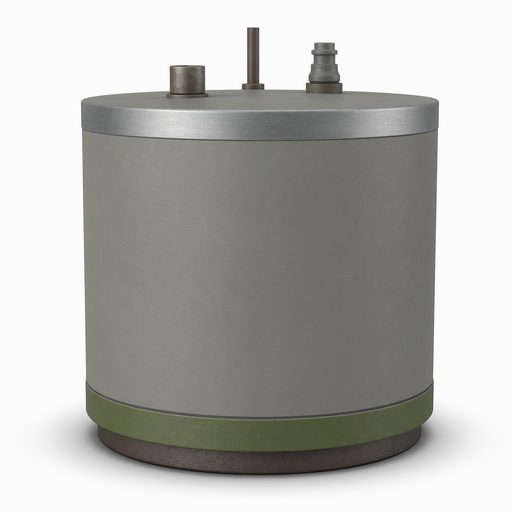
The heater core is a mini radiator behind your dashboard. A cracked core leaks ethylene glycol (coolant) into the HVAC housing, where it vaporizes into a sweet mist that enters the cabin. You may notice the windshield fogging with an oily film.
Coolant leaking from radiator seams, cracked hoses, or loose clamp connections drips onto hot engine components and vaporizes. The sweet antifreeze smell enters the cabin through the fresh air intake at the base of the windshield.
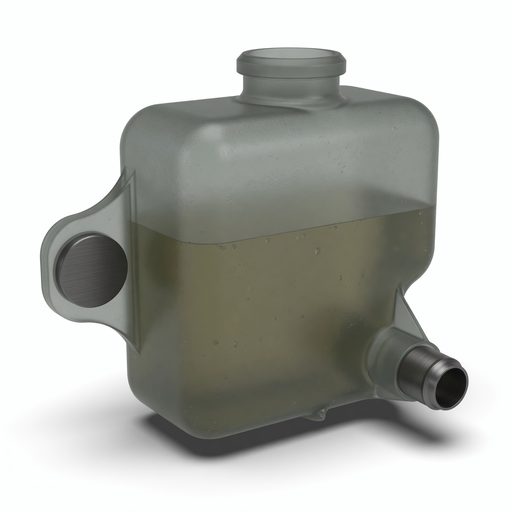
The coolant overflow reservoir can develop hairline cracks, or its cap may not seal properly. Coolant vapor escapes under pressure, especially when the engine is hot, creating a faint sweet smell around the engine bay.
The water pump circulates coolant throughout the engine. When the pump's shaft seal fails, coolant seeps out and hits the engine or belt area. Some water pumps have a "weep hole" that drips when the seal is failing as an early warning.
How to Fix It
Quick Fix
$0-10Start with the easiest solution.
- 1Identify the most likely source based on the smell characteristics.
- 2Address the immediate cause — clean, replace, or remove the offending item.
- 3Monitor to see if the smell returns.
- 4If it persists, move to deeper investigation.
Deep Clean
$10-50When the quick fix isn't enough.
- 1Thorough cleaning of the affected area or item.
- 2Use appropriate cleaning agents — baking soda for odor absorption, vinegar for disinfecting.
- 3Address any hidden sources of the smell.
- 4Allow thorough drying and ventilation.
Professional Help
$50-500When DIY methods don't resolve it.
- 1If the smell persists despite cleaning, consult a professional.
- 2They can identify hidden causes and provide targeted solutions.
- 3Professional equipment and methods are more thorough than DIY.
- 4Follow their maintenance recommendations to prevent recurrence.
When to Call a Professional
Smell persists despite cleaning — may indicate a hidden or serious source.
Accompanied by other symptoms — pain, discharge, or visible damage suggests a bigger issue.
Sudden onset with no obvious cause — investigate thoroughly or consult a professional.
How to Prevent It
Regular cleaning and maintenance — prevents buildup that causes odor.
Proper storage and ventilation — reduces moisture and bacterial growth.
Address issues promptly — small problems become big smells if ignored.
Understanding the Source
Most persistent smells have a specific cause that can be identified and addressed. The key is systematic investigation — start with the most likely cause and work through possibilities.
Prevention is always cheaper and easier than remediation. Regular maintenance and proper care eliminate most odor problems before they start.
Frequently Asked Questions
Most odors are unpleasant but not dangerous. However, some (gas leaks, chemical smells, signs of infection) warrant immediate attention.
Quick fixes work within minutes to hours. Deeper issues may take days. Persistent smells despite cleaning may need professional intervention.
Yes — regular cleaning, proper ventilation, and prompt attention to small issues prevents most odor problems.
When DIY methods don't resolve the smell after 1-2 attempts, or if the smell indicates a safety concern.