
Most Likely Causes (Ranked)
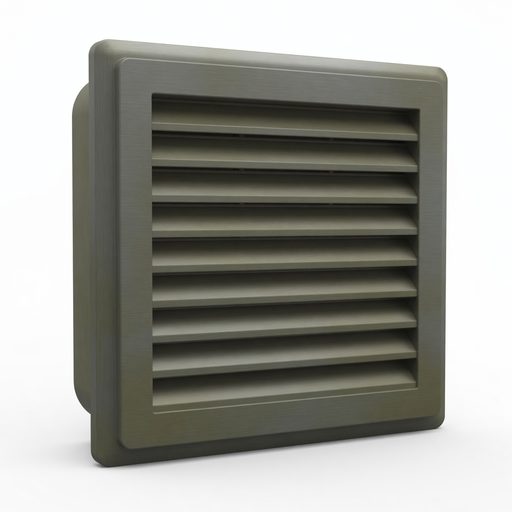
Many apartment buildings share ductwork between units. Cooking odors, smoke, and other smells travel freely through connected ventilation systems. This is the #1 complaint in apartments built before 2000.
Electrical outlets, plumbing penetrations, and gaps around pipes create air pathways between units. Even small gaps allow odors to migrate, especially cooking smells and cigarette smoke. Pressure differences between apartments drive this airflow.
Poor door seals allow hallway air (which carries cooking and smoking odors from other units) into your apartment. Hallways act as collection channels for odors from multiple units.
How to Fix It
Seal Pipe and Wire Penetrations
$5-15Use fire-rated caulk or expanding foam to seal every gap where pipes, wires, and conduits pass through shared walls. This is the single most effective fix.
- 1Check under every sink for gaps around pipes
- 2Inspect behind toilets where the supply line enters the wall
- 3Seal around cable/internet lines entering your unit
- 4Use fire-rated caulk (not regular silicone) for code compliance
Weatherstrip Your Front Door
$10-20Install adhesive weatherstripping around the door frame and a door sweep at the bottom. This blocks hallway odors and also reduces noise and drafts.
- 1Measure your door frame perimeter
- 2Apply adhesive foam or rubber weatherstripping around the frame
- 3Install a door sweep or draft blocker at the bottom
- 4Test by closing the door on a piece of paper — it should grip firmly
Run an Air Purifier
$50-200A HEPA + activated carbon air purifier handles both particulate and odor molecules. Place it near the source of infiltration for best results.
- 1Choose a purifier with activated carbon (not just HEPA)
- 2Size it for your room square footage
- 3Place near the front door or the vent where smells enter
- 4Replace carbon filters on schedule (they saturate over time)
When to Call a Professional
Smell persists despite thorough cleaning — may indicate a hidden or serious source.
Accompanied by other symptoms — health symptoms, visible damage, or worsening conditions warrant professional evaluation.
Sudden onset with no obvious cause — investigate thoroughly or consult a professional.
How to Prevent It
Regular cleaning and maintenance — prevents buildup that causes odor.
Proper storage and ventilation — reduces moisture and bacterial growth.
Address issues promptly — small problems become bigger smells if ignored.
Understanding This Smell
Most persistent smells have a specific cause that can be identified and addressed. The key is systematic investigation — start with the most likely source.
Prevention is always easier and cheaper than remediation. Regular maintenance eliminates most odor problems before they start.
Frequently Asked Questions
Most household and body odors are unpleasant but not dangerous. However, some indicate safety concerns or health issues that warrant attention.
Quick fixes work within minutes to hours. Deeper issues may take days. Persistent smells may need professional help.
Yes — regular cleaning, proper ventilation, and addressing issues early prevents most odor problems.
When DIY methods fail after 1-2 attempts, or if the smell indicates a safety or health concern.