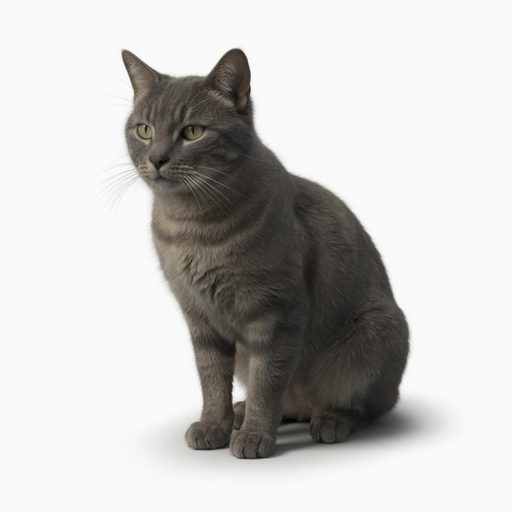
Does this match what you’re noticing?
“Brown clumps or a dark, matted patch in the fur right under the tail”
Most Likely Causes (Ranked)
The usual source is the cat's own back end: stool caught in the hair around the anus. The large version has a name, pseudocoprostasis, "a condition that occurs when fecal matter becomes matted in the hair surrounding the anal opening," and it "is most common in longhaired breeds of cats and most often occurs if the cat has diarrhea"3. A PetPlace veterinarian answering an owner whose long-haired cat gets feces caught in its fur after using the box was blunt: "For long-haired cats – there is not much you can do. Keeping the fur trimmed can help"4. A small clump is a smell problem. A big one is a medical problem: a fecal and hair mass can cover and block the anal opening, and the signs PetPlace lists include straining to defecate, scooting, vomiting, poor appetite, lethargy, and a "foul or fecal odor to cat"3. Treatment of a neglected mass can include removing maggots3. In older cats, oily skin and brittle hair can cause mats even in short coats, most often at the base of the tail5.
A cat cleans its own rear, so anything that makes the bend painful or impossible leaves feces behind. Cornell Feline Health Center says a cat with degenerative joint disease "may be unable to groom itself thoroughly," may have trouble hopping in and out of its litter box, and can become constipated because it can't position itself properly to defecate6. It is common: in X-rays of 100 middle-aged or elderly cats, "90 percent of cats over the age of 12 showed evidence of DJD," and VCA gives the same figure for cats 12 and older67. PetMD notes that many cats develop arthritis in the spine and hips, "which makes the motion of grooming painful," and that obesity can lead to unkempt fur and "a buildup of urine or fecal material" because a heavy cat can't reach5. Extra weight also raises the odds of joint disease67. A vet hospital's list of reasons cats stop grooming adds mouth pain from a dental problem or an oral tumor, illness that leaves no energy for it, dementia in older cats, and anxiety8. The giveaway is a tidy cat that suddenly looks "greasy and disheveled"8.
Firm stool leaves the cat cleanly; loose stool smears the fur on its way out, which is why PetPlace says matted feces most often happens when the cat has diarrhea3. Cornell defines diarrhea as "the abnormally frequent passage of watery, sometimes oddly colored (gray or yellow)" stool that may be "uncharacteristically foul smelling" and "possibly streaked with mucus or blood"10. A short bout can follow a diet change or stress; in adult cats, Cornell says diarrhea "will most often be attributable to an inflammatory, infectious, or neoplastic disorder," and problems outside the gut, including "a hyperactive thyroid gland, a disease of the kidney or liver," can cause it10. A feline-practice veterinarian writing for dvm360 gives the example of "an older cat having hyperthyroidism causing fecal soiling"13. Cornell's timing: diarrhea that persists for longer than a day or two, or comes with poor appetite, lethargy, or vomiting, needs a vet, and "some over the counter medications can be harmful to cats"10.
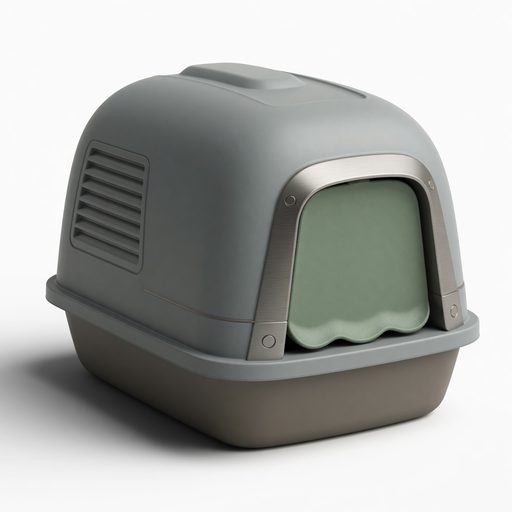
The box can put waste on the cat. The AAHA/AAFP feline guidelines say a box should be "at least one and a half times in size based on the length of the cat from nose to tip of the tail, which means most manufactured boxes are not large enough"11. Sources measure differently: a feline-practice veterinarian writing for dvm360 says about 1.5 times the cat "from the tip of the nose to the base of the tail," big enough to "enter, turn around, scratch and eliminate"13. Cornell adds that "Overweight and large cats need bigger boxes," and that young kittens, elderly cats, and cats with mobility problems need low sides12. Cornell's joint-disease article adds that a stiff cat may have trouble hopping in and out of the box and may not be able to position itself properly to defecate6. Cleanliness counts too: Cornell says to remove feces and clumps daily, that "Some cats refuse to use a box containing any urine or feces whatsoever," and that a cat that perches on the edge of the box without touching the litter is signaling a box problem12.
Cats have two anal sacs beside the anus, at about the four and eight o'clock positions, lined with glands that "produce a foul-smelling fluid"; VCA compares the secretions to a skunk's1. Merck describes the contents as "small amounts of dark, foul-smelling liquid which is normally squeezed out during defecation," and VCA says that release is what gives a cat's feces its distinctive scent12. When a duct swells shut, the sac impacts and the fluid turns thicker and darker; bacteria from feces can travel up the duct, infect it, and form a pus-filled abscess1. Merck says anal sac disease is "much less common in cats than in dogs," and impaction is the most common form in cats2. Signs: scooting, licking or biting at the anal area or tail, painful defecation with straining, hair loss near the tail base, a hot, painful swelling or "an oozing sore" next to the anus, and "greenish-yellow or bloody pus" if an abscess bursts12. Obesity, chronic diarrhea, chronic constipation, and inflammatory bowel disease can make it come back1.
Sometimes the poop smell is coming from the mouth. VCA says "The most common cause of halitosis in cats is periodontal disease caused from plaque and tartar build-up," with bacteria producing "smelly sulfur compounds" and food decomposing in pockets around diseased teeth14. Vet sources call the odor foul, not fecal; "poop breath" is the owner's word. PDSA, the UK veterinary charity, says bad breath in a cat is never normal, even in an old cat, and lists causes beyond teeth: gut infections or blockages, liver disease, something stuck in the mouth or throat, and mouth cancer; kidney disease tends to make breath smell like ammonia and diabetes makes it sweet15. A cat with mouth pain may also stop grooming, which adds a second smell on the coat8. PDSA's warning signs alongside bad breath are drooling, weight loss, eating less or not at all, dropping food, trouble swallowing, and lethargy15. For dental disease VCA says "the teeth must be thoroughly cleaned and polished under general anesthesia," with extractions where teeth are too far gone14.
How to Fix It
Find where the smell is and wash off small clumps
$0Do this first, the day you notice the smell; most of the time the answer is under the tail.
- 1Sniff in order: under the tail, the paws and hind legs, then the mouth. The rear points to stuck feces or the anal sacs, the paws to the litter box, the mouth to teeth or the gut131214.
- 2Lift the tail and look at the fur around the anus and the base of the tail for brown clumps or a matted patch, and check the skin beside the anus for a swelling, sore, or discharge13.
- 3If the area is swollen or the cat cries or lashes out when you touch it, stop; anal sac disease is very painful, and VCA warns even a gentle cat may scratch or bite1.
- 4For a soft clump, stand the cat in a bathtub, spray warm water on the mass to soften it, then clean the area with a mild dish soap and rinse, as PetPlace's veterinarians describe3.
- 5Do not cut a mat out with scissors; a PetPlace vet advises against scissors because "it can be easy to cut the skin," and PetMD says older cats have especially delicate skin that poor technique can cut or tear45.
- 6Call the vet instead if the mass covers the anal opening, the cat is straining, vomiting, not eating, or lethargic, or you see maggots; PetPlace says these cases need the mass removed and the area shaved, sometimes with fluids3.
Keep the rear clipped short, or book a groomer
VariesFor long-haired cats, and any cat that gets feces caught more than once.
- 1Use electric clippers, not scissors; Dr. Debra Primovic's advice for a long-haired cat that keeps getting feces caught is to keep the fur trimmed, trim carefully, and use clippers4.
- 2Clip the hair around the anus and under the base of the tail; PetPlace says shaving the anal area is usually required to clear a matted mass and suggests a groomer for the clip3.
- 3Hand a senior cat or a tight mat near the skin to a vet or experienced groomer; PetMD says mats won't resolve on their own and that close trimming can cause "lacerations or skin sloughing"5.
- 4Clip again as the fur grows back, and clean the area more often during any bout of diarrhea34.
- 5Help with the rest of the coat: older cats with arthritis or dementia may need grooming help, and daily brushing helps8.
Resize and reset the litter box
VariesWhen the smell is on the paws or legs, the cat perches on the rim, or a heavy or stiff cat struggles to get in.
- 1Measure the cat and get a box at least 1.5 times that length. AAHA/AAFP measures nose to tip of the tail and dvm360's feline-practice author measures nose to base of tail; the AAHA measurement gives the bigger box1113.
- 2If no commercial box is big enough, use a large plastic storage container, which the AAHA/AAFP guidelines suggest because most manufactured boxes are too small11.
- 3For a senior, arthritic, or overweight cat, choose or cut a low entry; Cornell, VCA, and AAHA/AAFP all call for low or shallower sides for seniors and cats with stiff joints71112.
- 4Fill it with about one to two inches of unscented, fine-textured litter, which Cornell says most cats prefer12.
- 5Scoop at least once a day111213. Washing advice differs: AAHA/AAFP says "Soap or strong chemicals should be avoided; hot water is best," while Cornell says to scrub with "a gentle detergent" and dry the box before refilling1112.
- 6Keep one box per cat plus one, and never scold the cat for going somewhere else1112.
Get the cause treated: stool, anal sacs, joints, or teeth
VariesWhen the mess keeps coming back, the stool stays loose, the cat scoots, or the smell is on the breath.
- 1Bring a fresh stool sample; PetPlace says the vet will check it for intestinal parasites3.
- 2Tell the vet how long loose stool has lasted and whether the cat has vomited, eaten less, or been lethargic, which is how Cornell judges urgency, and don't give over-the-counter medicine first, since some can be harmful to cats10.
- 3For anal sacs, expect the vet to express and flush them, which "can be painful, so it may require sedation," plus medication infused into the sac, oral antibiotics and pain relief when infected, and a cone if the cat licks; surgery is for chronic or recurrent cases12.
- 4For a cat that has stopped grooming, ask about joint pain; Cornell says care relies largely on pain medication and attentive home care, and VCA calls weight loss to a healthy body condition "extremely helpful at relieving arthritic pain"67.
- 5For an overweight cat, follow a vet-directed weight plan with gradual loss; Cornell warns that sudden starvation diets risk hepatic lipidosis9.
- 6For bad breath, expect a dental exam and a cleaning and polishing under general anesthesia, with extractions where needed14.
When to Call a Professional
A mass of hair and feces covers the anus, or the cat strains, vomits, stops eating, or is lethargic: PetPlace says a mass obstructing the anal opening has to be removed and the area shaved, and dehydration may need fluids3.
Diarrhea lasts longer than a day or two, or comes with poor appetite, lethargy, or vomiting: Cornell says to see a vet as soon as possible, and not to reach for over-the-counter medicines that can harm cats10.
Scooting, constant licking under the tail, a swelling beside the anus, or pus or blood there: these are signs of anal sac impaction or abscess, which a vet expresses, flushes, and treats with antibiotics and pain relief12.
How to Prevent It
Keep the fur around the anus and under the tail clipped short with clippers on a long-haired cat; PetPlace says preventing feces from matting in the hair is key to preventing pseudocoprostasis34.
Keep the cat lean: obesity makes it harder to reach and groom the rear and raises the odds of arthritis; Cornell recommends canned food and set meals instead of free feeding, with any weight-loss plan directed by a vet579.
Brush an older or arthritic cat daily to do the grooming it can no longer do, and have a vet or groomer deal with mats58.
Book senior exams about every six months, as PetMD recommends; kidney disease, thyroid disorders, and diabetes can also make a cat stop grooming5.
Control plaque daily with VOHC-accepted dental products; VCA calls daily plaque control essential to controlling bad breath and recommends dental exams at least twice a year14.
Frequently Asked Questions
Using the box doesn't mean leaving it clean: stool can catch in the fur around the anus, especially on long-haired cats and when stool is soft34. Check the box too, because AAHA/AAFP says most manufactured boxes are too small, and Cornell says a cat perching on the rim instead of standing in the litter is signaling a box problem1112. If the coat also looks greasy or unkempt, the cat may not be able to groom because of arthritis, weight, or mouth pain568.
The two usual reasons are feces matted in the fur and the anal sacs13. The sacs hold a dark, foul-smelling liquid that is normally squeezed out with each bowel movement, and when they impact or get infected the cat scoots, licks under the tail, and may have a swelling or oozing sore beside the anus12. Merck says anal sac disease is much less common in cats than in dogs, so lift the tail and look for stuck feces first23.
PetPlace's veterinarians suggest standing the cat in the bathtub, spraying warm water on the mass to soften it, and cleaning with a mild dish soap, then having a groomer clip the hair around the anus3. Use clippers rather than scissors, because "it can be easy to cut the skin"4. If the mass covers the anal opening or the cat is straining, vomiting, or not eating, take it to the vet instead3.
Most often it is dental disease: VCA says bacteria in plaque and tartar produce smelly sulfur compounds, and food decomposes in pockets around diseased teeth14. PDSA says bad breath is never normal in a cat and also lists gut infections or blockages, liver disease, and mouth cancer among the causes15. Any persistent bad breath needs a vet exam, and sooner if the cat drools, drops food, or eats less15.
The veterinary sources describe it as a job for the vet: VCA says expression "can be painful, so it may require sedation," and infected sacs also need antibiotics and pain relief1. Cats with recurring problems may benefit from routine expression by veterinary professionals, and VCA says the underlying condition, such as obesity or chronic diarrhea, should be treated to stop it coming back1.
Cornell Feline Health Center cautions that "some over the counter medications can be harmful to cats" and says a vet should examine an affected cat as soon as signs are noticed10. Diarrhea that lasts longer than a day or two, or comes with poor appetite, lethargy, or vomiting, needs a vet as soon as possible10. Bring a stool sample so it can be checked for parasites3.
The most common reason is joint pain: Cornell says a cat with degenerative joint disease may be unable to groom itself thoroughly, and X-ray studies found it in 90 percent of cats over 1267. Obesity, mouth pain from a dental problem, illness, and dementia also stop cats grooming58. A grooming change that lasts more than a few days is worth a vet visit, and pain medication and weight loss can help678.
Sources
Every factual claim above comes from one of these. Updated November 2026.
- Anal Sac Disease in Cats — VCA Animal Hospitals (Courtney Barnes, DVM; Malcolm Weir, DVM; Tammy Hunter, DVM; Ernest Ward, DVM; updated May 26, 2025)
- Disorders of the Rectum and Anus in Cats — Merck Veterinary Manual, Pet Owner Version (Stanley I. Rubin, DVM, MS, DACVIM; last updated Sept 2024)
- Pseudocoprostasis (Fecal Matter Stuck in Hair) in Cats — PetPlace (PetPlace Veterinarians; July 3, 2015)
- How Can I Prevent Feces Being Caught in My Cat's Fur? — PetPlace Vet Q&A (Dr. Debra Primovic, DVM; March 2, 2015)
- Matted Fur and More: Grooming Your Senior Cat — PetMD (PetMD Editorial; reviewed by Lauren Jones, VMD; updated Mar. 17, 2022)
- Is Your Cat Slowing Down? — Cornell Feline Health Center, Cornell University College of Veterinary Medicine
- Degenerative Joint Disease in Cats — VCA Animal Hospitals (Malcolm Weir, DVM; Krista Williams, DVM; Cheryl Yuill, DVM; updated Mar 31, 2026)
- Does Your Cat Have a Grooming Problem? — Patton Veterinary Hospital (clinic article; no author or date shown)
- Obesity — Cornell Feline Health Center, Cornell University College of Veterinary Medicine
- Diarrhea — Cornell Feline Health Center, Cornell University College of Veterinary Medicine
- General Litter Box Considerations (2021 AAHA/AAFP Feline Life Stage Guidelines) — American Animal Hospital Association and American Association of Feline Practitioners
- Feline Behavior Problems: House Soiling — Cornell Feline Health Center, Cornell University College of Veterinary Medicine
- Back to the proper place: How to solve feline house soiling — dvm360 (Ilona Rodan, DVM, DABVP feline practice; July 4, 2016, modified April 28, 2020)
- Halitosis in Cats — VCA Animal Hospitals (Tammy Hunter, DVM; Jan Bellows, DVM, Dipl. AVDC, ABVP; updated Nov 23, 2023)
- Bad Breath in Cats (PetWise Pet Health Hub) — PDSA (People's Dispensary for Sick Animals), June 2020
Cite or link to this guide
Citation (APA)
Link (HTML)
Free to quote with a link back. Writers, teachers and landlords: the chart at Smells You Should Never Ignore is free to embed.
Related smells
Other guides in Pets & Animals and smells that share a cause.