Most Likely Causes (Ranked)

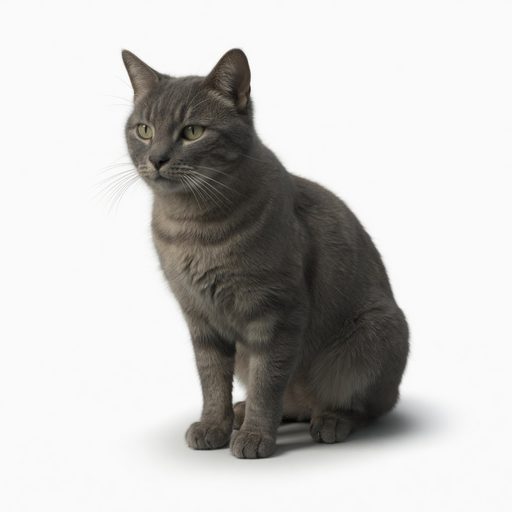
Cat urine contains high concentrations of urea, which bacteria convert to ammonia within hours. A single day of unscooped litter allows ammonia to reach levels that are unpleasant for humans and actively stressful for cats (whose noses are 14x more sensitive). Multiple cats compound this exponentially.
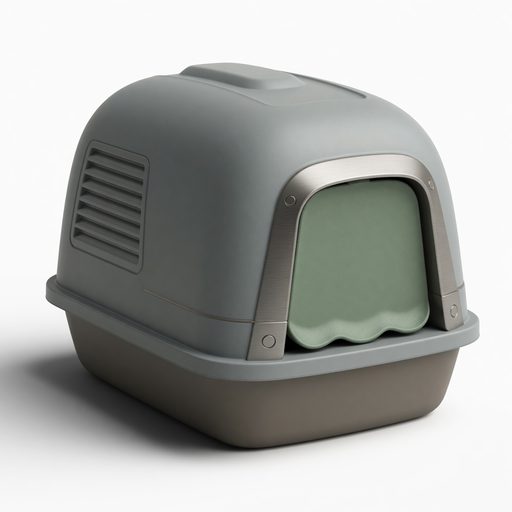
Clumping clay litter (sodium bentonite) at 3-4 inches deep provides the best odor control by encapsulating urine in tight clumps that seal in ammonia. Non-clumping litter, crystal litter past its capacity, or litter layers under 2 inches allow urine to pool at the box bottom where it produces maximum ammonia.
Plastic litter boxes develop microscopic scratches from scooping and cat claws. These scratches absorb urine at a molecular level, and no amount of cleaning can fully remove it. A box used for over a year smells worse than a new box even when freshly washed and refilled.
How to Fix It
Quick Fix
$0-10Try this first.
- 1Identify the source by following the smell to its strongest point.
- 2Clean or treat the source directly.
- 3Ventilate the area.
- 4Monitor for recurrence.
Deep Clean
$10-50If the quick fix doesn't resolve it.
- 1Remove and clean all components in the affected area.
- 2Use appropriate cleaning products (enzymatic for organic, bleach for mold).
- 3Address any moisture or ventilation issues.
- 4Consider odor absorbers (activated charcoal, baking soda).
Professional Help
$50-500When DIY doesn't work.
- 1Call the appropriate professional (plumber, HVAC tech, pest control, vet).
- 2Get a diagnosis before authorizing expensive repairs.
- 3Ask about warranties on the work.
When to Call a Professional
Smell persists despite thorough cleaning — the source may be hidden or structural.
Smell is accompanied by other symptoms — may indicate a more serious issue.
Smell appeared suddenly and is very strong — investigate promptly for safety.
How to Prevent It
Regular cleaning and maintenance prevents most odor problems.
Address moisture issues promptly.
Good ventilation is key to preventing odor buildup.
Finding the Source
The key to eliminating any persistent smell is finding the source. Litter box odor — cleaning frequency, litter type, number of boxes, and health issues. Follow your nose to the area where the smell is strongest, then systematically check each possible cause listed above. Most smells have a straightforward fix once the source is identified.
Frequently Asked Questions
Start by identifying the source — the smell is always strongest near the cause. Once found, clean or treat the specific source. See the fixes section above for detailed steps.
Most household smells are unpleasant but not dangerous. Exceptions include gas leaks (rotten egg smell near gas appliances), carbon monoxide risk, and strong chemical fumes. When in doubt, ventilate and investigate.
With proper treatment of the source, most smells resolve within 24-72 hours. Persistent smells after treatment suggest the source wasn't fully addressed or there's a secondary cause.
Try the DIY fixes first. Call a professional if: the smell persists after thorough cleaning, you can't identify the source, or the cause requires specialized equipment or expertise.