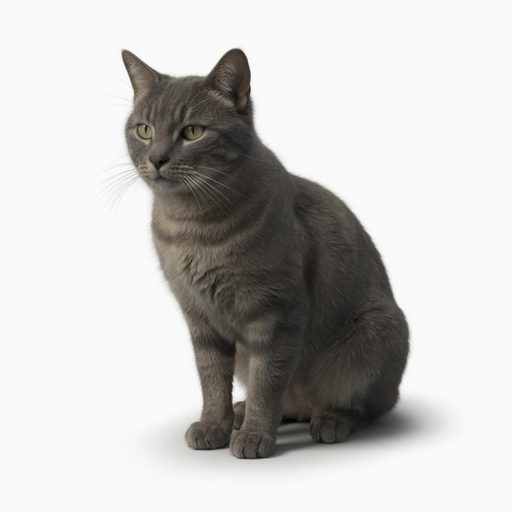
Does this match what you’re noticing?
“Death-like smell coming from the mouth specifically”
Common Causes (Ranked by Likelihood)
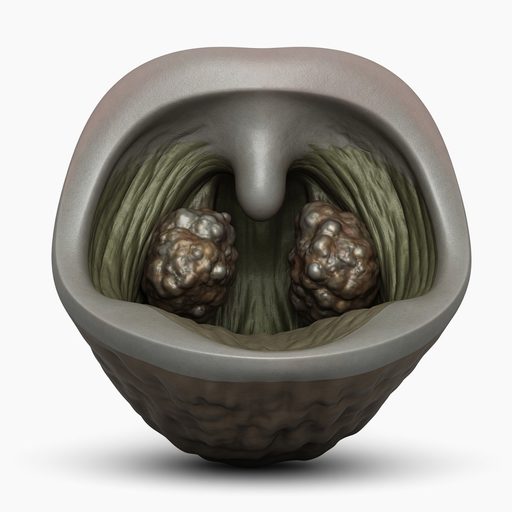
Dental disease is the most common cause of death-like smell in cats — it affects over 70% of cats by age 3. As plaque accumulates and gum disease progresses, anaerobic bacteria proliferate in the gum pockets and produce hydrogen sulfide, methyl mercaptan, and other sulfur compounds from rotting tissue. An oral abscess — a pocket of infected, dying tissue — produces an unmistakably putrid odor that many owners describe as smelling like death or a dead animal.
Chronic kidney disease (CKD) affects approximately 30% of senior cats. When kidneys fail, urea and other nitrogen waste products accumulate in the blood (uremia). These compounds — including dimethylamine and trimethylamine — are exhaled through the lungs, producing a distinctive ammonia, fish, or urine-like smell on the breath. In severe uremia, this smell is often described as death-like. CKD is the leading cause of death in cats over 12.
Cats that go outdoors frequently get into fights. Cat bite wounds are small entry points that seal over quickly, trapping bacteria underneath. Within 2–5 days, a painful abscess forms — a pocket of pus that produces an intensely foul, death-like smell when it ruptures. The odor comes from anaerobic bacteria digesting tissue. Abscesses are most common on the face, neck, tail base, and limbs.
Cats have two anal glands that secrete a fishy, foul-smelling fluid for marking. Normally expressed during defecation, these can become impacted (blocked) or infected, producing a persistently foul odor that some describe as death-like. Less common in cats than dogs, but occurs particularly in overweight cats who can't properly groom their rear end.
Liver disease causes the accumulation of waste products (mercaptans, ammonia) that the liver normally processes and eliminates. These are excreted through breath and skin, producing a musty, sulfurous, or death-like smell sometimes called fetor hepaticus. Portosystemic shunts (abnormal blood vessel bypassing the liver) can cause this in younger cats too.
How to Fix It
Veterinary Assessment Within 48 Hours
Vet visitA death-like smell from a cat almost always has a serious cause needing professional diagnosis.
- 1Call your vet and describe the smell — specify whether it's coming from the mouth, a specific body area, or the general body.
- 2Note any behavioral changes: eating less, drinking more or less, lethargy, hiding, vomiting, changes in litter box use.
- 3Do not bathe the cat before the vet visit — washing may mask important diagnostic clues.
- 4If the cat is severely lethargic, refusing food for more than 24 hours, or has trouble breathing — go to an emergency vet, not wait for a regular appointment.
- 5Bring a list of any medications, diet changes, or outdoor exposure to the vet visit.
Check for Visible Wounds or Abscesses
$0 — diagnostic stepA physical check can identify an abscess quickly in outdoor cats.
- 1In good light, part the fur systematically over the cat's body — especially face, neck, shoulders, tail base, and legs.
- 2Look for matted fur, swelling, a scab over a puncture wound, or wet/discolored fur where fluid may be draining.
- 3Smell the coat in sections — an abscess has a very localized and unmistakable putrid smell.
- 4Check between the toes and around the ears — bite wounds can occur anywhere.
- 5If you find a wound or suspect an abscess, see a vet — home treatment is inadequate for cat bite abscesses.
When to Call a Professional
Death-like smell + not eating + lethargy lasting more than 24 hours — veterinary emergency. Don't wait.
Death-like smell + yellow gums, eyes, or skin — possible liver disease or severe anemia. Emergency vet visit.
Death-like smell + difficulty breathing — go to an emergency vet immediately.
Death-like smell from a specific wound site that is swelling or spreading — abscess possibly spreading to surrounding tissue. Vet within hours.
How to Prevent It
Schedule annual dental cleanings under anesthesia for cats over 3 years — early intervention prevents severe dental disease.
Annual bloodwork for cats over 7 — early kidney disease is detectable years before symptoms appear.
Keep cats indoors to prevent fight wounds and bite abscesses.
Monitor water intake and litter box habits — changes are early warning signs of kidney disease.
Maintain healthy cat weight — overweight cats are more prone to anal gland problems and can't groom adequately.
Frequently Asked Questions
Not necessarily — while the smell can indicate serious illness, many of the causes (dental disease, abscesses) are very treatable. A death-like smell does indicate something is wrong medically, and it warrants a vet visit rather than waiting. Early treatment dramatically improves outcomes for conditions like kidney disease.
Uremic breath from kidney failure in cats is typically described as ammonia-like, fishy, or urine-like. Some owners describe it as simply 'very chemical' or vaguely death-like. It can be similar to the smell of strong cleaning ammonia or old urine. It's distinct from the putrid smell of dental disease — the kidney smell is more chemical, the dental smell is more rotten.
Have someone gently restrain the cat while you smell the breath directly — open the mouth slightly and smell. Then smell the coat systematically by parting the fur. If the smell is primarily from the mouth, dental disease or kidney disease is most likely. If from a specific body area, look for a wound, abscess, or anal gland issue there.
An indoor cat's sudden death-like smell is most likely dental disease (the most common cause by far), kidney disease in older cats, or rarely a spontaneous skin infection. Because indoor cats don't get fight wounds, bite abscesses are less likely. Book a vet appointment within 24–48 hours and describe the specific quality of the smell — mouth-sourced vs. body-sourced.