Common Causes (Ranked by Likelihood)
Pet urine soaks through carpet fibers into the backing and foam padding beneath. The padding absorbs and holds urine like a sponge — far more than the surface suggests. As the urine dries, urea crystals form in the padding. Humidity reactivates these crystals, producing ammonia smell repeatedly. Surface cleaning and deodorizers mask the smell temporarily but don't reach the padding. The only complete fix is enzymatic treatment that penetrates to the pad, or padding replacement.
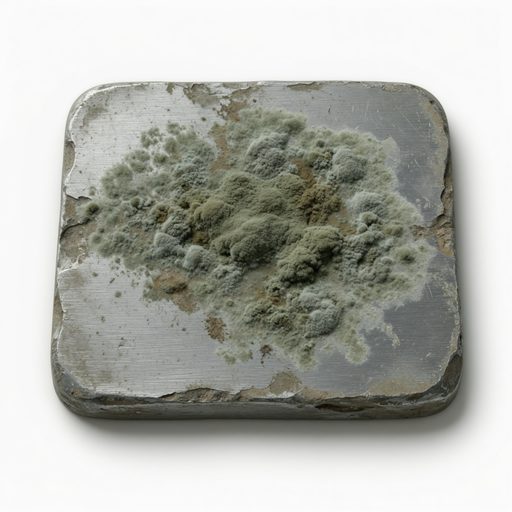
Carpet padding is foam or fiber — extremely hospitable to mold when wet. Any water intrusion (flooding, plumbing leak, wet mopping, or even humid climate) that doesn't dry completely within 24-48 hours causes mold to grow in the padding. The carpet can appear and feel dry on top while actively moldy underneath. This produces a musty, earthy smell that worsens in humid conditions.
Food and drink spills that weren't immediately and thoroughly extracted leave organic material deep in the carpet fibers and padding. As this material decomposes, it produces sour, sweet-putrid, or fermented smells. Common offenders: milk (produces particularly persistent sour smell), coffee, juice, and any protein-based food. The smell is often worse when the carpet is warm (summer, after vacuuming).
Shoes track in bacteria, dead skin cells, food particles, and organic material that accumulates in carpet fibers. In high-traffic areas — hallways, living room, in front of sofas — this buildup creates a distinctly stale, musty-dirty odor over time even without any specific spill. The smell is often most noticeable after vacuuming disturbs the bacteria.
New carpets off-gas volatile organic compounds (VOCs) from the adhesive backing, carpet fibers, and padding — primarily 4-PC (4-phenylcyclohexene) and styrene-butadiene. This produces the characteristic 'new carpet smell' which some people find irritating. Off-gassing is most intense in the first 24-72 hours but continues at lower levels for weeks. Ventilation dramatically accelerates clearing.
Carpet is extremely effective at absorbing airborne odors including cigarette smoke, cooking smoke, fire smoke, and general environmental smells. Smoke particularly bonds to carpet fibers at the molecular level, making it one of the hardest odors to fully remove. If a previous resident smoked, carpet may need replacement rather than cleaning.
How to Fix It
Enzymatic Treatment for Pet Urine
$15-50The only effective approach for urine that has soaked into the padding.
- 1Locate all urine spots — use a UV blacklight in a dark room. Mark each spot with painter's tape.
- 2Saturate each spot thoroughly with enzymatic cleaner (Nature's Miracle, Rocco & Roxie, or Zymox). Use enough to penetrate through the carpet into the pad — roughly 2-3x the volume of urine you think is there.
- 3Cover with plastic wrap and let sit 24-48 hours — enzymes need time to break down urea crystals in the padding.
- 4Remove plastic, blot excess liquid, then allow to air dry completely (2-3 days). Do not walk on treated areas until fully dry.
- 5For severe or repeated soiling, lift the carpet and replace the padding — this is often the only complete solution.
Mold Remediation
$0-500+For musty smell from moisture damage.
- 1Lift a corner of the carpet in the affected area to inspect the backing and padding. Black, green, or gray discoloration indicates active mold.
- 2For small areas (under 10 sq ft) without extensive mold: remove the padding entirely, scrub the subfloor with a bleach solution (1 cup per gallon), allow to dry completely (use fans), then replace the padding.
- 3For large areas or if mold is on the carpet backing itself: the carpet must be replaced. Cleaning moldy carpet is not effective.
- 4Address the moisture source before replacement — otherwise mold returns.
- 5For extensive mold, consult a professional remediation company — health risks from disturbing large mold colonies are real.
Deep Steam Cleaning for Spills and Bacteria
$30-200For general odor from spills, bacteria, and buildup — not effective for urine or mold.
- 1Vacuum thoroughly first — steam cleaning pushes dirt deeper if surface isn't vacuumed.
- 2Pre-treat any visible stains with carpet cleaner, let dwell 5 minutes.
- 3Use a hot water extraction machine (rent from home improvement store ~$35/day, or hire professional). Hot water extraction reaches the padding — steam cleaners often don't.
- 4Make multiple slow passes, overlapping each pass by 50%.
- 5Dry completely within 24 hours — open windows, use fans. Wet carpet that dries slowly can develop mold, creating a new problem.
Baking Soda Treatment for Mild Odor
$2For fresh, mild odors — surface-level deodorizing.
- 1Sprinkle a generous layer of baking soda over the affected area.
- 2Work gently into carpet fibers with a soft brush.
- 3Let sit 4-24 hours (overnight is ideal).
- 4Vacuum thoroughly. Use a vacuum with a HEPA filter to avoid redistributing fine powder.
- 5Repeat as needed. This addresses surface odors but does not reach padding — for deep odors, enzymatic treatment or extraction is required.
When to Call a Professional
Musty smell that returns quickly after cleaning — active mold in padding; cleaning is insufficient, padding replacement required.
Smell accompanied by allergy symptoms, coughing, or respiratory irritation — possible significant mold; have carpet inspected, consider replacement.
Pet urine smell persists after enzymatic treatment — urine has saturated the subfloor beneath the padding; subfloor treatment or replacement needed.
New carpet smell causing headaches, eye irritation, or breathing difficulty — significant VOC sensitivity; maximize ventilation, consider requesting low-VOC replacement.
How to Prevent It
Act on spills immediately — blot (never rub), extract as much liquid as possible before it reaches the padding.
Train and promptly clean up after pets — each accident that soaks in compounds the problem.
Professional deep cleaning every 12-18 months in homes with pets or heavy traffic.
Use a dehumidifier in basement or damp areas — keep humidity below 50% to prevent mold in padding.
Remove shoes at the door — dramatically reduces bacterial load tracked into carpet.
Ensure carpet dries within 24 hours after any wetting — the single most important mold prevention step.
Why Surface Cleaning Doesn't Fix Deep Carpet Odors
The structure of carpet creates a deceptive odor problem. Fibers make up the visible surface, but beneath them is the backing (a woven or rubber layer), and beneath that is the padding (thick foam or fiber). Urine, spills, and moisture all flow downward by gravity — the padding absorbs far more than the surface fibers. When you clean the surface, you're addressing maybe 20% of where the odor source actually lives.
This is why 'cleaning' carpet that smells like pet urine with conventional shampoo or steam often makes the smell temporarily worse before it returns. Heat activates the urea crystals in the padding, releasing more ammonia. Enzymatic cleaners solve this by chemically breaking down the urea molecules rather than just washing over them — but they must be used in sufficient volume to actually penetrate to the padding.
Frequently Asked Questions
Hot water or steam reactivates urea crystals from pet urine in the padding, intensifying ammonia smell. It also increases humidity in the room which activates any mold. The smell usually intensifies during drying then may fade — but if it returns to pre-cleaning levels after drying, the source is in the padding and requires enzymatic treatment, not more cleaning.
Use a UV blacklight in a completely dark room — urine fluoresces yellow-green and reveals spots invisible in normal light. For mold, lift a corner of carpet and inspect the backing and foam padding. For spills, get close to the carpet and sniff specific areas while crawling — the smell concentrates strongest directly above the source.
For most odors yes — enzymatic treatment for pet urine, hot water extraction for spills and bacteria, baking soda for mild surface odors. Exceptions where replacement is usually necessary: mold covering more than 10 sq ft, carpet backing with extensive mold, heavy smoke absorption from years of cigarette smoking, and subfloor saturation from repeated pet accidents.
Most of the VOC off-gassing dissipates within 3-7 days with good ventilation. Residual smell can linger 2-4 weeks. Run fans, open windows, and avoid closing the room. The EPA recommends ventilating for 72 hours minimum after new carpet installation. People with chemical sensitivities may notice smell for longer.