Common Causes (Ranked by Likelihood)
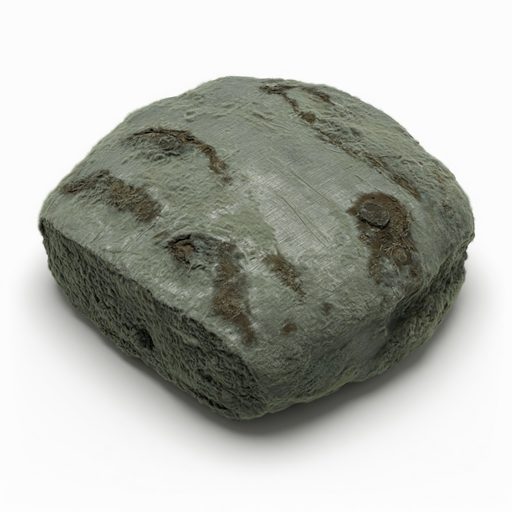
European manufacturers — particularly Volkswagen Group (VW, Audi, Porsche, SEAT, Škoda), BMW, Mercedes-Benz, and Volvo — use a paraffin-wax-based compound in door panels, dashboards, and body cavities for sound insulation. This compound has a melting point just above typical cabin temperatures, so on hot days it softens and releases volatile compounds that smell exactly like crayons (which are also made from paraffin wax).
If you have kids (or had kids in the car), actual crayons may have melted into the carpet, seat fabric, or between seat cushions. A single melted crayon in a hot car can produce a persistent wax smell for weeks. Candle wax, lip balm, or other wax products can have the same effect.
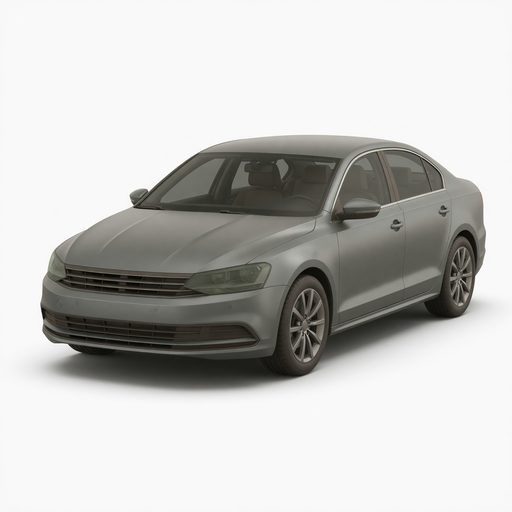
Various adhesives, sealants, and coatings used in vehicle assembly can produce waxy or crayon-like smells as they off-gas, especially in newer vehicles or after body work / accident repair. This is similar to "new car smell" but with a more waxy character. Usually fades over time.
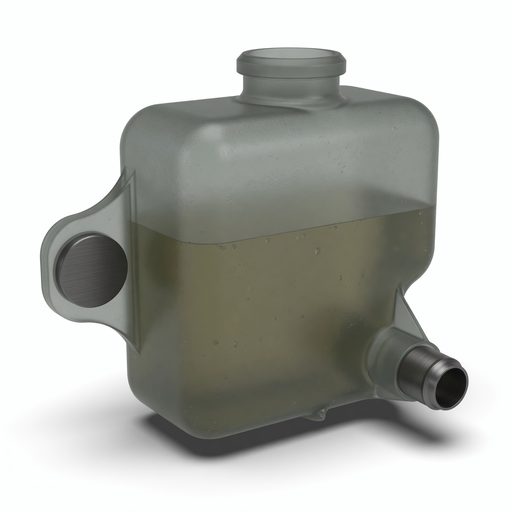
While antifreeze typically smells sweet (like maple syrup), some people describe a mild heater core leak as having a waxy or crayon-like quality. This is an important cause to rule out because a heater core leak can cause overheating and produces toxic fumes in the cabin.
How to Fix It
Manage the Sound Deadening Smell
$0-50You can't fully eliminate it in affected cars, but you can manage it.
- 1Use windshield sun shades to keep cabin temperature down — the wax off-gases more at higher temperatures.
- 2Crack the windows slightly when parked to allow ventilation (if safe to do so).
- 3Use an activated charcoal odor absorber bag in the cabin ($8-15) — these absorb VOCs without adding fragrance.
- 4Park in shade or a garage whenever possible.
Clean Up Melted Wax/Crayons
$0-20For actual melted crayon or wax products.
- 1Place a brown paper bag or several paper towels over the wax stain.
- 2Apply a warm iron (low heat) — the wax melts and wicks into the paper. Repeat with fresh paper until wax is gone.
- 3For remaining stain, apply a small amount of WD-40 or Goo Gone, let sit for 5 minutes, then blot with clean cloth.
- 4Follow with a standard automotive upholstery cleaner to remove any residue.
Rule Out Heater Core Leak
$0 to check / $500-1,500 to repairImportant if smell has a sweet component or windshield fogs up.
- 1Check coolant level — if it's dropping without visible external leak, a heater core leak is likely.
- 2Look for wet spots on the passenger-side floor carpet.
- 3Feel the inside of the windshield — a greasy/oily film indicates antifreeze vapor.
- 4If confirmed, get the heater core replaced — driving with a leaking heater core exposes you to ethylene glycol fumes.
When to Call a Professional
Crayon smell plus sweet smell and foggy windshield — likely heater core leak. Get it checked promptly.
Dropping coolant level with any interior smell — don't ignore this.
Smell appeared after an accident or body work — may be sealant off-gassing; should fade but ventilate well.
How to Prevent It
Use sun shades and park in shade — keeps cabin temperature down and reduces wax off-gassing.
Keep an activated charcoal bag in the car — absorbs odors continuously.
Check for crayons under seats regularly if you have kids.
Maintain coolant levels and check for leaks annually.
The Famous "VW Crayon Smell" Explained
If you search any Volkswagen or Audi forum, you'll find hundreds of threads about the crayon smell. It's so common that many owners consider it a defining characteristic of their cars. The culprit is a paraffin-wax-based compound called 'Plastisol' or similar formulations used as sound-deadening material in door panels, dashboards, and body cavities.
The same basic material — paraffin wax — is what crayons are made from. When your car's interior heats up in the sun, this compound softens slightly (it doesn't fully melt at cabin temperatures, but it becomes pliable enough to release volatile organic compounds). These VOCs are chemically very similar to what you smell when you open a box of Crayola crayons.
European manufacturers favor wax-based sound deadeners because they're excellent at dampening road noise and vibration — a key selling point for luxury and comfort-oriented brands. Japanese and American manufacturers tend to use asphalt-based or butyl-based sound deadeners, which is why the crayon smell is almost exclusively associated with European cars.
Frequently Asked Questions
VW uses paraffin-wax-based sound deadening material in door panels and body cavities. It's the same base material as crayons. The smell is strongest in hot weather when the wax softens and releases volatile compounds. It's harmless and completely normal for VW vehicles.
The wax-based sound deadening smell in European cars doesn't fully go away because the material is always present. However, it does diminish over time as the most volatile compounds off-gas. Managing cabin temperature with sun shades and using charcoal odor absorbers helps significantly.
No. The paraffin wax compounds are non-toxic and not harmful at the low concentrations present in a car cabin. The smell is purely cosmetic. However, if the smell has a sweet component or your windshield is fogging, rule out a heater core leak.
Volkswagen, Audi, Porsche, BMW, Mercedes-Benz, and Volvo are the most commonly reported. Any car using wax-based Plastisol sound deadening can have this characteristic. It's most noticeable in VW and Audi models.