
Most Likely Causes (Ranked)
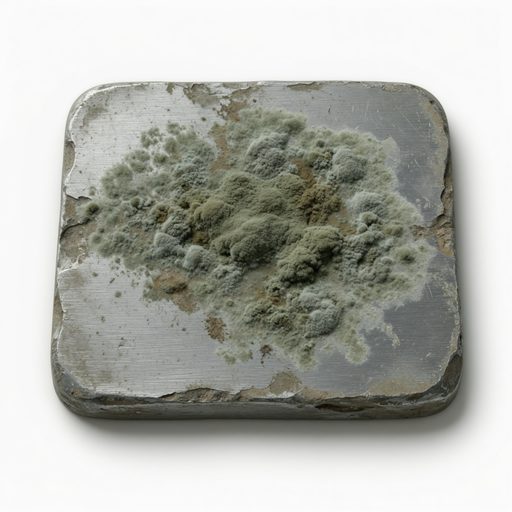
The "wet dog" smell in homes is usually caused by volatile organic compounds (VOCs) produced by mold and mildew. Certain mold species produce geosmin and other terpenes that closely mimic the musty, damp animal smell. The mold may be hidden behind walls, under flooring, or in the HVAC system.
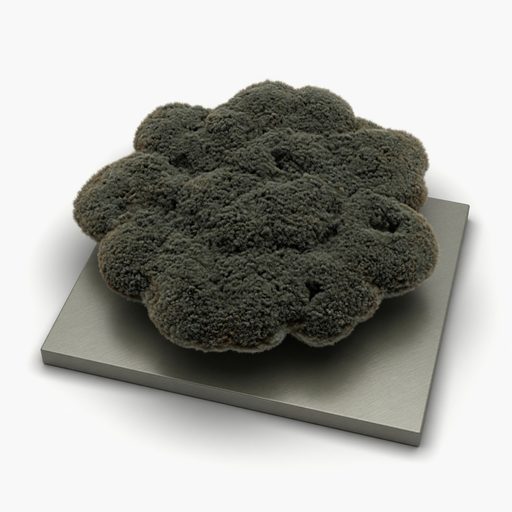
Standing water in condensate pans (AC units), drip trays, humidifiers, or even a forgotten glass of water develops bacteria that produce musty, animal-like odors. Damp carpeting from a past leak or poor ventilation traps moisture that breeds odor-causing organisms.
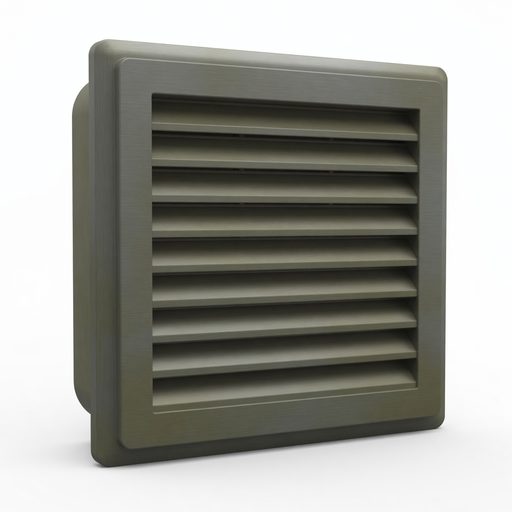
Dust, dead skin cells, pet dander, and moisture accumulate in ductwork over years. When the HVAC runs, warm or cool air blows over this accumulated organic matter, distributing a musty "wet dog" smell throughout the house.

If you have a dog, their natural oils and bacteria (the source of actual wet dog smell) transfer to carpets, furniture, curtains, and bedding. These oils accumulate over time and produce a permanent musty odor in the home even when the dog is clean.
How to Fix It
Quick Fix
$0-10Start here — solves most cases.
- 1Identify the most likely source based on the smell type and location.
- 2Clean, replace, or remove the offending source.
- 3Ventilate the area thoroughly.
- 4Monitor for recurrence over the next 24-48 hours.
Deep Clean
$10-50When the quick fix isn't sufficient.
- 1Thorough cleaning with appropriate products (baking soda, vinegar, enzyme cleaners).
- 2Address any hidden sources behind or beneath visible surfaces.
- 3Allow thorough drying and ventilation.
- 4Consider odor-absorbing products for residual smell.
Professional Help
$50-500When DIY methods aren't resolving the issue.
- 1Consult a professional for diagnosis if the smell persists.
- 2Professional-grade cleaning or remediation may be necessary.
- 3Follow their maintenance recommendations.
- 4Schedule follow-up if needed.
When to Call a Professional
Smell persists despite thorough cleaning — may indicate a hidden or serious source.
Accompanied by other symptoms — health symptoms, visible damage, or worsening conditions warrant professional evaluation.
Sudden onset with no obvious cause — investigate thoroughly or consult a professional.
How to Prevent It
Regular cleaning and maintenance — prevents buildup that causes odor.
Proper storage and ventilation — reduces moisture and bacterial growth.
Address issues promptly — small problems become bigger smells if ignored.
Understanding This Smell
Most persistent smells have a specific cause that can be identified and addressed. The key is systematic investigation — start with the most likely source.
Prevention is always easier and cheaper than remediation. Regular maintenance eliminates most odor problems before they start.
Frequently Asked Questions
Most household and body odors are unpleasant but not dangerous. However, some indicate safety concerns or health issues that warrant attention.
Quick fixes work within minutes to hours. Deeper issues may take days. Persistent smells may need professional help.
Yes — regular cleaning, proper ventilation, and addressing issues early prevents most odor problems.
When DIY methods fail after 1-2 attempts, or if the smell indicates a safety or health concern.