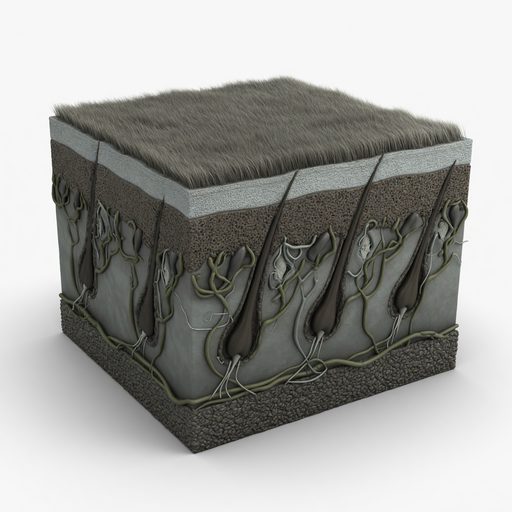
Most Likely Causes (Ranked)
Your scalp produces sebum (oil) continuously. Bacteria naturally present on the scalp — particularly Staphylococcus and Cutibacterium — feed on this oil and produce smelly byproducts. Product buildup from styling products traps more bacteria and oil.
Malassezia yeast naturally lives on the scalp but can overgrow, especially in oily conditions. This overgrowth causes dandruff, itching, and a distinctive musty or sour smell. It's the same fungus family that causes dandruff.
Washing too infrequently allows oil and bacteria to accumulate. But overwashing can also cause problems — stripping too much oil triggers the scalp to produce even more sebum. The issue may also be technique: shampooing hair length without actually scrubbing the scalp.
Hormonal changes (puberty, pregnancy, menopause) increase sebum production. Conditions like psoriasis, eczema, or hyperhidrosis (excessive sweating) can worsen scalp odor.
How to Fix It
Fix Your Washing Technique
$0The most common issue is technique, not frequency.
- 1Focus shampoo on the SCALP, not the hair length. Massage with fingertips for 60 seconds minimum.
- 2Use lukewarm water — hot water stimulates more oil production.
- 3Rinse thoroughly — residual shampoo feeds bacteria.
- 4For oily scalps: wash every other day. For dry scalps: 2-3 times per week with scalp focus.
- 5Let hair dry completely — damp scalp is a breeding ground for fungus and bacteria.
Use Clarifying/Antifungal Shampoo
$5-15Addresses both buildup and fungal causes.
- 1Use a clarifying shampoo once per week to strip product and oil buildup (Neutrogena Anti-Residue, $6-8).
- 2If dandruff is present: use ketoconazole shampoo (Nizoral, $12-15) 2x per week. Leave on scalp 3-5 minutes before rinsing.
- 3Tea tree oil shampoo ($8-12) has natural antifungal and antibacterial properties.
- 4Alternate between your regular shampoo and the medicated/clarifying one.
Apple Cider Vinegar Rinse
$0-3Natural antimicrobial scalp treatment.
- 1Mix 2 tablespoons apple cider vinegar with 1 cup water.
- 2After shampooing, pour the mixture over your scalp. Massage in for 30 seconds.
- 3Rinse thoroughly with cool water.
- 4The acidity kills bacteria and balances scalp pH. Use once per week.
- 5The vinegar smell dissipates as hair dries.
When to Call a Professional
Scalp smell persists despite proper washing and medicated shampoo — see a dermatologist. May need prescription treatment.
Red, inflamed, or painful scalp — possible infection requiring medical treatment.
Hair loss accompanying the smell — could indicate a more serious scalp condition.
Open sores or oozing on the scalp — infection. See a doctor.
How to Prevent It
Wash scalp properly — 60 seconds of massage, not just a quick lather.
Dry hair completely — never sleep with a wet scalp.
Weekly clarifying wash — removes buildup before it accumulates.
Limit heavy styling products — they trap oil and bacteria on the scalp.
Clean hats, pillowcases, and headbands regularly — they harbor scalp bacteria.
Why "No-Poo" Can Make Scalp Smell Worse
The "no-poo" movement (avoiding shampoo) can worsen scalp odor for many people. While some people's scalps self-regulate oil production over time, others experience bacterial and fungal overgrowth without regular cleansing.
If you're reducing shampoo use and notice a smell, your scalp may need more cleansing than the no-poo method provides. At minimum, use a gentle scalp scrub or co-wash that addresses the oil and bacteria without harsh sulfates.
Frequently Asked Questions
Usually only if they're very close. Scalp odor is most noticeable to you because your nose is closest to it. However, in enclosed spaces or during sweating, others may notice.
Dry shampoo absorbs oil temporarily but doesn't clean the scalp. Heavy use without regular washing leads to product buildup that worsens bacterial odor over time. Use dry shampoo as a bridge between washes, not a replacement.
Yes. High-fat diets increase sebum production. Garlic, onions, and spicy foods can affect body odor including scalp odor. Zinc deficiency can also worsen scalp conditions.
Dandruff (seborrheic dermatitis) produces oily, yellowish flakes and often has a smell. Dry scalp produces small, white, dry flakes without much odor. Dandruff responds to antifungal shampoo; dry scalp responds to moisturizing treatments.