
Most Likely Causes (Ranked)
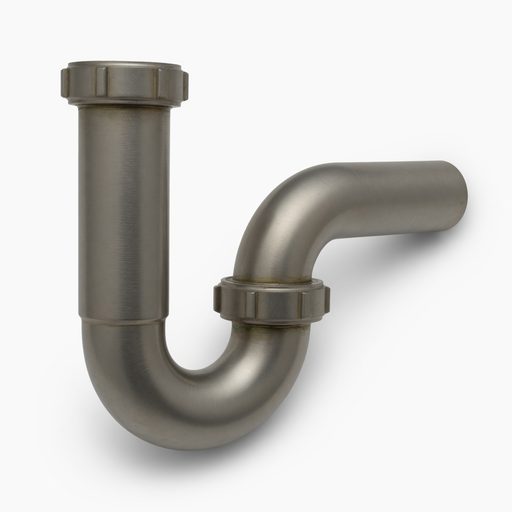
Every drain in your home has a U-shaped trap that holds a small amount of water — this water barrier blocks sewer gas from rising up through the drain. When a drain goes unused for weeks, the water in the trap evaporates, breaking the seal. Without the water barrier, hydrogen sulfide, methane, and other sewer gases can freely rise from the sewer system into your home. This is the most common cause of pipe smell in homes — especially in basement floor drains, guest bathroom fixtures, vacation homes, and any drain that isn't used regularly. The fix is completely free and takes 30 seconds.
Drains accumulate soap scum, hair, toothpaste, food particles, and body oils over time. Bacteria colonize this organic material and form a biofilm — a slimy layer that coats the inside of drain pipes. As the biofilm grows, the bacteria produce volatile organic compounds that smell musty, earthy, or sulfurous. Kitchen drains accumulate food-based biofilm that can smell rancid or food-like. Bathroom drains accumulate hair and soap scum biofilm that smells musty and body-odor-adjacent. The smell is typically strongest when running water, which aerates the biofilm and releases trapped odor compounds.

Tank water heaters contain a sacrificial anode rod (usually magnesium or aluminum) that corrodes preferentially to protect the steel tank. Sulfate-reducing bacteria that are naturally present in some water supplies react with the anode rod material, producing hydrogen sulfide — giving the hot water a rotten egg smell. This problem is more common in homes on well water or in areas with naturally higher sulfate concentrations. The key diagnostic: if only hot water smells (not cold), the water heater is the source.
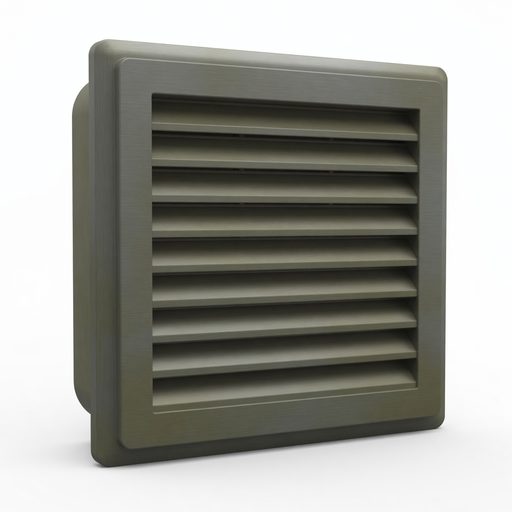
Drain pipe vent stacks run from the drain system up through the roof to allow air into the system (preventing P-trap siphoning) and sewer gases out (above the roofline). If a vent becomes blocked — by bird nests, leaves, ice, or a collapsed section — the system can't equalize pressure, P-traps get siphoned empty by draining water, and sewer gas finds alternative exits through drains, toilets, and floor drains. A blocked vent also typically causes gurgling sounds from drains and toilets when water drains elsewhere in the house.
Drain pipes can crack from age (especially older cast iron and clay pipes), ground settlement, root intrusion, or physical damage. A crack in a drain pipe within the walls or under the floor allows sewer gas to escape into the home structure. This smell can be elusive — it seeps through walls, floors, and mechanical spaces rather than rising from a specific drain opening. A sewage smell that permeates the entire house without a clear source, or that's strongest near walls rather than at drain openings, suggests a cracked pipe.
How to Fix It
Refill P-Traps Immediately
FreeDo this first — it fixes the most common cause in under a minute.
- 1Identify all drains in the house that don't see regular use: basement floor drains, guest bathroom sinks and showers, utility sinks, laundry room floor drains, and crawlspace drains if any.
- 2Run each tap for 30-60 seconds to thoroughly refill the P-trap below.
- 3Add a tablespoon of cooking oil or mineral oil to the drain — the oil floats on top of the water seal and dramatically slows evaporation, keeping the trap sealed for months.
- 4Going forward: run water in all seldom-used drains for 15-30 seconds once a month.
- 5For basements and vacation homes: install an automatic P-trap primer ($30-50) that maintains water level in floor drain traps without manual intervention.
Clean Biofilm from Drains
Free-$10Removes the organic buildup causing musty or organic drain smell.
- 1Pour a full kettle of just-boiled water down the drain slowly. This softens and partially dissolves the biofilm.
- 2Follow with 1/2 cup baking soda pushed down the drain with a spoon, then 1/2 cup white vinegar. Let the fizzing reaction work for 15-30 minutes.
- 3Flush with another kettle of hot water.
- 4For kitchen sink garbage disposal drains: grind a cup of ice cubes with coarse salt to scour the disposal chamber, then run cold water. Follow with baking soda and vinegar. Or use commercial disposal cleaning tablets.
- 5For hair-clogged bathroom drains: use a plastic drain hair catcher tool ($3-5) to physically remove the hair and soap scum that's the substrate for the biofilm. Cleaning tools that look like long flexible brushes work better than chemicals for hair.
- 6Enzymatic drain cleaners (Bio-Clean, Green Gobbler Enzyme) applied monthly prevent biofilm accumulation without damaging pipes.
Fix Anode Rod in Water Heater
$20-40 DIYIf only hot water smells, this fixes the sulfur problem at the source.
- 1Turn off power/gas to the water heater.
- 2Flush the tank completely by connecting a garden hose to the drain valve and running water until clear. This removes sediment that harbors the sulfate-reducing bacteria.
- 3Replace the magnesium anode rod with an aluminum/zinc combination anode rod — aluminum/zinc rods are less reactive with sulfate-reducing bacteria, dramatically reducing H2S production.
- 4The anode rod is accessed from the top of the water heater with a 1-1/16 inch socket wrench. It may be very tight from mineral scale — apply penetrating oil if needed.
- 5After replacement, fill the tank, restore power/gas, and run all hot water taps for 5 minutes to flush the system.
- 6As a temporary measure: increase water heater temperature to 160°F for 8 hours to kill the bacteria, then lower to 120°F for safety. Note: this is a temporary fix, not a permanent solution.
Check and Clear Vent Pipes
Free (DIY) / $150-300 (plumber)If gurgling is present and P-trap refilling doesn't help, clear the vent.
- 1Safely access the roof and locate vent pipe outlets.
- 2Look down with a flashlight for obvious blockages. Use a garden hose to flush water down the vent.
- 3If blockage persists, a plumber's snake or a plumber can clear it.
- 4Install vent pipe guards ($10-20) to prevent future blockages from birds and debris.
When to Call a Professional
Strong sewer smell throughout the house, not just at drains — this suggests a cracked sewer line. Call a plumber for a smoke test.
Gurgling from multiple drains simultaneously — indicates a blocked vent or main line issue. Call a plumber.
Sewer smell combined with slow drains throughout the house — main sewer line blockage. Stop using plumbing and call a plumber.
How to Prevent It
Run water in all drains monthly — especially seldom-used floor drains and guest fixtures.
Use enzyme drain cleaner monthly in kitchen and bathroom drains — prevents biofilm from accumulating.
Flush the water heater annually — removes sediment that harbors sulfate-reducing bacteria.
Install P-trap primers on floor drains — automatic maintenance for drains that see infrequent use.
Diagnosing by Smell Type
Rotten eggs or sewage smell near specific drains: start with P-trap refilling. If that doesn't help, suspect venting issues or a cracked line.
Musty/organic smell when water runs: biofilm in the drain line. Clean with baking soda, vinegar, and an enzyme cleaner.
Rotten eggs from hot water only: anode rod reaction in the water heater. Replace the rod.
Sewer smell throughout the house without a clear drain source: possible cracked pipe. Call a plumber for a smoke test.
Seasonal sewer smell (worse in winter): often a frozen or blocked roof vent that improves as ice thaws.
Frequently Asked Questions
If cleaning the drain doesn't help, the source is likely not the drain itself. Check: is the P-trap full? (Run water for 30 seconds.) Is there a vent issue? (Does it gurgle when other fixtures drain?) Is the smell strongest in the morning after the drain has sat overnight? A plumber's smoke test can definitively locate the source of any elusive sewer smell.
The most common reason: during the overnight period, no water flows through the system, and any partially dried P-traps fully dry out, allowing sewer gas to enter. The smell is strongest at the beginning of the day. After the first morning use of fixtures, the traps refill and the smell dissipates. Adding oil to drain traps helps maintain the seal through the night.
Bleach kills bacteria and temporarily reduces drain smell, but it doesn't remove the organic material that bacteria feed on. The smell returns quickly as bacteria repopulate. Enzyme-based drain cleaners are more effective long-term because they break down the organic biofilm. Bleach is also harmful to septic systems and can corrode older pipes with repeated use.
A single smelly drain is almost always a P-trap or biofilm issue specific to that drain — not a whole-system problem. If it's a seldom-used fixture, refill the P-trap. If it's a regularly used drain, clean the biofilm with baking soda and vinegar or an enzyme cleaner. If the smell persists after both steps, there may be a localized crack in that drain's pipe.