Common Causes (Ranked by Likelihood)

Septic tanks should be pumped every 3–5 years depending on household size. When a tank fills beyond its operational level, solids escape into the drain field, gases build up excessively, and odors become noticeable both inside and outside. An overfull tank is the leading cause of septic odor.
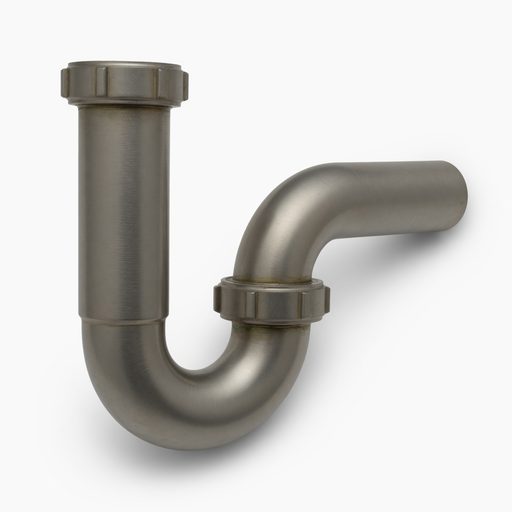
Every drain in your home has a P-trap — a U-shaped pipe that holds water and creates a water seal against sewer gases. In vacation homes, seasonal properties, or rarely used bathrooms, P-traps dry out, eliminating the barrier and allowing septic gases to enter the living space. This is a surprisingly common cause of indoor septic smell.
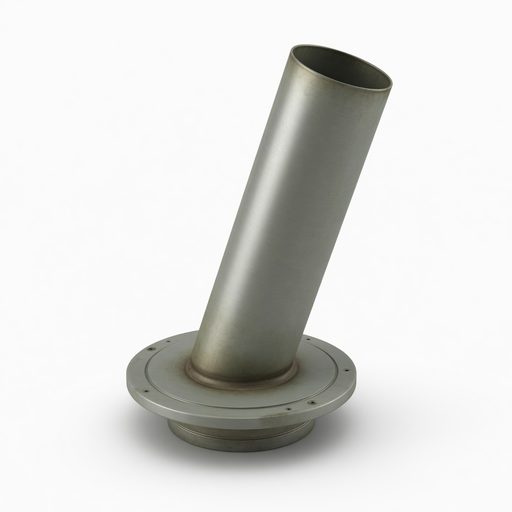
Every septic system has a vent pipe that runs through the roof to release sewer gases outside. If this vent is blocked by debris, ice, bird nests, or a dead animal, gases back up into the house through drains, toilets, and any weak seal. A cracked or damaged vent pipe has the same effect.
The drain field (leach field) is where liquid effluent from the tank is distributed and filtered through the soil. If the drain field becomes saturated, clogged with solids, or damaged by tree roots, liquid backs up or surfaces on the ground. This creates a strong, persistent sewage smell above and around the drain field area.
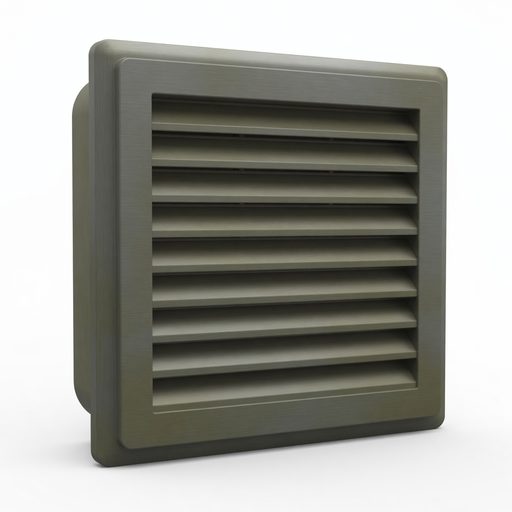
The concrete or fiberglass lid of a septic tank can crack with age, frost heaving, or vehicle traffic above it. A cracked lid allows gases to escape directly from the tank. Similarly, a broken inlet baffle causes solids to flow directly into the tank without proper separation, accelerating filling and gas production.
Heavy rainfall saturates the soil around and in the drain field, temporarily preventing it from absorbing effluent. This backs up liquid in the tank, increases gas pressure, and can force gases through drains and vents into the house. The smell usually resolves within 24–48 hours after rain stops and the soil drains.
Septic tanks rely on a colony of anaerobic bacteria to break down waste. Flushing large amounts of antibiotics (via high-dose treatment or disposing of unused medications), bleach, or strong disinfectants down the drain can kill these bacteria. Without bacterial activity, solids accumulate faster and odor-producing gases increase.
How to Fix It
Pump the Tank
$300–$600If the tank hasn't been pumped in 3–5 years, this is always the first step.
- 1Locate your septic tank — check your property survey or contact your local health department for records.
- 2Call a licensed septic pumping company to pump the tank.
- 3Ask the pumper to inspect the inlet and outlet baffles and the tank lid for cracks while they're on-site.
- 4Record the date for future reference — schedule the next pump in 3–5 years.
- 5After pumping, flush all drains and run water to restore proper water levels in the tank.
Run Water in Unused Drains
FreeFixes dried P-traps — this takes 30 seconds and can completely resolve indoor septic smell.
- 1Identify all floor drains, utility sinks, guest bathrooms, and laundry sinks that are rarely used.
- 2Run water in each one for 30–60 seconds to refill the P-trap water seal.
- 3For floor drains you can't easily check, pour a cup of water directly into the drain.
- 4Add a small amount of mineral oil to rarely-used drains — it floats on top of the water seal and significantly slows evaporation.
- 5Check and repeat monthly for drains in unoccupied spaces.
Inspect and Clear the Vent Stack
Free if DIY | $75–$150 if hiredA blocked vent stack is a common cause of whole-house septic smell that's easily missed.
- 1Access your roof safely and locate the vent stack pipe (typically 3–4 inch diameter pipe extending above the roof).
- 2Look for and remove any debris, animal nests, or visible blockages from the top of the vent.
- 3Use a garden hose or plumber's snake to clear the pipe if blocked below the roofline.
- 4In winter climates, ice blockage is common — pouring hot water into the vent can clear it.
- 5If you can't access the roof safely, call a plumber.
Inspect the Drain Field
Inspection free | Repair: $2,000–$15,000+A failing drain field is a serious problem requiring professional assessment.
- 1Walk over the drain field area and check for wet, mushy, or spongy ground.
- 2Look for sewage surfacing above ground — this is a health hazard and requires immediate professional attention.
- 3Have a septic professional inspect the drain field with a camera or soil testing if you suspect failure.
- 4Drain field restoration treatments exist for mildly clogged fields — professionals can inject bacterial enzymes or mechanically aerate the soil.
- 5Severely failed drain fields require replacement — a significant investment.
When to Call a Professional
Surfacing sewage above the drain field is a public health hazard — keep children and pets away from the area and call a septic professional immediately.
A failed drain field cannot be DIY-repaired — continuing to use the system accelerates the damage and increases repair costs.
Indoor septic gas (hydrogen sulfide) at high concentrations is toxic — if the smell is very strong or you feel nauseous/dizzy, ventilate the house and call a professional.
Cracked or uncovered septic tank lids are a fall hazard — never walk above the tank area if the lid condition is unknown.
How to Prevent It
Pump your septic tank every 3–5 years, or every 2–3 years for large households.
Never flush wipes (even 'flushable' ones), feminine hygiene products, medications, or grease down the drain.
Run water in all drains monthly if the property is not used regularly.
Avoid planting trees or deep-rooted shrubs above the drain field.
Divert roof gutters and surface runoff away from the drain field to prevent saturation.
Use septic-safe toilet paper and avoid excessive use of antibacterial products.
Frequently Asked Questions
The main gas is hydrogen sulfide, which at low concentrations smells like rotten eggs but is relatively harmless. At higher concentrations it can cause headaches, nausea, and eye irritation. Extremely high concentrations (rare) can be dangerous. If the smell is very strong or you feel ill, ventilate and call a professional.
A newly pumped tank smells for a few days as the bacterial colony re-establishes itself. The tank is temporarily empty of bacteria, so gases from remaining waste are more noticeable until bacterial activity resumes. This typically resolves within a few days.
Septic tank additives marketed to reduce odor have mixed evidence. The most effective approach is maintaining proper bacterial balance — avoid killing bacteria with antibiotics, bleach, or chemicals. If your bacterial colony has been disrupted, commercial septic starter products containing live bacteria can help restore balance faster.
Septic gases accumulate overnight when temperature changes cause gas contraction and expansion, and when household water use drops (allowing P-traps to be their least disturbed). Morning is when gas pressure in the system is highest. This is normal to a degree — very strong morning odor suggests a P-trap or vent issue.
If the fix is simply pumping the tank, $300–$600. Running water in dried P-traps is free. Clearing a vent stack is free to $150. Drain field issues range from $500 for enzyme treatments to $5,000–$25,000+ for full replacement. Always start with the cheapest diagnosis (pumping, P-traps, vent check) before assuming the worst.