Most Likely Causes (Ranked)
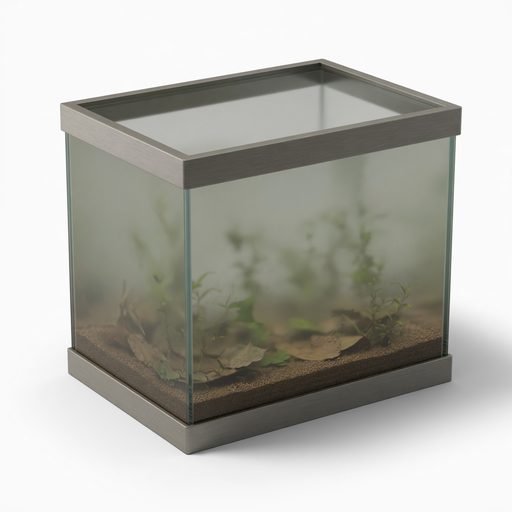
Uneaten food, dead plant material, and fish waste decompose on the substrate and in the filter. Anaerobic bacteria in oxygen-depleted zones (deep gravel, clogged filter media) produce hydrogen sulfide and ammonia. A healthy aquarium has a clean, earthy smell — any foul odor means the biological balance is off.
A dead fish decomposing in the tank produces a rapid, intense smell. In heavily planted or decorated tanks, a dead fish can go unnoticed for days. Even a small dead snail can produce a surprising amount of odor as it decomposes.
An undersized filter, a filter that hasn't been cleaned, or insufficient water changes allows ammonia and nitrite to accumulate. The nitrogen cycle breaks down, and beneficial bacteria can't keep up with waste production. The result is a buildup of toxic, smelly compounds.
Cyanobacteria (often called blue-green algae) produce a distinctive swampy, musty smell. They form slimy sheets on substrate, decorations, and glass. Unlike regular algae, cyano is actually bacteria and indicates nutrient imbalance (often high organics with low nitrate).
How to Fix It
Quick Fix
$0-10Start with the easiest solution.
- 1Identify the most likely source based on the smell characteristics.
- 2Address the immediate cause — clean, replace, or remove the offending item.
- 3Monitor to see if the smell returns.
- 4If it persists, move to deeper investigation.
Deep Clean
$10-50When the quick fix isn't enough.
- 1Thorough cleaning of the affected area or item.
- 2Use appropriate cleaning agents — baking soda for odor absorption, vinegar for disinfecting.
- 3Address any hidden sources of the smell.
- 4Allow thorough drying and ventilation.
Professional Help
$50-500When DIY methods don't resolve it.
- 1If the smell persists despite cleaning, consult a professional.
- 2They can identify hidden causes and provide targeted solutions.
- 3Professional equipment and methods are more thorough than DIY.
- 4Follow their maintenance recommendations to prevent recurrence.
When to Call a Professional
Smell persists despite cleaning — may indicate a hidden or serious source.
Accompanied by other symptoms — pain, discharge, or visible damage suggests a bigger issue.
Sudden onset with no obvious cause — investigate thoroughly or consult a professional.
How to Prevent It
Regular cleaning and maintenance — prevents buildup that causes odor.
Proper storage and ventilation — reduces moisture and bacterial growth.
Address issues promptly — small problems become big smells if ignored.
Understanding the Source
Most persistent smells have a specific cause that can be identified and addressed. The key is systematic investigation — start with the most likely cause and work through possibilities.
Prevention is always cheaper and easier than remediation. Regular maintenance and proper care eliminate most odor problems before they start.
Frequently Asked Questions
Most odors are unpleasant but not dangerous. However, some (gas leaks, chemical smells, signs of infection) warrant immediate attention.
Quick fixes work within minutes to hours. Deeper issues may take days. Persistent smells despite cleaning may need professional intervention.
Yes — regular cleaning, proper ventilation, and prompt attention to small issues prevents most odor problems.
When DIY methods don't resolve the smell after 1-2 attempts, or if the smell indicates a safety concern.