Common Causes (Ranked by Likelihood)
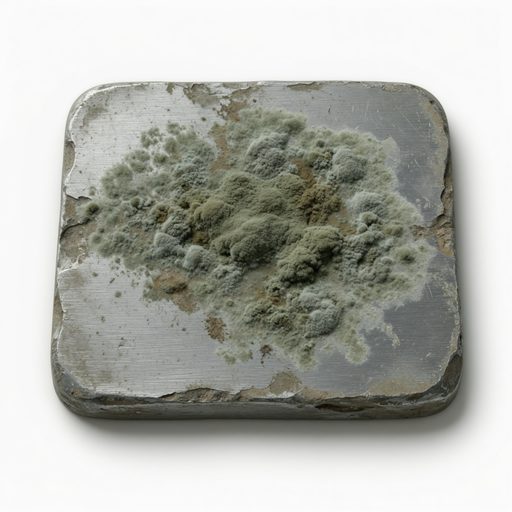
Closets on exterior walls or in humid climates frequently develop mold on the back wall, floor corners, and on stored clothing and boxes. The mold produces the characteristic musty-earthy smell. Because closets are sealed most of the time, humidity builds up from clothing and the building envelope — easily exceeding the 60% threshold for mold growth. Items stored against the back wall are especially vulnerable.
Clothing stored while still slightly damp (from washing, sweat, or rain), or stored for long periods, develops a musty smell from bacterial and fungal growth in the fabric. Synthetic fabrics are particularly prone to retaining body odor compounds that continue to off-gas when stored. Wool and natural fibers are more prone to mold and mildew if stored with any moisture content.
Body odor compounds (from skin contact with clothing), shoe odors, and off-gassing from stored materials all accumulate in a closet that's never aired out. These compounds aren't dangerous but build up over time into a general stale, musty-sweaty smell. Closets with no ventilation slots or gaps under the door are worst affected.
Footwear is one of the most odor-dense items stored in closets. Shoes trap sweat, skin cells, and bacteria — and when stored in an enclosed space, the accumulated odor amplifies. Athletic shoes, work boots, and any footwear worn without socks are the worst offenders. The smell is a mix of sweaty-bacterial and rubber/leather off-gassing.
Naphthalene or paradichlorobenzene mothballs produce an extremely potent, penetrating smell that saturates everything in the closet — and spreads to clothing that can then carry the smell for months. Mothballs are effective against moths but the smell is nearly universally considered unpleasant. Cedar alternatives provide moth protection without the chemical smell.
Cardboard boxes, old wrapping paper, newspaper packing, and paper-based storage items absorb moisture and produce a musty, earthy smell as they age and slightly decompose. They also attract silverfish and other insects that contribute to odor. Switching from cardboard to plastic bins dramatically reduces this odor source.
How to Fix It
Deep Clean and Dry the Closet
$5-20Foundation step — clean before deodorizing.
- 1Remove everything from the closet. Vacuum all surfaces including walls, corners, and floor.
- 2Wipe all hard surfaces with white vinegar solution (1:1 vinegar:water) or a TSP substitute cleaner. Vinegar kills surface mold and neutralizes odor compounds.
- 3For visible mold: scrub with bleach solution (1 cup per gallon), allow to dry completely with the closet open.
- 4Allow to air out completely — leave the closet open for 24-48 hours with good room ventilation before returning items.
- 5Before returning items: launder all clothing, replace cardboard boxes with plastic bins, and wipe down shoes.
Improve Ventilation
$0-50The most sustainable long-term fix.
- 1Leave the closet door ajar or fully open for several hours weekly — simple but highly effective.
- 2If the closet has solid doors: install louvered doors ($50-200) to allow passive air circulation.
- 3Alternatively, drill a few 1-inch holes near the top and bottom of the door and cover with small decorative grilles.
- 4Place a small battery-operated fan inside the closet to run periodically — especially effective in humid climates.
- 5Keep items at least 2 inches from the back wall to allow air circulation behind stored clothing.
Moisture Absorption
$5-30For humidity-driven mold and musty smell.
- 1Place a moisture absorber (DampRid, silica gel packs, or activated charcoal) in the closet. Replace/recharge per package instructions.
- 2Cedar blocks or cedar hangers absorb some moisture and repel moths with a pleasant natural fragrance — reactivate by sanding lightly when scent fades.
- 3Baking soda in an open container absorbs odors passively — replace every 30 days.
- 4For persistent high humidity: use a small dehumidifier or place calcium chloride-based crystals in the space.
- 5Ensure the closet wall is sealed — if it's an exterior-facing wall, check for condensation or seepage.
Shoe Deodorization
$5-20Specifically for shoe-driven closet odor.
- 1Sprinkle baking soda inside shoes, leave overnight, shake out in the morning.
- 2Alternate pairs of shoes — never store the same pair two days in a row without airing. Allow 24 hours minimum between wears.
- 3Store shoes in breathable fabric bags or open racks, not sealed boxes.
- 4Cedar shoe inserts or activated charcoal inserts absorb shoe odor passively.
- 5Wash athletic shoes periodically — most can go in the washing machine on cold/gentle.
When to Call a Professional
Mold on back wall that returns after cleaning — moisture is entering through the wall; inspect exterior drainage and consider an anti-mold paint or vapor barrier.
Smell with visible water staining or damp patches on walls — water intrusion from exterior; address before closet remediation.
Strong chemical smell from mothballs previously used — requires full airing, washing all clothing, and leaving closet open for days to weeks; mothball chemicals are persistent.
How to Prevent It
Never store clothing that isn't completely dry — even slightly damp items mold in a sealed closet.
Wash seasonal clothing before long-term storage — body oils and invisible sweat deposits develop odor and attract moths over months.
Leave closet door ajar periodically — simple ventilation prevents accumulation.
Use cedar instead of mothballs — equally effective, far more pleasant.
Replace cardboard with sealed plastic bins — eliminates a major musty odor source and protects against insects.
Why Closets Smell Worse in Summer
Humidity is the key variable. In summer, indoor relative humidity climbs — even with air conditioning — and mold growth on any organic surface accelerates. Clothing slightly damp from being worn briefly before storing, or just from ambient humidity absorption, develops mold odor much faster than in dry winter air. The closet's sealed environment means this humidity has nowhere to go.
The practical fix: in humid months, run a dehumidifier in the bedroom and leave the closet door open more frequently. If the closet is on an exterior wall, consider a small charcoal or silica gel moisture absorber inside. These simple steps prevent the summer closet smell cycle that many people experience annually.
Frequently Asked Questions
If the smell returns after cleaning, there's an active moisture source: condensation on an exterior wall, residual mold in drywall (not just on the surface), or humidity from stored items and poor ventilation. Try leaving the closet open for 24-48 hours — if the smell improves significantly with airing, it's a ventilation problem. If not, check for moisture behind the walls.
Remove all mothballs and any items they were stored with. Wash all clothing. Wipe all surfaces with white vinegar. Leave the closet open with a fan running for several days. Place activated charcoal absorbers inside. Mothball chemicals (naphthalene or paradichlorobenzene) are persistent — complete removal can take 1-2 weeks of active airing.
Yes — cedar contains natural oils (thujopsene) that repel moths and produce a pleasant natural fragrance. They also absorb some moisture. The moth-repelling effect requires close contact with fabrics. Cedar loses effectiveness as the oils evaporate — reactivate by sanding lightly with fine sandpaper to expose fresh wood. Replace every 2-3 years for maximum effectiveness.
Usually one of three causes: the clothing was stored slightly damp (sweat or incomplete drying), ambient humidity in the closet caused surface mold growth on the fabric, or the closet itself has a mold or musty smell that the fabric absorbed. Wash and fully dry all affected clothing, address the closet odor source, and ensure clothing is completely dry before storing.