Common Causes (Ranked by Likelihood)
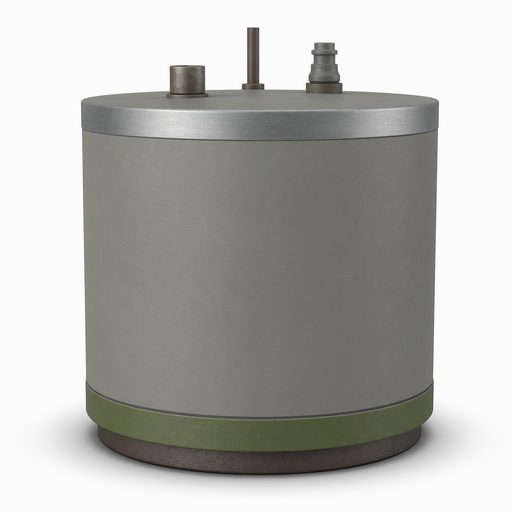
Older tank-style water heaters use a standing pilot light — a small flame that burns continuously to ignite the main burner when heat is needed. If the pilot goes out (from a draft, dirty thermocouple, or thermocouple failure), gas continues to flow briefly before the safety valve shuts it off. Some gas may accumulate before shutoff, and if the thermocouple is faulty, gas may flow continuously without igniting.
The threaded gas fittings on the supply line, flex connector, and gas control valve can loosen over time from vibration, thermal expansion/contraction, or corrosion. Even a micro-gap at a fitting allows gas to seep continuously. Flex connectors (the corrugated metal hose connecting the gas line to the heater) can also develop cracks with age.
The gas control valve (the large dial/knob assembly on the front of the water heater) regulates gas flow to the pilot and main burner. Internal failure can cause gas to leak past the valve seals, even when set to OFF. Honeywell and Rheem have issued recalls on certain gas valves. A failing valve may also fail to shut off gas to the pilot when the thermocouple signal is lost.
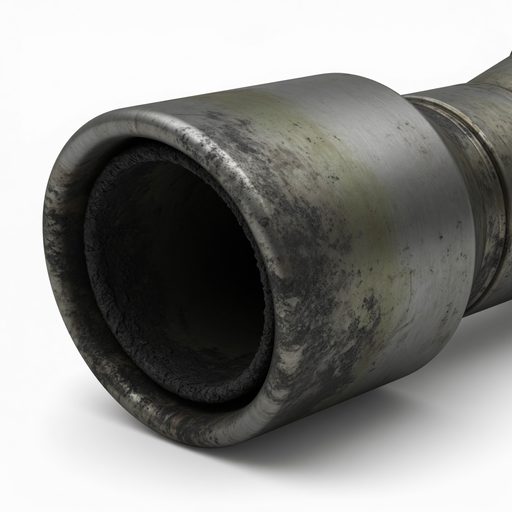
Gas water heaters vent combustion gases through a flue pipe to the outside. If the flue is blocked, disconnected, or experiencing backdraft (from negative house pressure, wind, or competing exhaust fans), combustion gases — including sulfur compounds from combustion — can flow back into the room instead of venting outside. This also introduces carbon monoxide.
How to Fix It
Check and Relight Pilot (If Safe)
$0Only if the smell is faint and you're confident it's a pilot light issue.
- 1Turn the gas control knob to OFF and wait 10 minutes for any accumulated gas to dissipate.
- 2If you still smell gas after 10 minutes, do NOT attempt to relight — call your gas company.
- 3If the smell has cleared, follow the relighting instructions on your water heater's label.
- 4If the pilot won't stay lit after relighting, the thermocouple likely needs replacement ($15-30 part, $100-200 for a service call).
Check Gas Connections
$0-20For suspected connection leaks.
- 1Mix dish soap with water and apply to every gas fitting, connection, and the flex line with a brush or spray bottle.
- 2Bubbles forming at any point indicate a gas leak.
- 3If you find a leak at a threaded connection, you can try tightening it with a wrench (turn off gas first).
- 4If the flex connector shows any damage, corrosion, or is over 10 years old, replace it ($15-25 part).
Call a Professional
$100-400+For valve failure, flue issues, or if you're unsure.
- 1Your gas company will inspect for free — call the number on your gas bill.
- 2A plumber can replace the gas control valve ($200-400) or the thermocouple ($100-200).
- 3If the flue is the issue, an HVAC technician can inspect and repair the venting ($100-300).
- 4For water heaters over 12 years old with valve or flue issues, replacement is often more cost-effective ($800-1,500 installed for a new tank unit).
When to Call a Professional
Strong gas smell — can smell it from across the room — evacuate and call gas company. Don't touch switches.
Gas smell with the control valve set to OFF — valve failure. Shut off the gas supply line valve and call a professional.
Soot or black marks around the flue — backdrafting is occurring, introducing CO into your home. Stop using until fixed.
CO detector alarming — shut off gas, open windows, evacuate, call gas company and 911.
How to Prevent It
Annual water heater inspection — check gas connections, flue, anode rod, and thermocouple.
Replace flex connectors every 10 years — they corrode and crack with age.
Keep the area around the water heater clear — 12 inches minimum clearance for ventilation.
Install a natural gas detector low to the ground near the water heater (gas is heavier than air).
Replace water heaters over 12-15 years old — failure risk increases significantly.
Tank vs. Tankless: Gas Smell Differences
Traditional tank water heaters have a pilot light (older models) or hot surface igniter (newer models) that lights the main burner when the tank temperature drops. The pilot light is the most common source of gas smell — when it goes out, gas can briefly escape. Modern direct-vent and power-vent models have sealed combustion chambers that reduce this risk.
Tankless (on-demand) water heaters don't have a standing pilot light — they use electronic ignition that only fires when hot water is requested. This eliminates the most common cause of gas smell. However, tankless units can still have connection leaks and venting issues.
Regardless of type, a gas smell from a water heater should never be ignored. Even a small, slow leak can accumulate in an enclosed space (closet, utility room, basement) to dangerous concentrations. Natural gas is lighter than air and rises, but in enclosed spaces it can accumulate at any level. A gas detector placed near the floor in the water heater area provides an important early warning.
Frequently Asked Questions
No. A properly functioning gas water heater should not produce any noticeable gas smell. If you smell gas near your water heater, something needs attention — a pilot light out, a loose connection, or a failing component.
If you smell only a faint whiff of gas and it clears after turning the knob to OFF for 10 minutes, you can follow the relighting instructions on the unit. If gas smell persists after 10 minutes, do NOT attempt to relight — call your gas company. When in doubt, call a professional.
Thermocouple replacement: $100-200. Gas control valve: $200-400. Flex connector: $15-25 (DIY) or $100-150 (plumber). If the unit is over 12 years old, replacement ($800-1,500) may be more economical than repair.
Yes. A combustible gas detector ($30-50) placed near the floor in the water heater area provides early warning of leaks that might be too small to smell. Combined with a CO detector, this covers both explosion and poisoning risks.