Does this match what you’re noticing?
“Generator running in a garage, basement, shed or carport, or within 20 feet of the house, often during a storm outage”
Where Carbon Monoxide Comes From (Ranked)
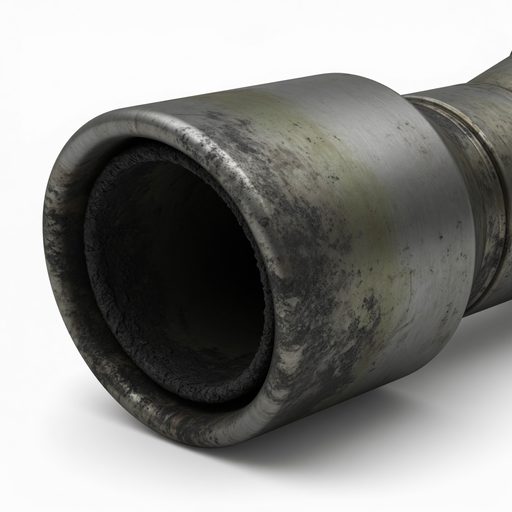
Portable generators are the single largest consumer-product source of CO deaths in the U.S. CPSC's 2023 report linked them to an estimated 765 non-fire CO poisoning deaths from 2009 to 2019, or 40% of all CO deaths tied to consumer products under CPSC jurisdiction, and CPSC says an average of nearly 100 consumers die each year from generator CO23. The common pattern is a power outage followed by a generator in a garage, basement, crawlspace or shed, or just outside an open window. Open doors or windows do not provide enough ventilation2.
Heating systems are the second-largest category in CPSC's data: 69 deaths, or 28% of consumer-product CO deaths, in 20192. EPA lists leaking chimneys and furnaces, back-drafting from furnaces, and worn or poorly maintained boilers and furnaces with 'improperly sized, blocked, disconnected, or leaking flues' as key indoor CO sources4. More than half of CO deaths occur in November through February, when heating equipment is running2. Snow piled against outside vents can block exhaust and push CO back into the house3.

Warming up a car or truck in an attached garage sends exhaust into the house through doors, gaps and shared walls. EPA names vehicle exhaust from attached garages as a major indoor CO source4. NFPA says to drive a vehicle out of the garage right after starting it and never run a vehicle or other fueled engine indoors, even with the garage door open8. Mayo Clinic gives the same rule: 'Never leave a car running in the garage, especially if the garage is attached to the house'6. A tailpipe blocked by snow can also push CO into the cabin and nearby spaces8.

EPA lists back-drafting from gas water heaters as a common indoor CO source4. A water heater that is not drawing properly can spill combustion gases at the draft hood instead of up the flue, especially in a tight utility closet or when exhaust fans depressurize the house. CPSC urges annual professional inspection of all fuel-burning appliances including water heaters, and the Minnesota Department of Health lists melting plastic caps on the water heater and excess moisture and rust as signs of poor venting211.
A gas range is a combustion appliance in the middle of your living space. EPA reports that CO levels near properly adjusted gas stoves are often 5 to 15 ppm, and 'may be 30 ppm or higher' near poorly adjusted stoves, versus 0.5 to 5 ppm in homes without gas stoves4. Running the oven with the door open to heat a room is a well-known cause of poisoning; NFPA, Mayo Clinic and CDC all say never use an oven or gas stove to heat your home68. Unvented kerosene and gas space heaters carry the same risk4.
Fireplaces and wood stoves need a clear path outside. EPA lists back-drafting from wood stoves and fireplaces as an indoor CO source, and NFPA says to open the flue when using a fireplace and keep dryer, furnace, stove and fireplace vents clear of snow48. Mayo Clinic advises cleaning the chimney and flue every year and making sure tarps or debris are not covering vents during remodeling6. Charcoal is a separate hazard: CPSC says never use charcoal indoors and do not cook on a charcoal grill in a garage, even with the door open3.
How to Fix It
If a CO alarm sounds or people feel sick: get out and call from outside
$0CPSC: 'Never ignore an alarm when it sounds. Get outside immediately. Then call 911.' Mayo Clinic: 'If the alarm sounds, believe it!'36
- 1Move everyone, including pets, to fresh air outdoors right away. If you cannot get out, go to an open window or door and stay there8.
- 2Make sure everyone in the home is accounted for811.
- 3Call for help from the fresh-air location, not from inside; Cleveland Clinic: 'Don't stay indoors to call'7. If anyone has symptoms, call 911 or your local fire department; if everyone feels fine, call your gas utility11.
- 4Do not go back inside until emergency personnel say it is safe8.
- 5Anyone with headache, dizziness, nausea, confusion or who lost consciousness needs medical care now; call 911 if a person is unresponsive. Treatment is oxygen given by medical professionals, not something to do at home69.
- 6Before anyone sleeps in the house again, have a qualified professional find and repair the source and check any appliance that may have caused it6.
Install CO alarms the way CPSC and NFPA specify
$20-50CPSC recommends every home have at least one CO alarm meeting the current UL 2034 standard; a detector is a back-up to proper appliance maintenance, not a replacement for it5.
- 1Buy alarms labeled to UL 2034 (or the equivalent IAS 6-96) from a recognized testing laboratory58.
- 2Install one on each level of the home and outside each separate sleeping area; CPSC says not in attics or basements unless they include a sleeping area1. Some states set a legal minimum; Minnesota, for example, requires an operating alarm within 10 feet of every room used for sleeping11.
- 3Follow the manufacturer's instructions for mounting height and location8.
- 4Choose interconnected alarms where possible: 'when one sounds, they all sound'28. Battery-operated or battery-backup units keep working in an outage3.
- 5Test every alarm monthly. Replace batteries at least once a year, or use sealed 10-year battery units12.
- 6Replace the whole alarm per the manufacturer, typically every 5 to 7 years; CO sensors wear out11.
- 7Learn the sounds: four loud beeps repeating means CO detected; a single chirp every 30 to 60 seconds means low battery10.
Prevent CO at the source: annual inspection and safe fuel-burning habits
Annual service cEPA: 'It is most important to be sure combustion equipment is maintained and properly adjusted'4.
- 1Have a trained professional inspect, clean and tune up the furnace or boiler, flues and chimney every year before cold weather; CPSC and EPA say the same for all fuel-burning appliances including water heaters, stoves, fireplaces, clothes dryers and space heaters245.
- 2Keep snow and debris cleared away from outside vents for furnaces, water heaters, dryers and fireplaces during and after storms38.
- 3Run portable generators outdoors only, at least 20 feet from the house, away from windows, doors and vents. Never in a home, garage, basement, crawlspace or shed2.
- 4Never idle a vehicle in the garage, even with the door open; drive out right after starting8.
- 5Never use a gas oven, stove, charcoal grill, camp stove or unvented space heater to heat a room368.
- 6Open the flue when using a fireplace; use properly sized, EPA-certified wood stoves with tight doors; install and use an exhaust fan vented outdoors over a gas stove4.
When to Call a Professional
Call 911 immediately if anyone is confused, has lost muscle control, fainted, or cannot be woken; Mayo Clinic says call emergency services right away if the person is not conscious or cannot respond, and warns CO 'can cause brain damage or death before anyone realizes there's a problem'6.
Go to the ER (or call 911) for the CO symptom cluster even if no alarm went off: headache, weakness, dizziness, nausea or vomiting, shortness of breath, confusion, blurred vision, sleepiness, chest pain. These are easily 'mistaken for those of the flu without the fever'612.
Treat it as CO rather than a bug when symptoms improve after leaving the house, worsen when fuel-burning equipment runs, come without fever or body aches, or hit people and pets at the same time11.
Call the fire department (non-emergency line if no one is sick) when a CO alarm sounds and you want the house metered, and call your gas utility from outside if you smell the rotten-egg gas odorant; do not flip switches or use phones inside1113.
Call an HVAC or plumbing professional, not a DIY fix, for soot streaks, yellow or orange flames, rust or moisture at a furnace or water heater, or any suspected cracked heat exchanger or blocked flue411.
Pregnant women, infants, children and older adults are at higher risk; Mayo Clinic notes a fetus's blood cells take up CO more easily and older adults are more likely to suffer brain damage, so get these groups evaluated after any suspected exposure6.
How to Prevent It
Put a UL 2034 CO alarm on every level and outside every sleeping area, test monthly, change batteries yearly, replace the unit every 5 to 7 years1511.
Schedule a professional inspection of the furnace, water heater, chimney and every other fuel-burning appliance every fall24.
Generators: outdoors only, 20 feet or more from the house, pointed away from windows and doors; prefer models with a CO shut-off (PGMA G300-2018 or UL 2201)2.
Never run a car in the garage, never heat with a gas oven or stove, never burn charcoal or use a grill or camp stove indoors or in a garage368.
Frequently Asked Questions
No. Every major authority says the same thing: Mayo Clinic calls CO 'a gas that has no odor, taste or color,' EPA says 'it is impossible to see, taste or smell the toxic fumes,' and OSHA describes it as 'colorless, odorless and tasteless'469. There is no amount of CO you can detect with your nose. That is the whole reason it is called the silent killer and why a working alarm is the only reliable warning11.
Other things that travel with it. OSHA notes CO 'is often mixed with gases that do have an odor,' so an exhaust smell from a generator or car, or a sooty, burning smell from a struggling furnace or water heater, can tip you off to a combustion problem that is also producing CO911. A rotten-egg smell is the odorant added to natural gas, which signals a gas leak, not CO13. Treat any of these smells as a reason to leave and call, but never rely on the absence of a smell as proof you are safe.
No. Natural gas is also colorless and odorless; the 'rotten egg' smell comes from a chemical odorant utilities add so leaks can be noticed13. CO is a byproduct of incomplete burning, and it carries no odorant9. If you smell gas, leave immediately, do not turn lights or appliances on or off, and call your gas utility from a neighbor's phone or a cell phone once you are well away from the building13. If a CO alarm sounds without any smell, believe it and get out6.
Per fire department guidance, 'a continuous set of four loud beeps, BEEP-BEEP-BEEP-BEEP, means carbon monoxide may be present in your home'; get outside and call 911. 'A single chirp every 30 or 60 seconds means the battery is low and must be replaced'10. Smoke alarms use three beeps instead of four10. End-of-life signals vary by manufacturer, so check the label or manual; most CO alarms must be replaced every 5 to 7 years1011.
CDC researchers estimate unintentional, non-fire-related CO poisoning 'is responsible for an estimated 450 deaths each year' in the U.S., with 101,847 emergency department visits recorded from 2007 to 2013 and about 14,365 hospitalizations from 2003 to 201312. CPSC's 2023 report counted an estimated 250 consumer-product-related CO deaths in 2019, the highest in its 2009 to 2019 series, with portable generators responsible for 40% of such deaths over that period and heating systems 28% in 20192. Cleveland Clinic's summary of the same CDC data: accidental CO poisoning 'kills more than 400 people' and 'sends an additional 100,000 people to emergency rooms annually'7. More than half of CO deaths occur in November through February2.
CPSC: 'CO alarms should be installed on each level of the home and outside sleeping areas,' and not in attics or basements unless someone sleeps there1. EPA and NFPA say the same, adding a central location in the hallway near every separate sleeping area, mounted per the manufacturer's instructions58. Interconnected alarms are best so one trigger sounds them all28. Some state laws are specific; Minnesota requires one within 10 feet of every sleeping room11.
Homes without gas stoves typically run 0.5 to 5 ppm; levels near properly adjusted gas stoves are often 5 to 15 ppm and 'may be 30 ppm or higher' near poorly adjusted ones, per EPA4. OSHA's workplace limit is 50 ppm averaged over 8 hours9. UL 2034 alarms are designed to warn of an unusual build-up before most people are harmed, and EPA notes low concentrations cause fatigue in healthy people and chest pain in people with heart disease, while high concentrations are fatal45.
Sources
Every factual claim above comes from one of these. Updated November 2026.
- CO Alarms (Carbon Monoxide Information Center) — U.S. Consumer Product Safety Commission (CPSC)
- New CPSC Report Shows Upward Trend in Carbon Monoxide (CO) Fatalities (news release, March 28, 2023) — U.S. Consumer Product Safety Commission (CPSC)
- As Winter Storms Impact Millions, CPSC Issues Safety Tips to Help Families Prevent Carbon Monoxide Poisoning and Fires (2024) — U.S. Consumer Product Safety Commission (CPSC)
- Carbon Monoxide's Impact on Indoor Air Quality — U.S. Environmental Protection Agency (EPA)
- What about carbon monoxide detectors? (EPA Indoor Air Quality, Jan 19, 2025 snapshot) — U.S. Environmental Protection Agency (EPA)
- Carbon monoxide poisoning: Symptoms and causes — Mayo Clinic
- Carbon Monoxide Poisoning — Cleveland Clinic
- Carbon Monoxide Safety tip sheet (NFPA Public Education, hosted by Village of Penn Yan, NY) — National Fire Protection Association (NFPA)
- Carbon Monoxide Poisoning fact sheet — Occupational Safety and Health Administration (OSHA)
- Know the Sounds of Safety (Fire & Life Safety Education) — Santa Fe County Fire Prevention / Risk Reduction Office (NM)
- Carbon Monoxide brochure (Updated 5/2025) — Minnesota Department of Health
- National unintentional carbon monoxide poisoning estimates using hospitalization and emergency department data (Stearns & Sircar, Am J Emerg Med, March 2019; CDC Stacks author manuscript) — Centers for Disease Control and Prevention (CDC), National Center for Environmental Health
- Do You Smell Natural Gas Odor? — Tennessee Public Utility Commission, Gas Pipeline Safety Division
Cite or link to this guide
Citation (APA)
Link (HTML)
Free to quote with a link back. Writers, teachers and landlords: the chart at Smells You Should Never Ignore is free to embed.
Related smells
Other guides in Home & House and smells that share a cause.
Space Heater Smells Like Burning? Normal vs. Unplug NowWhat Does an Electrical Fire Smell Like? Why Does My House Smell Like Gas?
 Why Does My Car Smell Like Exhaust Inside?
 Why Does My Furnace Smell Like Gas?Why Does My House Smell Like Burning?
 Why Does My Water Heater Smell Like Gas?Why Does My Stove Smell Like Gas?