
Does this match what you’re noticing?
“Gums bleed when brushing or flossing, or spontaneously”
Common Causes (Ranked by Likelihood)
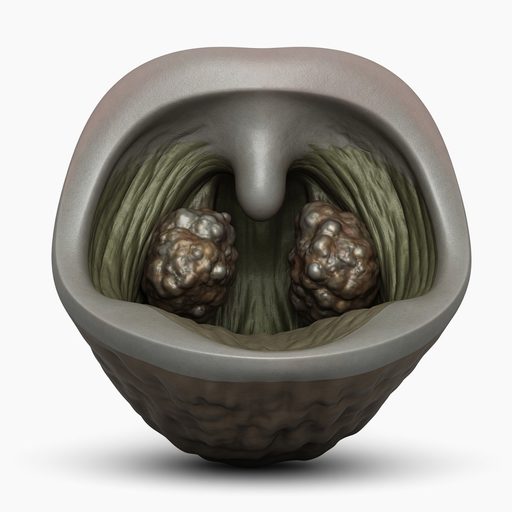
Gingivitis (early gum disease) causes gums to become inflamed, swollen, and prone to bleeding — even from gentle brushing or flossing. The blood produces an iron/metallic smell. Advanced periodontitis involves bacterial infection below the gumline, producing both blood and foul-smelling anaerobic bacteria simultaneously. Periodontal disease is the leading cause of blood smell from the mouth.

A dental abscess — a pocket of pus from bacterial infection in a tooth or gum — produces a distinctive foul, blood-metallic smell. The combination of anaerobic bacteria producing sulfur compounds, dead tissue, and blood creates a uniquely offensive odor. Abscesses are painful and can spread if untreated.
After a tooth extraction, the healing socket contains a blood clot and exposed bone, which can produce a blood or iron-like smell for several days. If the clot is dislodged (dry socket), the exposed bone becomes infected and produces a distinctly foul, blood-metallic smell. Dry socket is the most painful post-extraction complication.
Brushing too hard, using a medium or hard toothbrush, or flossing aggressively can cause micro-tears in gum tissue, producing small amounts of blood with a metallic smell. This is different from gum disease — the gums are healthy but being mechanically damaged. Common when people start flossing again after a long gap.
Blood from the nasal passages — from a sinus infection, nasal polyps, or nosebleed — can drip into the back of the throat, producing a blood or metallic smell from the mouth. Chronic sinusitis often involves blood-tinged mucus that drips into the throat throughout the day.
How to Fix It
Urgent Dental Evaluation
Dental visitBlood smell from the mouth almost always has a dental cause that needs professional assessment.
- 1Call your dentist for an appointment. Describe the blood or metallic smell and any associated pain or bleeding.
- 2If you have fever, severe pain, facial swelling, or difficulty swallowing — go to urgent care or the ER, not just the dentist. These are signs of an abscess spreading.
- 3While waiting: rinse gently with warm salt water (½ teaspoon salt in 8 oz water) 2–3x daily.
- 4Take ibuprofen (if no contraindications) for pain — it also reduces gum inflammation.
- 5Do not use aspirin on the area or apply alcohol — both worsen bleeding.
Improve Gum Health at Home
$15–25Most cases of blood smell from gum disease dramatically improve with consistent home care in 2–4 weeks.
- 1Switch to a soft-bristled toothbrush and brush for 2 minutes twice daily using gentle circular motions.
- 2Floss once daily — even if gums bleed initially. Bleeding from healthy gums stops with consistent flossing within 2 weeks as inflammation resolves.
- 3Add an antiseptic mouthwash (Listerine, or chlorhexidine prescribed by your dentist) after brushing.
- 4Use an electric toothbrush — clinical studies show they remove significantly more plaque than manual brushing, reducing gum disease risk.
- 5Schedule a dental cleaning — even with perfect home care, tartar above and below the gumline requires professional removal.
When to Call a Professional
Blood smell + fever + facial swelling or difficulty swallowing — possible spreading dental abscess (Ludwig's angina). Go to the ER immediately.
Blood smell + loose teeth + receding gums — advanced periodontitis needing urgent dental treatment.
Blood smell + no dental symptoms but frequent nosebleeds or blood-tinged mucus — see a doctor to evaluate sinus or nasal causes.
Blood smell that appeared suddenly without any recent dental work or trauma — get a dental evaluation to rule out infection.
How to Prevent It
Brush twice daily with a soft toothbrush using gentle circular motions — not aggressive scrubbing.
Floss daily without exception — gum disease starts between teeth where brushing doesn't reach.
Get a professional dental cleaning every 6 months to remove tartar that home brushing can't eliminate.
Don't smoke — smoking dramatically increases gum disease severity and masks bleeding.
Rinse with an antiseptic mouthwash (Listerine) once daily to reduce bacterial load.
Frequently Asked Questions
A small amount of blood smell immediately after flossing can be normal if you haven't flossed recently — gums that are mildly inflamed from lack of flossing will bleed temporarily. This should resolve completely within 1–2 weeks of consistent daily flossing. If bleeding and blood smell persist beyond 2 weeks of consistent flossing, see a dentist.
Morning blood smell usually means gums are bleeding overnight — either from gum disease, night grinding (bruxism) causing gum trauma, or breathing through your mouth which dries out gum tissue and makes it bleed more easily. A dentist can determine which is the cause.
Very rarely — oral cancer can cause bleeding and foul breath, but it's accompanied by visible sores, lumps, or patches that don't heal. The vast majority of blood smell from the mouth is from gum disease or dental infections, which are far more common. That said, any unexplained oral sore that doesn't heal in 2 weeks should be evaluated by a dentist or doctor.
A dental abscess typically has a foul, blood-metallic, or rotten smell that's often described as uniquely offensive. The combination of anaerobic bacteria producing hydrogen sulfide and other sulfur compounds, plus actual blood and dying tissue, creates an unmistakable smell. It's often noticeably different from and worse than typical bad breath.