
Common Causes (Ranked by Likelihood)
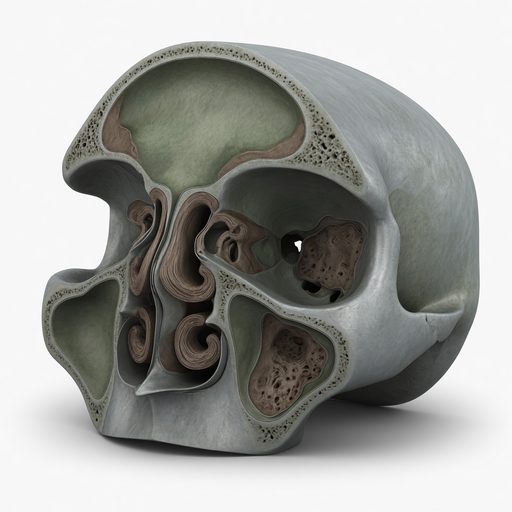
Dry air — especially in winter with indoor heating or in arid climates — dries out the nasal mucosa. The delicate blood vessels just inside the nostril (Kiesselbach's plexus) are near the surface and can crack, bleed slightly, and form small scabs. These scabs produce a distinct metallic, blood-like smell even without any visible bleeding.
After a nosebleed, blood dries in the nasal passages and the back of the throat. Even a very minor bleed that resolved quickly can leave dried blood that produces a metallic smell for several days until it fully clears.
Bacterial sinusitis can cause small amounts of blood to mix with the infected nasal discharge. The combination of blood and infection produces a foul, metallic smell that differs from the smell of sinusitis alone (which is more putrid). This is particularly common with severe or prolonged sinus infections.
Nasal polyps (benign growths) and, more rarely, nasal tumors can cause bleeding and a persistent blood smell. Polyps can bleed when irritated and have a distinctive smell when infected. Any new, persistent blood smell without obvious cause should be evaluated.
Phantosmia is the perception of a smell — including blood — that has no external source. The olfactory system generates false signals due to nerve inflammation, head injury, viral infection (including post-COVID), migraine, or neurological conditions. The blood smell seems real but comes from inside the nervous system, not the nose.
Insufflated drugs damage the nasal septum's blood supply over time, causing tissue breakdown, perforation, and chronic bleeding. The smell of blood is persistent and accompanied by visible structural damage and frequent nosebleeds.

Blood thinners like warfarin, aspirin, or newer anticoagulants increase the likelihood of minor nasal bleeding from dryness or irritation. The nasal membranes bleed more easily with the slightest trauma, producing a persistent blood smell in people on these medications.
How to Fix It
Moisturize Nasal Passages
$5–$20Keeping the nasal mucosa moist prevents cracking, bleeding, and scab formation.
- 1Apply a small amount of saline nasal gel, plain petroleum jelly, or coconut oil just inside each nostril using a clean finger or cotton swab.
- 2Use a saline nasal spray (ocean water spray) 2–3 times daily to keep membranes hydrated.
- 3Run a humidifier in your bedroom at night — aim for 40–50% indoor humidity.
- 4Stay well-hydrated — drink adequate water throughout the day.
- 5Breathe through your nose rather than your mouth, especially during dry conditions.
Allow Healing Scabs to Resolve
FreeDon't pick at scabs inside the nose — this re-injures the vessel and extends healing time.
- 1Do not pick or scrape scabs inside the nose — this causes re-bleeding.
- 2Apply saline gel or petroleum jelly to soften scabs and reduce discomfort.
- 3Sneeze with your mouth open to reduce pressure on nasal blood vessels.
- 4Avoid blowing your nose forcefully — dab gently.
- 5Most small nasal scabs heal fully within 7–14 days.
Treat Underlying Sinus Infection
OTC: $5–$20 | Prescription: variesBacterial sinusitis causing blood-tinged discharge and metallic smell needs treatment.
- 1Use saline rinses (neti pot or squeeze bottle) twice daily to flush the sinuses.
- 2OTC nasal decongestants can provide short-term relief.
- 3If symptoms persist beyond 10 days or are severe, see a doctor — bacterial sinusitis often requires antibiotics.
- 4Rest, hydrate, and apply warm compresses over the sinuses.
See a Doctor for Persistent or Unexplained Blood Smell
Office visitAny blood smell that persists more than 2 weeks without a clear cause, or is associated with frequent nosebleeds, nasal obstruction, or smell disturbances, needs evaluation.
- 1Book an appointment with your primary care doctor or an ENT (ear, nose, and throat specialist).
- 2The doctor will examine your nasal passages, may order imaging if a structural problem is suspected, and can scope the nasal cavity if needed.
- 3For phantosmia, a neurological evaluation or discussion of triggering conditions (post-COVID, migraine) is appropriate.
- 4For medication-related bleeding, a review of your anticoagulation regimen may be indicated.
When to Call a Professional
A persistent, unexplained blood smell in the nose lasting more than 2 weeks without obvious cause should be evaluated by an ENT.
New phantom smells after COVID-19 are increasingly recognized — parosmia and phantosmia can take months to resolve but usually do improve.
Frequent nosebleeds alongside a blood smell in someone on blood thinners may indicate levels are too high — consult your prescribing doctor.
Nasal tumors are rare but present with persistent one-sided congestion, nosebleeds, and smell changes — early diagnosis significantly improves outcomes.
How to Prevent It
Keep indoor humidity between 40–50% during winter months.
Use saline nasal spray during dry seasons or after air travel.
Avoid picking or inserting objects into the nose.
Stay well-hydrated to support healthy mucosal membranes.
If on blood thinners, protect nasal membranes with regular saline gel application.
Frequently Asked Questions
The most common reason is a small dried scab from dry air, a previous minor bleed, or nose blowing irritation — the blood has already dried but the smell remains. Less commonly, the smell is from a sinus infection with blood-tinged mucus, or from phantosmia where the nervous system generates a false smell signal.
A constant blood smell lasting more than 2 weeks without an obvious cause like dry air or recent nosebleed should be evaluated by a doctor. Possible causes include nasal polyps, chronic sinusitis, damage to nasal tissue, or phantosmia from a neurological or post-viral condition.
Yes — COVID-19 can cause parosmia (distorted smell) and phantosmia (phantom smells), including smells of blood, burning, or other unusual odors. This is a recognized post-COVID syndrome that results from olfactory nerve damage. It typically improves over months but can take a year or more in some cases.
Phantom smells, including blood, are very rarely caused by brain tumors. When they are, they typically occur as part of a seizure (temporal lobe epilepsy) or with other neurological symptoms. The vast majority of blood smell in the nose comes from the nose itself — dry air, scabs, minor bleeding, or sinusitis. Mention persistent phantom smells to your doctor for proper evaluation.
Forceful nose blowing ruptures the small surface blood vessels inside the nostril. Even when there's no visible blood on the tissue, micro-bleeding can produce a blood smell that persists for a few hours. Blow gently, and use saline gel to keep the membranes moist and more resilient.