
Most Likely Causes (Ranked)
The dorsal surface of the tongue is textured with papillae — small projections that create thousands of microscopic crevices where bacteria, dead epithelial cells, and food particles accumulate. This biofilm, called tongue coat, is the primary site of bad breath production in most people. The anaerobic bacteria living in this coat metabolize sulfur-containing amino acids from food and dead cells to produce volatile sulfur compounds (VSCs): hydrogen sulfide (rotten eggs), methyl mercaptan (feces/sulfur), and dimethyl sulfide. Brushing teeth removes bacteria from enamel surfaces but leaves the tongue coat entirely intact. Studies consistently find that tongue cleaning reduces VSC production by 50-70% in people with halitosis.
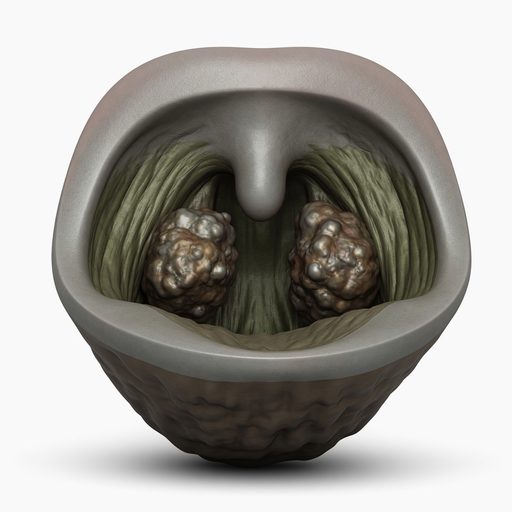
Tonsil stones are calcified deposits that form in the crypts (folds and pockets) of the tonsils. They're composed of trapped food particles, bacteria, mucus, and dead cells that accumulate, compact, and eventually calcify. They look like small white or yellowish lumps in the tonsil tissue and can range from 1mm to over 1cm in size. Their smell is one of the most distinctive and potent causes of bad breath — the anaerobic bacteria in tonsil stones produce extremely high concentrations of VSCs, and even small stones can cause breath that persists despite thorough oral hygiene. Many people are unaware they have tonsil stones and incorrectly blame their teeth or gums.
Gum disease ranges from gingivitis (inflammation of the gum surface) to periodontitis (infection of the deeper gum tissue and bone). In periodontitis, bacteria colonize pockets that form between the gum and tooth root — spaces that brushing and flossing cannot reach. The bacteria in these pockets are primarily anaerobic species that produce VSCs at high rates. Periodontitis-associated bad breath is often described as particularly foul — a deep, organic smell that persists despite excellent surface hygiene. It's also often accompanied by gum bleeding, gum recession, and loose teeth in more advanced cases.
Saliva is a natural antibacterial and deodorizing agent. It contains antimicrobial proteins, washes away food and bacteria, and dilutes odor compounds. When saliva flow is reduced — called xerostomia — bacterial populations increase and VSC concentration rises. Dry mouth is caused by mouth breathing, certain medications (antihistamines, antidepressants, diuretics, and dozens of others are notorious causes), dehydration, autoimmune conditions like Sjögren's syndrome, and radiation therapy to the head/neck. Waking with exceptionally bad breath despite good hygiene is often caused by the natural reduction in saliva during sleep; chronic dry mouth makes this persistent throughout the day.
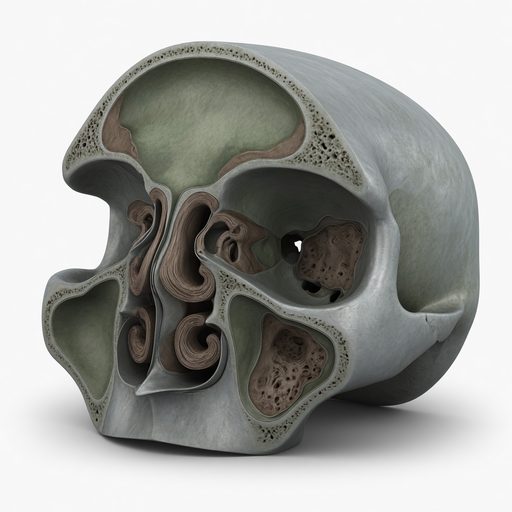
Mucus from the sinuses drains down the back of the throat constantly. When sinus inflammation, allergies, or chronic rhinitis increases mucus production, this drainage contains bacteria and proteins that contribute to bad breath from the back of the throat. The mucus itself is odorless, but bacteria metabolizing proteins in the mucus produce VSCs. Chronic sinusitis can produce particularly foul-smelling drainage with a distinctly bacterial quality. Many people with post-nasal drip have bad breath that seems to come from the throat rather than the mouth.
Cavities provide a deep, protected anaerobic environment where bacteria can colonize undisturbed by brushing. Food debris trapped in decay produces a particularly foul smell. Similarly, cracked teeth or spaces under failing crowns or fillings harbor bacteria in gaps that are impossible to clean. A single decayed tooth can be a potent source of bad breath — the bacteria in deep cavities are often more pathogenic and produce more VSCs per unit than surface plaque.

Several systemic medical conditions produce bad breath that won't respond to any dental hygiene intervention because the source is internal, not oral. GERD (gastroesophageal reflux disease) allows stomach acid and partially digested food vapors to travel up the esophagus and enter the mouth — producing a sour, acid, or partially digested food smell. Diabetic ketoacidosis produces a fruity, acetone-like breath smell. Kidney failure produces an ammonia/urine-like breath smell (uremic fetor). Liver disease produces a sweet, musty, or fecal breath smell (fetor hepaticus). These are rare as causes of persistent bad breath but worth knowing about.
How to Fix It
Add Tongue Cleaning to Your Routine
$5-15 for a tongue scraperThe most impactful single change for most people with persistent bad breath.
- 1Use a dedicated tongue scraper (better than a toothbrush for this purpose — they're designed to lift and remove biofilm rather than spread it).
- 2Extend your tongue fully, place the scraper as far back as comfortable, and draw it forward with gentle pressure. This removes the thick coating where VSC production is highest.
- 3Rinse the scraper and repeat 3-5 times until the scraper comes back clean or nearly clean.
- 4Do this every time you brush — morning and night.
- 5A soft-bristled toothbrush can substitute for a scraper if needed, but scrapers are more effective and inexpensive ($5-10).
- 6Improvement is typically noticeable within 2-3 days of consistent tongue cleaning.
Address Tonsil Stones
Free to $5 for rinses / $3,000-4,500 for tonsillectomyTonsil stones can often be managed at home or removed by a doctor.
- 1Use a water flosser (Waterpik) on low pressure aimed at the tonsil crypts to dislodge small stones. This is the most effective and least traumatic home method.
- 2Salt water gargling (1/2 teaspoon salt in 8oz warm water) multiple times per day loosens stones and creates an inhospitable environment for the bacteria that form them.
- 3A cotton swab can be used to gently press around visible stones to pop them free, but avoid vigorous poking that causes bleeding.
- 4Regular gargling after meals reduces the accumulation rate by preventing food from settling into crypts.
- 5For recurrent, large, or deeply embedded stones that significantly impact quality of life: an ENT (ear, nose, throat) doctor can remove them professionally. Tonsillectomy (removing the tonsils) is a permanent solution and is sometimes recommended for severe cases.
See a Dentist for Gum Disease
$100-300 for deep cleaning / varies for treatmentGum disease requires professional treatment — home remedies won't address deep pocket bacterial colonies.
- 1Schedule a dental exam and tell the dentist specifically that you're concerned about persistent bad breath.
- 2A dentist will probe the gum pockets to assess depth — healthy pockets are 1-3mm; anything deeper indicates disease.
- 3Scaling and root planing (deep cleaning below the gum line) is the primary treatment — typically done in two appointments ($150-200 per quadrant without insurance).
- 4At-home: electric toothbrushes are significantly more effective at plaque removal than manual. Use one twice daily.
- 5Add flossing: it removes bacteria from between teeth that brushing misses entirely. Even daily flossing shows measurable improvement in gum health within 2-3 weeks.
- 6After treatment, maintain with 3-4 month professional cleanings rather than the standard 6-month interval.
Address Dry Mouth
Free to $15 for productsIf medications are causing dry mouth, ask your doctor about alternatives; otherwise focus on stimulating saliva.
- 1Stay adequately hydrated — drink water consistently throughout the day, not just at meals.
- 2Use a humidifier in the bedroom if you're a mouth breather — it prevents nighttime drying.
- 3Xylitol gum or lozenges stimulate saliva production. Chew after meals and before bed.
- 4OTC dry mouth sprays and rinses (Biotene, ACT Dry Mouth) contain saliva substitute components.
- 5Avoid alcohol-based mouthwashes — alcohol is a desiccant and worsens dry mouth. Use alcohol-free formulations.
- 6If a medication is suspected, talk to your doctor — many have alternatives with less drying effect.
When to Call a Professional
The breath smells like ammonia or urine — see a doctor. This can indicate kidney disease (uremic fetor).
The breath smells fruity or like nail polish remover — see a doctor urgently. This can indicate diabetic ketoacidosis.
The breath has a foul, sweet-musty quality combined with jaundice or abdominal pain — see a doctor. This can indicate liver disease.
You notice dental pain, loose teeth, or significant gum bleeding — see a dentist promptly. Advanced gum disease is treatable but causes permanent damage if ignored.
How to Prevent It
Clean your tongue every time you brush — this is the highest-impact oral hygiene habit most people skip.
Stay hydrated throughout the day — saliva is your mouth's self-cleaning mechanism. Chronic mild dehydration is a common and overlooked cause of persistent bad breath.
Floss daily — removes the bacteria and food from between teeth that brushing misses. Bad breath significantly improves with consistent flossing within 2-3 weeks.
Get professional dental cleanings every 6 months — and tell your dentist if bad breath is a concern. They can identify gum pockets, decay, and other issues causing the problem.
Replace your toothbrush every 3 months — a worn-out brush is significantly less effective at removing plaque.
Mouthwash: Why It Only Works Temporarily
Mouthwash provides relief from bad breath for 15-30 minutes to a few hours at most — and this is by design, not a flaw. The antimicrobial agents in mouthwash (chlorhexidine, cetylpyridinium chloride, essential oils) kill surface bacteria on contact, temporarily reducing VSC production. However, bacterial repopulation begins almost immediately from surviving cells and from bacteria in the tongue coat, which mouthwash doesn't fully penetrate.
Alcohol-based mouthwashes have an additional issue: they're desiccants that reduce saliva and dry the mucous membranes. Dry environments favor anaerobic bacteria — the exact organisms responsible for bad breath — so alcohol-based mouthwash can actually worsen bad breath over time if used frequently. Alcohol-free formulations with zinc compounds or chlorine dioxide are specifically designed to oxidize VSCs and provide longer-lasting relief.
The takeaway: mouthwash as part of a complete routine (tongue scraping, flossing, brushing) adds value. Mouthwash as a substitute for the other elements provides only temporary masking.
The Most Effective Bad Breath Routine, Step by Step
Based on what dental researchers know about halitosis, this is the most effective daily routine: (1) Floss first — removes food and plaque from between teeth where VSC production is high. (2) Brush teeth for 2 minutes with fluoride toothpaste. (3) Tongue scrape — 4-5 passes from back to front. (4) Rinse with an alcohol-free mouthwash containing zinc or chlorine dioxide.
The sequence matters: flossing before brushing allows the toothpaste fluoride to reach the cleaned interproximal surfaces. Tongue scraping after brushing removes the loosened biofilm. Mouthwash is last to provide a sustained chemical effect on remaining bacteria.
This full routine takes about 4 minutes and addresses every major oral source of bad breath. If breath still remains problematic after consistently following this routine for 2 weeks, the cause is likely dental (gum disease, cavities) or medical (GERD, post-nasal drip) — and warrants professional evaluation.
Frequently Asked Questions
Because brushing only addresses tooth surfaces, which produce a minority of bad breath compounds. The tongue — which is skipped by most brushers — is the primary site. Tonsil stones, gum disease, and dry mouth are the other major causes. Add tongue scraping to your routine first; if that doesn't help, see a dentist to rule out gum disease and a doctor to rule out sinus or medical causes.
Saliva production slows dramatically during sleep, and saliva is the mouth's primary antibacterial and cleansing mechanism. Without saliva flow, the bacteria in your mouth — especially on the tongue — have 6-8 uninterrupted hours to metabolize food residue and dead cells into VSCs. People who sleep with their mouths open make this worse by drying out the oral mucosa. Morning breath is normal; if it's still present after thorough brushing and tongue cleaning, the cause is something structural (tonsil stones, gum disease) or medical.
Yes, but less commonly than most people believe. GERD (acid reflux) allows stomach vapors to travel up the esophagus and contribute a sour, acidic quality to breath — especially after meals or when lying down. H. pylori infection in the stomach has been associated with bad breath in some research. However, the vast majority of bad breath originates in the mouth and throat, not the stomach. Before attributing bad breath to 'stomach problems,' eliminate oral causes thoroughly.
Yes — significantly. Adequate hydration maintains saliva production, which is the primary natural defense against bad breath. Drinking water throughout the day, rather than just at meals, keeps saliva flowing and continuously dilutes and washes away VSCs. This is especially important for people on medications that reduce saliva. Water is the best drink for breath — coffee and alcohol both contribute to dry mouth and bad breath.