Most Likely Causes (Ranked)
After COVID-19 damages olfactory neurons, new nerve connections can form incorrectly during healing. This "cross-wiring" causes the brain to misinterpret familiar smells. Coffee, onions, garlic, meat, chocolate, and toothpaste are the most commonly distorted smells. It typically starts 2-4 months after infection.
Any upper respiratory virus can damage olfactory neurons, not just COVID. Influenza, RSV, and parainfluenza viruses have all been documented to cause parosmia. The mechanism is the same — nerve damage followed by incorrect regeneration.
A blow to the head can damage olfactory nerves where they pass through the cribriform plate at the base of the skull. Even mild concussions can cause smell distortion. Recovery depends on severity.
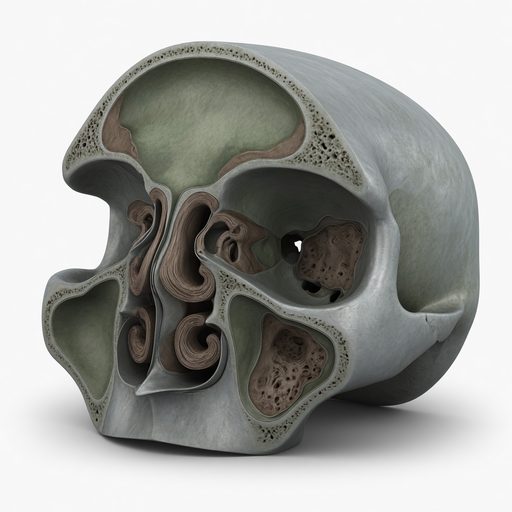
Chronic sinusitis, nasal polyps, or severe allergies can alter how odor molecules reach olfactory receptors, causing distorted perception. Unlike viral parosmia, this tends to fluctuate with congestion levels.
How to Fix It
Smell Training (Olfactory Retraining Therapy)
$15-30Strongest evidence for effectiveness — the #1 recommended treatment.
- 1Get 4 essential oils: rose, lemon, clove, and eucalyptus (or buy a smell training kit).
- 2Smell each for 20 seconds while actively thinking about what the scent should smell like.
- 3Do this twice daily — morning and evening — for at least 12-16 weeks.
- 4Keep a smell journal to track progress. Improvement is gradual — often weeks before noticeable change.
- 5After 4 weeks, consider rotating to 4 new scents (coffee, vanilla, orange, mint) to expand nerve training.
Dietary Adaptation While Recovering
$0Work around your parosmia triggers.
- 1Identify your specific trigger foods (most common: coffee, meat, onions, garlic, eggs, chocolate).
- 2Cold foods are usually better tolerated than hot — heat releases more volatile compounds.
- 3Bland, room-temperature foods like rice, bread, bananas, and plain pasta are usually safe.
- 4Use flavor through texture and temperature rather than relying on smell.
Medical Evaluation
$100-300If symptoms persist beyond 6 months or worsen.
- 1See an ENT (ear, nose, throat specialist) for nasal endoscopy to check for polyps or structural issues.
- 2Ask about alpha-lipoic acid supplements (600mg/day) — some studies show benefit for olfactory nerve recovery.
- 3Omega-3 fatty acids may support nerve regeneration. Some doctors recommend high-dose fish oil.
- 4Steroid nasal sprays or oral steroids may help if inflammation is a contributing factor.
When to Call a Professional
Sudden complete loss of smell without a cold — see a doctor to rule out neurological causes
Smell distortion getting progressively worse over months — needs ENT evaluation
Parosmia accompanied by severe headaches or vision changes — neurological evaluation warranted
Significant weight loss because parosmia is preventing adequate nutrition — see a doctor about nutritional support
How to Prevent It
Start smell training early after any viral illness that affects your sense of smell — don't wait for parosmia to develop.
Treat sinus infections promptly to minimize olfactory nerve irritation.
Wear head protection during sports and activities with fall risk.
Avoid smoking and secondhand smoke — both damage olfactory neurons and slow recovery.
Why Parosmia Happens During Recovery
Your nose contains about 6 million olfactory neurons, each expressing one type of smell receptor. When these neurons are damaged by a virus, they die and are replaced by new neurons growing from basal stem cells in the olfactory epithelium. This regeneration takes weeks to months.
The problem is that new neurons don't always reconnect correctly. Imagine an orchestra where all the musicians were replaced — the new musicians are playing, but some are sitting in the wrong seats and playing the wrong parts. The brain receives a garbled signal and interprets it as something unpleasant, usually because the threat-detection pathways are the first to recover.
This is why parosmia typically involves things smelling like rot, sewage, or chemicals — the brain defaults to "danger" interpretations when signals are ambiguous. Smell training works by essentially coaching the new neurons to make the correct connections through repeated, intentional exposure to known scents.
Frequently Asked Questions
Most cases improve significantly within 6-12 months. About 80% of people recover fully within 2 years. Smell training accelerates recovery.
Most people recover fully or nearly fully. Research shows 90%+ of post-viral parosmia patients show significant improvement within 2 years, especially with consistent smell training.
Coffee contains over 800 volatile compounds. Its complex smell profile means it's especially vulnerable to distortion when olfactory neurons are cross-wired. It's the single most commonly distorted smell in parosmia.
Yes. Many people with severe parosmia struggle to eat because most foods smell and taste disgusting. If you're losing weight, focus on bland, room-temperature foods and consult your doctor about nutritional supplements.
There's no instant cure, but smell training has been shown in studies to support recovery. Alpha-lipoic acid, omega-3 supplements, and nasal steroids may help. Most cases resolve with time.
Yes — what we perceive as taste is about 80% smell. Parosmia typically makes food taste terrible because the smell component is distorted. Basic tastes (sweet, salty, sour, bitter) usually remain intact.