Most Likely Causes (Ranked)
Sinus infections and post-nasal drip can irritate olfactory nerve endings, causing them to fire incorrectly and produce phantom smells. This is the most common cause and often resolves when the infection clears. Chronic sinusitis can cause recurring phantom smells.
COVID-19 can damage olfactory neurons, causing both loss of smell (anosmia) and distorted smells (parosmia/phantosmia) during recovery. As nerves regenerate, they can misfire and produce phantom odors — smoke and burning are the most commonly reported. This can last weeks to months.
Olfactory hallucinations can be a migraine aura — a neurological warning sign that appears before or during a migraine. About 1-3% of migraine sufferers experience phantom smells as part of their aura, most commonly smoke, burning rubber, or chemical odors.
The temporal lobe processes smell. Minor electrical disturbances (not necessarily seizures) can produce brief phantom smells. If accompanied by other neurological symptoms like confusion, deja vu, or brief unresponsiveness, see a neurologist.
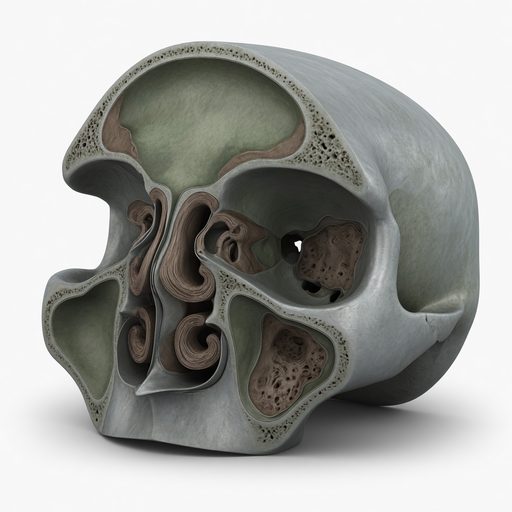
Polyps, deviated septum, or chronic inflammation in the nasal passages can press on or irritate olfactory nerves, producing phantom smells. These tend to be persistent rather than episodic.
How to Fix It
Treat the Underlying Sinus Issue
$10-50Most common and effective fix.
- 1Use saline nasal rinse (neti pot or squeeze bottle) twice daily — this flushes irritants and reduces inflammation on olfactory nerves.
- 2Try a nasal corticosteroid spray (Flonase, Nasacort) — OTC, $15-25. Use for 2-4 weeks consistently.
- 3If sinus infection is suspected, see a doctor for possible antibiotics.
- 4Avoid strong scents and chemical irritants during recovery.
Smell Training (Olfactory Retraining)
$15-30Best treatment for post-COVID phantosmia.
- 1Get 4 essential oils: rose, lemon, clove, and eucalyptus.
- 2Smell each one for 20 seconds, twice daily, while consciously thinking about what the scent should smell like.
- 3Continue for 12-16 weeks minimum — nerve regeneration is slow.
- 4Studies show 60-80% improvement with consistent smell training.
See a Neurologist
$200-500If phantom smells are persistent, sudden-onset, or accompanied by other neurological symptoms.
- 1Get a referral from your primary care doctor.
- 2An MRI can rule out structural causes (tumors, lesions).
- 3An EEG may be ordered if temporal lobe activity is suspected.
- 4Most phantosmia is benign, but persistent cases warrant investigation.
When to Call a Professional
Sudden phantom smell with confusion, speech difficulty, or weakness — could indicate stroke. Call 911.
Persistent phantom smell that worsens over weeks — see a neurologist to rule out structural causes
Phantom smell accompanied by seizure-like episodes (staring spells, deja vu, lip smacking) — needs neurological evaluation
New onset phantom smell after head injury — see a doctor promptly
How to Prevent It
Treat sinus issues promptly — chronic sinus inflammation is the #1 trigger for phantosmia.
Do smell training after any viral illness that affects your sense of smell.
Stay hydrated and manage allergies — nasal health supports olfactory nerve function.
Track your migraine triggers if phantom smells are part of your migraine aura pattern.
How Phantom Smells Work
Your sense of smell relies on millions of olfactory neurons in the upper nasal cavity. These neurons have receptors that detect airborne molecules and send signals through the olfactory nerve to the brain's olfactory bulb, then to the temporal lobe for processing.
Phantosmia occurs when something goes wrong in this pathway — damaged or regenerating neurons can fire spontaneously, or brain areas that process smell can become hyperactive. It's similar to how phantom limb pain works: the signal pathway generates sensation without an external stimulus.
Smoke is the most commonly reported phantom smell because the brain's threat-detection system is heavily wired to detect fire. When olfactory signals are garbled or ambiguous, the brain often interprets them as smoke or burning — a survival bias toward detecting danger.
Frequently Asked Questions
Usually no. Most phantosmia is benign and caused by sinus issues, post-viral nerve damage, or migraines. However, persistent phantom smells that don't respond to sinus treatment should be evaluated by a doctor.
Typically 3-6 months, but some cases persist for over a year. Smell training (olfactory retraining therapy) is the most effective treatment and works in 60-80% of cases.
Yes. Anxiety and stress can heighten sensory processing, making you more likely to notice and fixate on faint real smells. Anxiety can also cause hyperventilation which changes nasal airflow and can trigger olfactory misfiring.
Brief, occasional phantom smells (lasting seconds, happening rarely) are common and usually harmless. See a doctor if they're persistent, increasing in frequency, or accompanied by headaches, confusion, or other neurological symptoms.
Phantosmia is smelling something that isn't there at all. Parosmia is when real smells are distorted — like coffee smelling like garbage, or food smelling rotten. Both are common after COVID and can occur together.
Yes. Some antibiotics, blood pressure medications, and antidepressants can affect olfactory nerve function. If phantom smells started after a new medication, discuss with your prescribing doctor.