Most Likely Causes (Ranked)
Swelling and mucus block odor molecules from reaching olfactory receptors high in the nasal cavity. This is the most common cause and resolves when the infection clears. Allergies cause the same blockage chronically.
SARS-CoV-2 damages sustentacular cells that support olfactory neurons. About 85% recover within 6 months, but 5-10% have persistent loss or distortion (parosmia). This remains a leading cause even in 2026.
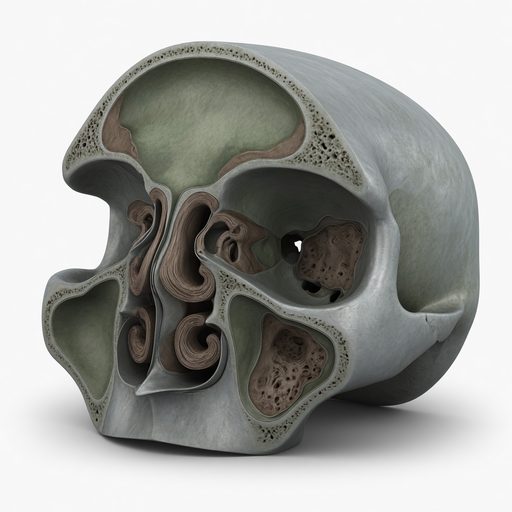
Benign growths in the nasal passages physically block airflow to the olfactory region. Polyps affect about 4% of adults and are associated with chronic sinusitis and asthma.

Olfactory neurons naturally decline with age. About 25% of people over 60 and 50% over 80 have measurable smell loss. This is gradual and often unnoticed until significant.
Over 200 medications can reduce smell including some antibiotics, blood pressure drugs, and chemotherapy. Zinc nasal sprays (Zicam) have caused permanent anosmia in some users.
How to Fix It
Treat Underlying Congestion
$5-30Most common fix — restore airflow to olfactory receptors.
- 1Use a saline nasal rinse (NeilMed Sinus Rinse) twice daily to reduce swelling and clear mucus.
- 2OTC nasal steroid spray (Flonase, Nasacort) — use daily for 2-4 weeks. These reduce inflammation near olfactory receptors.
- 3Oral decongestant (pseudoephedrine/Sudafed) for short-term relief — don't use nasal spray decongestants more than 3 days.
- 4Treat allergies with antihistamines if congestion is allergy-related.
Smell Training (Olfactory Retraining)
$10-20Clinically proven for post-COVID and post-viral anosmia.
- 1Get 4 strong, distinct scents: rose, lemon, clove, and eucalyptus essential oils.
- 2Smell each one for 20 seconds, twice daily, actively trying to remember the scent.
- 3Continue for at least 12 weeks — neural regeneration takes time.
- 4Studies show 60-80% improvement in patients who do this consistently.
See an ENT Specialist
$100-400If loss persists beyond 2-3 weeks without congestion.
- 1An ENT can perform nasal endoscopy to check for polyps, tumors, or structural issues.
- 2CT scan of sinuses may be ordered if polyps or chronic sinusitis suspected.
- 3For polyps: steroid treatment or endoscopic surgery (90%+ success rate for smell recovery).
- 4Review medication list for anosmia-causing drugs.
When to Call a Professional
Sudden complete smell loss without congestion — see a doctor. Could indicate neurological issue.
Smell loss with vision changes or severe headaches — seek urgent evaluation
Smell loss after head trauma — see a neurologist. Olfactory nerve damage may have occurred.
Loss of smell increases safety risks — install smoke detectors and gas detectors as you may not smell hazards
How to Prevent It
Treat colds and sinus infections promptly to prevent prolonged olfactory damage.
Avoid zinc nasal sprays — oral zinc is fine but nasal zinc has caused permanent anosmia.
Wear a helmet for cycling and contact sports — head trauma is a leading cause of permanent anosmia.
Don't smoke — smoking directly damages olfactory receptors and accelerates age-related loss.
Do smell training preventively after any viral illness that affects your smell.
How Your Sense of Smell Works
Olfactory receptors sit on a postage-stamp-sized patch of tissue high in each nasal cavity. These neurons are unique — they're the only neurons in the body that are directly exposed to the outside environment and that regenerate throughout life. Each neuron expresses one of about 400 different odor receptor types, and the combination of activated receptors creates the 'smell fingerprint' that your brain interprets.
When these neurons are damaged — by viruses, trauma, or toxins — the body attempts to regenerate them. This process takes weeks to months, which is why smell recovery after COVID is slow. Smell training works by providing repeated stimulation that guides the regenerating neurons to wire correctly. Without training, some neurons may wire to the wrong receptor, causing parosmia (distorted smell).
Frequently Asked Questions
About 85% recover within 6 months. Smell training significantly improves odds and speed. Even at 12+ months, some patients continue to improve.
It can be, particularly after severe head trauma, certain medications (zinc nasal sprays), or if caused by neurodegenerative disease. Post-viral anosmia has the best prognosis.
Yes — about 80% of what we perceive as 'taste' is actually smell. You can still detect sweet, sour, salty, bitter, and umami, but food will taste flat without smell.
Usually no — colds and sinus issues are the most common cause. However, it can rarely be an early sign of Parkinson's or Alzheimer's disease, especially if gradual and unexplained.
Absolutely. Natural gas and carbon monoxide are serious hazards you may not detect. CO detectors and natural gas detectors are essential safety devices.