Most Likely Causes (Ranked)
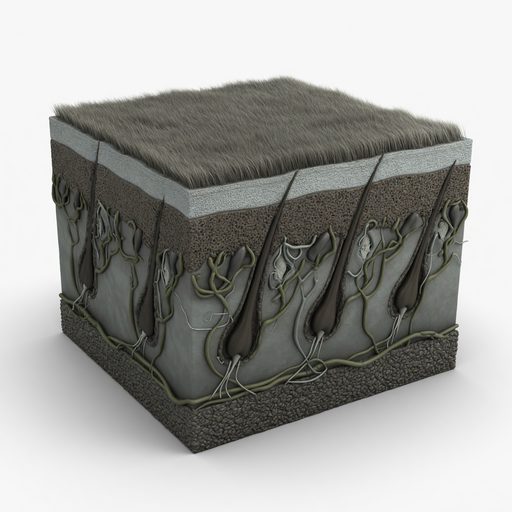
Your scalp has a microbiome of bacteria and yeast (Malassezia) that feed on sebum. When this microbiome gets out of balance — from excess oil, infrequent washing, or immune changes — certain bacteria produce volatile fatty acids with a sour, musty, or cheese-like smell.
Silicones, oils, leave-in conditioners, dry shampoo, and styling products accumulate on the scalp and hair over time. This buildup traps sebum, sweat, and environmental odors, creating a stale, musty smell that regular shampoo doesn't fully remove.
Hormonal shifts — puberty, pregnancy, menopause, or thyroid changes — alter sebum production and composition. Increased or changed sebum can shift the scalp microbiome and produce new odors. Stress hormones (cortisol) can also increase scalp oil production.
Not washing often enough allows sebum, sweat, dead skin, and environmental pollutants to accumulate. But washing without properly scrubbing the scalp (just running shampoo through the lengths) is equally problematic.
Hair is porous and absorbs odors from the environment — cooking smoke, cigarettes, pollution, campfire smoke. Damaged or porous hair absorbs more odor than healthy hair.
How to Fix It
Clarifying Wash + Scalp Reset
$5-15Start here — removes buildup and resets the scalp.
- 1Use a clarifying shampoo (Neutrogena Anti-Residue, Suave Daily Clarifying) — this strips all product buildup.
- 2Apply to WET scalp and massage vigorously for 60 seconds minimum — really scrub with fingertips (not nails).
- 3Rinse, then shampoo a second time with your regular shampoo.
- 4Do this once every 1-2 weeks ongoing to prevent buildup.
Anti-Fungal/Anti-Bacterial Shampoo
$6-15If the smell returns quickly after washing.
- 1Use a zinc pyrithione shampoo (Head & Shoulders, Vanicream Z-Bar) or ketoconazole shampoo (Nizoral).
- 2These target the Malassezia yeast and bacteria causing the smell.
- 3Lather on scalp, let it sit for 3-5 minutes before rinsing — contact time matters.
- 4Use 2-3 times per week for 4 weeks, then reduce to weekly for maintenance.
Apple Cider Vinegar Rinse
$3-5Natural scalp pH reset that many find effective.
- 1Mix 2-3 tablespoons raw apple cider vinegar in 1 cup of water.
- 2After shampooing, pour over scalp and massage in. Let sit 2-3 minutes.
- 3Rinse thoroughly — the vinegar smell dissipates as hair dries.
- 4Use once weekly. ACV restores scalp pH (slightly acidic) which inhibits bacterial overgrowth.
See a Dermatologist
$100-250If the smell persists after 4-6 weeks of the above.
- 1A dermatologist can examine your scalp for seborrheic dermatitis, fungal infections, or other conditions.
- 2They may prescribe a stronger antifungal (ciclopirox shampoo) or topical antibiotic.
- 3Scalp biopsy is occasionally needed for persistent, unresponsive cases.
- 4Hormonal testing may be recommended if the smell coincides with other hormonal symptoms.
When to Call a Professional
Sudden strong scalp odor with hair loss — see a dermatologist. Could indicate a scalp infection or autoimmune condition.
Scalp odor with open sores or crusting — needs medical evaluation for bacterial infection
Smelly scalp in children — could be fungal infection (tinea capitis). See a pediatrician.
Scalp smell with severe dandruff that doesn't respond to OTC shampoos — see a dermatologist
How to Prevent It
Wash your scalp (not just your hair) properly — 60 seconds of scalp massage with shampoo minimum.
Use a clarifying shampoo monthly to prevent product buildup.
Don't over-rely on dry shampoo — it masks odor and adds buildup. Limit to 1-2 days between washes.
Let your hair dry before tying it up — damp, tied-up hair breeds bacteria.
Clean hair tools monthly — brushes, combs, and hair ties harbor bacteria and old product.
Why Scalp Odor Happens
Your scalp produces more sebum (oil) per square centimeter than almost any other body surface. This sebum is food for the Malassezia yeast and Cutibacterium bacteria that naturally live on your scalp. When these microorganisms break down sebum, they produce short-chain fatty acids — specifically propionic acid and isovaleric acid — which have sour, cheesy, sweaty odors.
The reason some people have smellier scalps than others comes down to sebum production rate (genetically determined and hormonally influenced), scalp microbiome composition (which varies between individuals), and washing habits. Paradoxically, over-washing can sometimes worsen the problem by stripping sebum so aggressively that the scalp overproduces oil in compensation.
Frequently Asked Questions
You're likely not washing your scalp thoroughly enough, or you have a fungal/bacterial imbalance that regular shampoo doesn't address. Try a clarifying shampoo followed by an anti-dandruff shampoo left on for 3-5 minutes.
Indirectly, yes. Stress increases cortisol, which increases sebum production, which feeds more bacteria on your scalp. Managing stress and adjusting wash frequency during stressful periods helps.
The 'wet dog' smell is from bacteria and yeast breaking down sebum — the same process that makes actual wet dogs smell. Damp hair in a warm environment accelerates bacterial activity. Always dry your hair before tying it up.
Every 2-3 days for most people. Very oily scalps may need daily washing. The key is thorough scalp scrubbing, not just running shampoo through the lengths.
Hard water can contribute by leaving mineral deposits that trap sebum and odors. A shower filter ($20-40) or occasional chelating shampoo can help if you have hard water.