Most Likely Causes (Ranked)
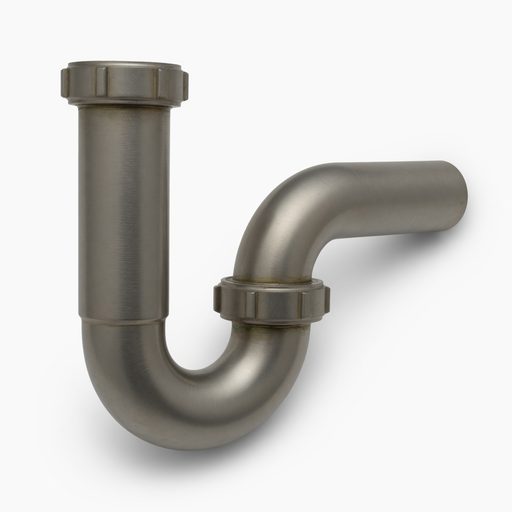
Bathroom drains — the sink, shower, tub, and floor drain if present — all have P-traps that hold water to seal out sewer gas. The sewer gas mixture contains hydrogen sulfide (rotten eggs), methane, ammonia, and various organic compounds produced by waste decomposition. This mixture smells very similar to decomposing animal flesh, which is why people often describe sewer gas infiltration as smelling like a 'dead animal.' Bathroom sink traps rarely dry out (they're used daily), but shower traps in bathrooms used as guest facilities, basement bathrooms, or secondary bathrooms can go weeks without use and lose their water seal. A bathroom smelling like dead animal with no drain used recently is almost certainly a dried P-trap.
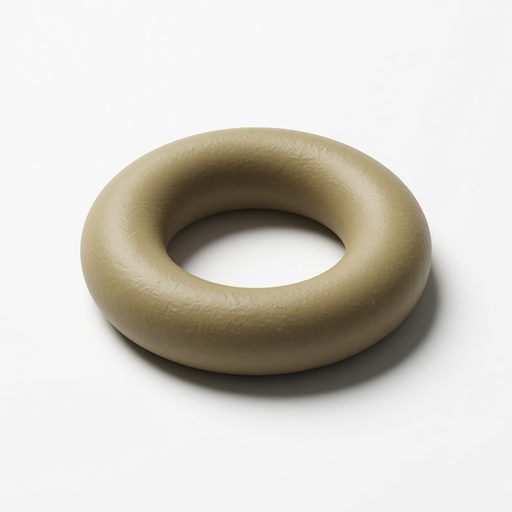
The wax ring is the only seal between the toilet outlet and the bathroom floor flange — it blocks sewer gas from escaping around the toilet base. When this ring deteriorates, shrinks, or is broken by a toilet that rocks (from loose bolts), sewer gas continuously seeps around the base of the toilet into the bathroom. The smell from a failed wax ring is exactly what many people describe as a dead animal or rotting smell — it's dense, organic, and pervasive in the bathroom. A toilet that rocks even slightly when sat on, combined with a persistent foul smell, is a strong indicator of a failing wax ring.
Bathroom walls run plumbing pipes — and plumbing chases (the spaces around pipes) are common rodent travel routes. Rodents follow pipes for both travel and warmth. They can die inside these wall cavities — from poison bait deployed elsewhere in the house, from getting stuck, or naturally. A dead mouse or rat decomposing in a bathroom wall produces a sweet, rotting, putrid smell that enters through electrical outlets, switch plates, gaps around pipes, or through the ventilation fan. The smell follows the classic decomposition timeline: appearing suddenly, peaking over 5-10 days, then gradually fading.
Bathroom drain biofilm — the combination of hair, soap scum, skin cells, and the bacteria that colonize them — produces a range of unpleasant odors. In particularly well-established biofilm, the anaerobic bacteria at the deep layers produce sulfurous and putrid compounds including hydrogen sulfide, dimethyl sulfide, and putrescine. The smell of heavily buildup bathroom drains can resemble decomposition enough to trigger the 'dead animal' description, especially in enclosed bathroom spaces with poor ventilation.
Bathroom vent fans serve two purposes: they exhaust moist air (preventing mold) and they exhaust odors. A vent fan that's blocked, broken, or has a damaged backdraft damper that doesn't close properly can fail to exhaust bathroom odors effectively, or worse, can draw in air from the attic, crawlspace, or adjacent spaces where dead animals or mold may be present. If a dead animal odor enters specifically when the vent fan is running, the fan is drawing the smell in from another space rather than exhausting it out.
How to Fix It
Run Water in All Drains and Check Toilet
FreeThe first response — addresses the two most common causes.
- 1Run water in the shower, tub, and sink for 30-60 seconds each to refill all P-traps.
- 2Add a tablespoon of oil to the shower and tub drain to slow P-trap evaporation.
- 3Check the toilet: sit on it and rock slightly side to side. If it moves, the wax ring may be failing. Check for discoloration or moisture around the base.
- 4Wait 1-2 hours and reassess the smell. If improved, a dried P-trap was the cause.
- 5If the toilet rocks: tighten the floor bolts (remove the plastic cap covers at the base, tighten with a wrench). If the toilet still rocks after tightening, the wax ring likely needs replacement.
Replace the Toilet Wax Ring
$5-20 DIY / $100-200 plumberRequired if the toilet rocks or the smell returns near the toilet base.
- 1Turn off the water supply to the toilet (the valve behind or beside the toilet).
- 2Flush the toilet and bail out remaining water from the tank and bowl.
- 3Disconnect the water supply line.
- 4Remove the floor bolt caps and nuts. The toilet can now be lifted straight up and set aside (it's heavy — 60-100 lbs).
- 5Scrape the old wax ring from both the flange and the bottom of the toilet using a putty knife.
- 6Place the new wax ring on the floor flange (some prefer placing it on the toilet outlet) and lower the toilet carefully, aligning the holes with the floor bolts.
- 7Press down firmly and evenly to seat the wax. Replace and tighten the nuts. Reconnect water. Test for leaks.
- 8If the floor flange is cracked, broken, or recessed below floor level, the repair is more complex — call a plumber.
Locate and Remove Dead Animal or Clean Drain Biofilm
$0-300After P-trap and wax ring are ruled out.
- 1For biofilm: remove the drain stopper, use a drain hair removal tool ($3-5) to clear hair and debris from the drain body. Follow with boiling water, then baking soda and vinegar. Repeat if needed.
- 2For dead animal: locate the strongest smell point on the walls using the outlet/switch-plate method. Remove the outlet cover, smell inside the cavity. The smell should be noticeably different strengths at different points. Open a small drywall access at the strongest point, remove the carcass, seal the entry point.
- 3For vent fan issues: open the fan cover and inspect the fan and damper. Clean accumulated dust and debris from the fan blades. Test that the backdraft damper opens when the fan runs and closes when off. Replace if stuck open or missing.
When to Call a Professional
The smell is accompanied by signs of an active rodent infestation — droppings, gnawing, sounds — call pest control before addressing the smell.
The toilet wax ring is failing and there's visible water damage at the base — this may indicate subfloor damage that needs assessment before just replacing the ring.
The smell is combined with a gurgling toilet or slow drains — main sewer line issue. Call a plumber.
How to Prevent It
Run water in guest bathrooms monthly — the simplest prevention for the most common cause.
Keep toilet floor bolts tight — check annually. Loose bolts allow the toilet to rock, which wears out the wax ring prematurely.
Clean bathroom drains monthly — a drain hair catcher plus monthly baking soda/vinegar treatment prevents biofilm buildup.
Seal rodent entry points — inspect your foundation, utility penetrations, and crawlspace annually.
Why Sewer Gas Smells Like a Dead Animal
Many people are surprised to learn that sewer gas can smell remarkably similar to a decomposing body — but the chemistry explains it. Decomposition of organic matter produces a specific set of compounds: hydrogen sulfide (rotten eggs), methane (odorless), dimethyl disulfide (rotting cabbage, sulfurous), putrescine (rotting flesh), cadaverine (rotting flesh), skatole (feces), and indole (feces). The characteristic 'dead animal' smell is primarily putrescine and cadaverine — diamine compounds produced by bacterial putrefaction.
Sewer gas contains hydrogen sulfide and methane primarily, but also smaller amounts of organic compounds including ammonia and putrescine derivatives from the decomposing organic matter in the sewer system. When sewer gas enters a confined space like a bathroom, the mix of sulfurous and organic compounds can convincingly resemble the smell of decomposition to most people.
This is actually useful knowledge: if the smell in your bathroom disappears when you run water in the drains (refilling P-traps), the source was sewer gas rather than an actual carcass. If the smell persists regardless of water in the drains and peaks then fades over 1-3 weeks, it's more likely an actual dead animal.
Frequently Asked Questions
The key tests: run water in all drains and wait 1-2 hours. If the smell improves significantly, it's sewer gas from a dried P-trap. If it doesn't change, it may be a dead animal, failed wax ring, or deeper sewer issue. Additionally, sewer gas smell is more consistent and year-round; dead animal smell appears suddenly and peaks over 5-10 days then fades. Sewer gas has a rotten-egg quality; dead animal has a sweet-putrid quality.
Morning is peak sewer gas time for bathrooms — overnight, no one uses the drains, P-traps that are only marginally sealed can dry slightly, and without anyone flushing or running water to maintain trap seals, gas seeps in. First morning use of the bathroom restores the traps and the smell clears. The fix: add oil to drains that don't see heavy use, ensure the toilet wax ring is intact, and check for venting issues if refilling traps doesn't help.
Nighttime is when activity stops and gas can seep past marginal seals that hold during active use. Additionally, warmer daytime temperatures mean you smell less acutely in summer heat — the same gas concentration is more noticeable in cooler evening and nighttime conditions. Check for partially dried P-traps and ensure the toilet seal is intact.
Yes — a failing wax ring allows sewer gas (which contains organic decomposition compounds) to continuously enter the bathroom. This is one of the most commonly missed causes because the toilet looks perfectly normal while the seal underneath is compromised. Check for toilet movement (rocking) and water/staining at the toilet base. Wax ring replacement is a $5-20 DIY fix.