Does this match what you’re noticing?
“Cat urine smell concentrated in a basement, crawl space, under sinks, or in areas with known or suspected water damage”
Common Causes (Ranked by Likelihood)
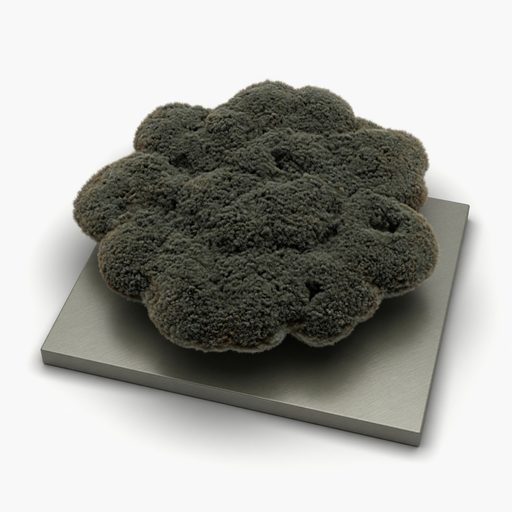
Some molds — particularly Aspergillus and certain Cladosporium species — produce volatile organic compounds (VOCs) including compounds that smell strikingly similar to cat urine or ammonia. This happens most often in crawl spaces, basements, attics, inside walls with water damage, and around HVAC systems. The smell is often described as a sharp, urine-like ammonia odor.
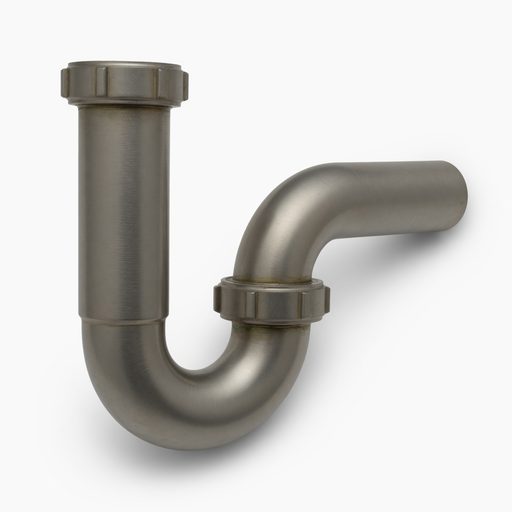
Sewer gas contains ammonia, hydrogen sulfide, and other compounds that can smell like cat urine at low concentrations. P-traps (the curved pipe under sinks and in floor drains) hold water that blocks sewer gas from entering. In infrequently-used bathrooms, guest bathrooms, or floor drains, the water evaporates, allowing sewer gas to flow freely into the house. The smell can be intermittent — stronger when drains are used nearby.
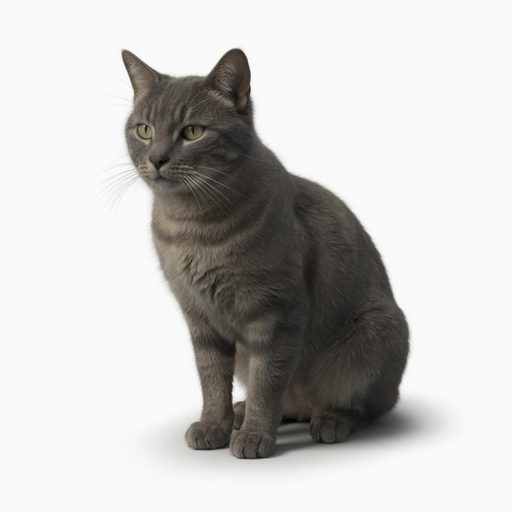
Intact male cats spray a pheromone-laden urine with an intensely concentrated, musty-ammonia smell to mark territory. If a stray or neighborhood cat is regularly spraying your foundation walls, front door, window sills, or exterior AC unit, the smell can permeate indoors — especially on warm days when windows are open, through mail slots, or via the AC pulling in outdoor air.
Mouse and rat urine has a strong ammonia smell that many people describe as cat-urine-like — particularly if there is an active or past infestation. A large infestation or long-past infestation in walls, insulation, or crawl spaces can saturate materials with urine that continues to smell for years. Mouse urine is particularly pungent relative to body size.
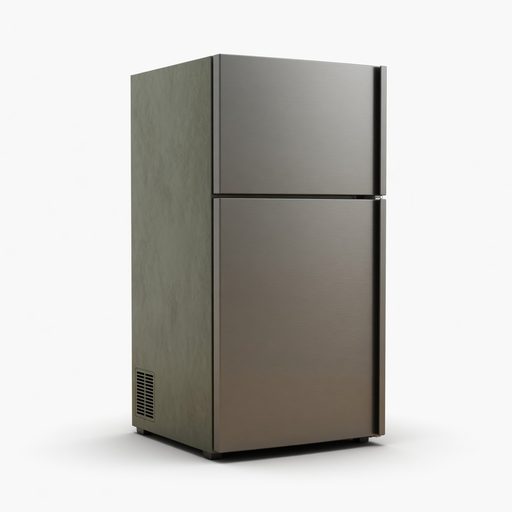
Freon and other refrigerant gases have a faint, sweet-to-chemical smell that some people interpret as cat urine or ammonia, especially at low concentrations. A refrigerant leak from an air conditioner, heat pump, or even a household refrigerator can introduce this smell indoors. Older refrigerants (R-22/Freon) smell more ammonia-like.
How to Fix It
Systematic Smell Diagnosis
$0–40 for a blacklightIdentifying the source is essential before any fix can work.
- 1In darkness, use a 365nm UV blacklight to scan floors, walls, and baseboards — cat urine and mouse urine both fluoresce. This quickly distinguishes animal urine from mold or sewer gas.
- 2If nothing fluoresces inside, check each drain one by one: pour water down each drain and see if the smell changes.
- 3Smell the air at ground level near the exterior foundation — if the smell is stronger outside, a stray cat is the likely source.
- 4Check whether the smell correlates with HVAC operation — if it only appears when the AC or heat runs, a refrigerant or mold-in-ducts issue is likely.
- 5Look for water damage — stains on ceilings, walls, or under sinks indicate mold-favorable conditions.
Flush All Rarely-Used Drains and Treat Dry P-Traps
$5 in mineral oilThis fixes sewer gas entry within minutes if that's the cause.
- 1Go through every drain in the house: every sink, toilet, shower, tub, and floor drain.
- 2Run water for 30 seconds in each one to refill P-traps.
- 3For floor drains: pour 2 tablespoons of vegetable oil or mineral oil into the drain after running water. The oil layer floats on the water and prevents evaporation for weeks.
- 4Re-evaluate the smell 24 hours later. If significantly improved, dry P-traps were the cause.
- 5If the smell returns in the same area, there may be a crack in the drain or a missing P-trap — call a plumber.
When to Call a Professional
Cat urine smell + visible mold + respiratory symptoms (coughing, sneezing, irritated eyes) — get a mold assessment. Some mold species are significant health hazards.
Strong ammonia smell that appears suddenly and is very intense — could be an ammonia-based refrigerant leak from an industrial or commercial refrigerator. Get out and call an HVAC professional.
Cat urine smell + evidence of mice (droppings, gnaw marks) + you're pregnant — mouse droppings can carry hantavirus. Use extra precautions (gloves, N95 mask) when cleaning and see a doctor if concerned.
Sewer smell that worsens after heavy rain — indicates groundwater infiltrating the sewer system and backing up into your drains. Call a plumber for a camera inspection.
How to Prevent It
Run water down all drains (especially floor drains) monthly to keep P-traps full.
Pour mineral oil into infrequently-used floor drains to prevent evaporation.
Keep humidity below 50% with a dehumidifier to prevent mold growth.
Seal exterior foundation cracks and gaps to deter both stray cats and rodents.
Schedule annual HVAC maintenance to catch refrigerant leaks early.
Frequently Asked Questions
Several mold species produce ammonia-like VOCs that can resemble cat urine, including certain strains of Aspergillus, Cladosporium, and some black mold species. The specific VOCs involved include pyridine and various amines. The smell doesn't definitively identify the mold species — professional testing is needed if you suspect mold.
Yes — boxwood shrubs (Buxus species) produce buxine and other alkaloids that many people find strongly reminiscent of cat urine. If you have boxwoods planted near windows, doors, or your AC intake, this can be the source of cat-urine smell indoors, especially after rain or in warm weather.
Yes — intact male cat spray is extremely potent (far more concentrated than regular cat urine) and can penetrate through wood, insulation, and drywall. If a cat has sprayed against the exterior of your house repeatedly, the smell can be detectable indoors even with windows closed.
Use a 365nm UV blacklight (not a regular purple LED — the wavelength matters). Turn all lights off and wait for your eyes to adjust to darkness. Shine the light slowly across floors, baseboards, walls, and furniture. Cat urine and mouse urine fluoresce as pale yellow-green. Dried urine may appear as a dull stain rather than bright fluorescence. Normal cleaning residues can also glow, so confirm with your nose.