Most Likely Causes (Ranked)

Fenugreek seeds contain sotolon (4,5-dimethyl-3-hydroxy-2(5H)-furanone), a compound so potent it's detectable at parts per trillion. When you consume fenugreek — as a supplement (popular for breastfeeding, testosterone, and blood sugar), in curry, or in herbal teas — sotolon is excreted in sweat, urine, and even earwax within hours.
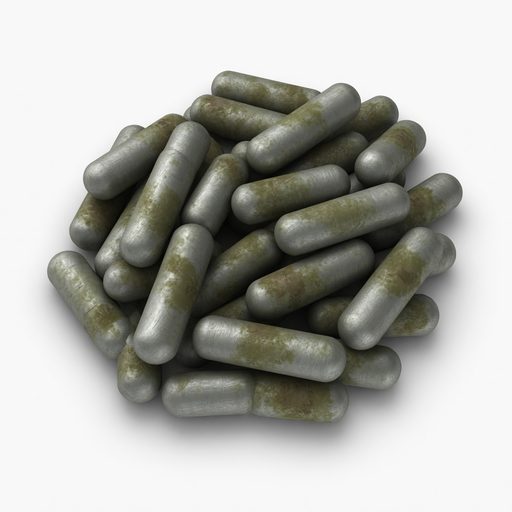
Branched-chain amino acids (leucine, isoleucine, valine) — found concentrated in whey protein, BCAAs supplements, and high-protein diets — can produce a maple syrup-like odor when metabolized in high quantities. The same amino acids involved in maple syrup urine disease, just in non-pathological amounts.

When the body burns fat for fuel instead of glucose (in uncontrolled diabetes), it produces ketones that can give sweat and breath a sweet, fruity, or syrupy smell. DKA is a medical emergency if accompanied by other symptoms.
A rare genetic disorder (1 in 185,000 births) where the body can't break down branched-chain amino acids. The buildup produces a distinctive maple syrup odor in sweat, urine, and earwax. Usually diagnosed at birth via newborn screening, but milder forms can present later.
Hormonal shifts during pregnancy, menopause, or thyroid changes can alter sweat composition, sometimes producing sweeter odors. Some women report a maple-like smell during pregnancy, potentially related to metabolic changes.
How to Fix It
Identify Supplement/Dietary Source
$0Check what you're consuming first.
- 1Review all supplements — fenugreek is in many testosterone boosters, breastfeeding supplements, and blood sugar products. Check ingredient labels.
- 2Check protein intake — high BCAA consumption from whey protein, BCAA supplements, or very high-protein diets is a common cause.
- 3If you find fenugreek: stop for 3-5 days and the smell should resolve completely.
- 4If high protein: reduce to normal levels (0.8-1g per pound of body weight) and observe.
Rule Out Diabetes
$0-100If no dietary explanation exists.
- 1Check for other DKA symptoms: excessive thirst, frequent urination, nausea, fruity breath, confusion.
- 2An at-home blood glucose test ($15-30 for a meter) can screen quickly.
- 3If glucose is high (above 200 mg/dL) or symptoms are present, seek medical attention immediately.
- 4DKA is a medical emergency — don't delay if symptoms are present.
See a Doctor for Testing
$100-300If the smell persists without explanation.
- 1A metabolic panel can check amino acid levels in blood and urine.
- 2Urine organic acid test specifically screens for MSUD and related disorders.
- 3Thyroid function tests if hormonal changes are suspected.
- 4Most adults with unexplained maple syrup sweat have a dietary cause they haven't identified — MSUD in adults is extremely rare.
When to Call a Professional
Sweet-smelling sweat + confusion, nausea, rapid breathing — possible DKA (diabetic ketoacidosis). Seek emergency care.
Sweet-smelling sweat in an infant — get MSUD screening immediately. This is time-critical in newborns.
Sweet smell + extreme fatigue + weight loss — warrants medical evaluation for metabolic disorders.
Any sudden, persistent body odor change without dietary explanation deserves a doctor visit.
How to Prevent It
Check supplement ingredients for fenugreek — it's in more products than you'd expect.
Moderate BCAA and whey protein intake — excess doesn't build more muscle and can cause odor.
Stay hydrated — dilutes the concentration of odorant compounds in sweat.
Monitor blood sugar if you have diabetes risk factors — sweet-smelling sweat can be an early warning sign.
The Science Behind Maple Syrup Body Odor
The key molecule is sotolon (4,5-dimethyl-3-hydroxy-2(5H)-furanone), which has one of the lowest odor thresholds of any compound — detectable at 0.02 parts per billion. For comparison, you'd need about 1,000 times more hydrogen sulfide (rotten egg smell) to be detectable. This extreme potency is why even small amounts of fenugreek can make your entire body smell like maple syrup.
In MSUD, the sweet smell comes from a different pathway: the buildup of branched-chain alpha-keto acids (BCKAs), particularly alpha-ketoisocaproic acid from leucine metabolism. These compounds and their derivatives produce the characteristic sweet odor. Interestingly, sotolon has also been identified in the urine of MSUD patients, suggesting the metabolic pathway produces the same molecule through a different mechanism.
Frequently Asked Questions
Usually not — the most common causes (fenugreek, protein intake) are harmless. But it CAN indicate DKA (serious) or MSUD (serious but rare). If you can't identify a dietary cause, get checked.
The smell appears within 12-24 hours of ingestion and typically resolves 2-5 days after stopping. The more you've been taking and the longer you've been on it, the longer it takes to clear.
Yes — BCAAs (leucine, isoleucine, valine) are metabolized into compounds that can smell sweet or maple-like. This is more common with very high protein intake (2g+ per pound of body weight) or concentrated BCAA supplements.
Yes — get MSUD newborn screening immediately. Most states screen at birth, but mild forms can be missed. A sweet smell in an infant's sweat, urine, or earwax warrants urgent testing.
Possibly — DKA produces a sweet/fruity smell in sweat and breath. But DKA usually comes with severe symptoms (nausea, vomiting, confusion, rapid breathing). Maple syrup sweat alone without other symptoms is more likely dietary.