Most Likely Causes (Ranked)
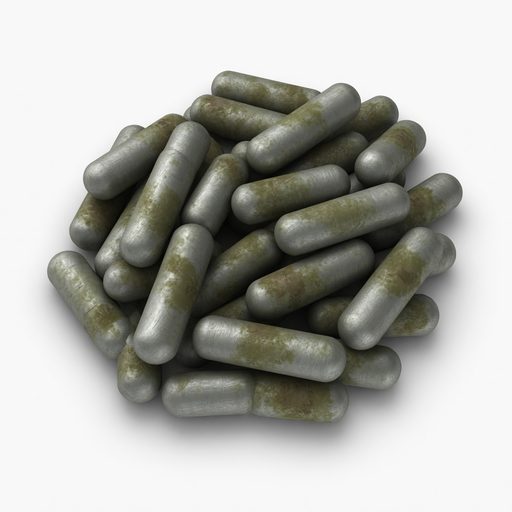
Over 200 medications can change body odor as a side effect. Common culprits include antidepressants (SSRIs increase sweating), blood pressure medications, antibiotics, and supplements like fish oil, garlic extract, or high-dose B vitamins.

Puberty, perimenopause, menopause, pregnancy, thyroid changes, and starting/stopping birth control all alter sweat gland activity and sweat composition, changing body odor.
A significant dietary shift — going keto, increasing garlic/onion intake, more red meat, starting supplements, or increased alcohol — changes the volatile compounds in your sweat within days.

Chronic stress increases cortisol and activates apocrine glands, producing thicker, more protein-rich sweat that bacteria metabolize into more potent odor compounds. The stress itself changes your smell.
Diabetes (sweet/fruity smell from ketoacidosis), kidney disease (ammonia), liver disease (musty), trimethylaminuria (fishy), and infections can all cause new or changed body odor.
How to Fix It
Review Recent Changes
$0Identify the trigger.
- 1List any new medications, supplements, or dietary changes from the past 1-3 months.
- 2If you identify a likely medication trigger, discuss alternatives with your doctor.
- 3If dietary, try eliminating suspect foods for 2 weeks and observe if the smell changes.
Address Stress
$0-100If stress is the trigger.
- 1Exercise regularly — it helps regulate cortisol and improves stress sweat composition.
- 2Consider therapy or stress management techniques.
- 3Use clinical-strength antiperspirant and antibacterial wash during high-stress periods.
See a Doctor
$100-300If no lifestyle trigger is identified.
- 1Request metabolic panel (blood sugar, kidney function, liver function).
- 2Urine test for trimethylaminuria if the smell is fishy.
- 3Thyroid function test if the change coincides with fatigue, weight changes, or temperature sensitivity.
- 4Most sudden BO changes have a benign cause, but ruling out medical issues provides peace of mind.
When to Call a Professional
Sweet or fruity body odor — check blood sugar. Could indicate diabetic ketoacidosis (medical emergency if accompanied by nausea, confusion).
Ammonia-like body odor that persists — kidney function testing recommended
Fishy body odor unrelated to diet — get tested for trimethylaminuria
Sudden strong body odor with fever, night sweats, or weight loss — see a doctor for evaluation
How to Prevent It
Track any new medications' side effects and discuss alternatives if BO changes.
Introduce dietary changes gradually to identify which foods affect your smell.
Manage stress proactively — chronic stress alters sweat composition long-term.
Get annual bloodwork — early detection of metabolic changes prevents surprise BO shifts.
Why Body Odor Changes
Your body odor is determined by the interaction between your sweat composition (which varies with diet, hormones, medications, and health) and your skin microbiome (which varies with hygiene, environment, and immune function). When either variable changes, your smell changes.
Hormonal shifts are particularly impactful because they directly alter apocrine gland activity. During puberty, apocrine glands activate for the first time. During menopause, fluctuating estrogen and progesterone change sweat composition. These hormonal changes also shift the skin microbiome by changing the nutrients available to skin bacteria, further altering the odor profile.
Frequently Asked Questions
Usually not — medications and diet are the most common causes. But it's worth investigating, especially if the new smell is unusual (sweet, fishy, ammonia-like) or accompanied by other symptoms.
Yes — hormonal fluctuations during perimenopause and menopause commonly change sweat volume and composition, leading to different or stronger body odor. This is normal.
Yes — antibiotics alter your gut and skin microbiome, which can change body odor. This usually resolves within 1-2 weeks of completing the course.
Partners are often the first to notice subtle changes. It's worth investigating the cause, but most explanations are benign (medication, diet, hormones, stress).
Not directly, but post-COVID parosmia can make your OWN body odor smell different to you. If others don't notice a change but you do, parosmia is more likely than an actual odor change.