
Most Likely Causes (Ranked)
The mattress is the most overlooked source of bedroom sweat smell because people rarely think to clean it. Over 200ml of sweat per night, multiplied by 365 nights, means the average mattress absorbs 70+ liters of moisture per year — along with skin cells, body oils, dust mites, and bacteria. Bacteria metabolize this organic material and produce short-chain fatty acids and other volatile compounds that smell like body odor even when no one is in the bed. Foam mattresses are particularly prone to this because their porous structure absorbs and retains moisture effectively. Memory foam and innerspring mattresses both suffer from this problem; latex mattresses are somewhat more resistant due to their antimicrobial properties.
Sheets and pillowcases absorb sweat, oils, and dead skin cells every night and should be washed weekly. Many people go 2-4 weeks between washes, which allows bacteria to colonize the fabric and produce odor compounds. Duvet and comforter interiors — particularly down or down-alternative fill — absorb moisture that migrates through the cover and can develop musty or body odor smell if not regularly laundered. Feather-filled pillows are particularly prone to absorbing sweat and developing a musty, barnyard smell. Synthetic fill pillows hold odors somewhat less, but still need regular washing.
Pillows absorb significant quantities of sweat, saliva, and facial oils nightly. Most people replace their pillowcases weekly but rarely wash the pillow itself. Foam pillows and down/feather pillows are particularly susceptible because their dense materials hold moisture and create anaerobic pockets where odor-producing bacteria thrive. A pillow that's 2+ years old and never been washed likely smells strongly of sweat and oils, even if the fresh pillowcase on top masks it initially. The smell becomes apparent when you move the pillow or when the air around the bed is still.
Worn clothes left in hampers, on chairs, on the floor, or behind doors are a persistent and potent source of sweat smell. Unlike clean laundry, worn clothing still contains the sweat, skin bacteria, and skin cells from wearing — bacteria continue metabolizing these even after the clothing is removed from the body. In a warm bedroom with limited ventilation, a pile of worn clothes can scent the entire room within hours. This is the easiest problem to solve and often the first thing to address.
Gym bags, yoga mats, sports equipment, and athletic shoes concentrate high levels of sweat and the bacteria associated with it. Many people keep these in the bedroom, where they continuously off-gas odor compounds. Athletic shoes are particularly potent — the moist, warm, dark interior of a worn shoe is an ideal bacterial incubator. A single pair of worn athletic shoes in a bedroom can be a significant and easily overlooked odor source.
Bedrooms are often poorly ventilated — doors closed at night, windows sealed for noise or temperature control, and HVAC systems that don't circulate bedroom air effectively. Sweat vapor from sleeping — 200ml+ per night — has nowhere to go in a sealed room. This moisture settles into mattresses, bedding, and walls. Humidity above 60% also accelerates bacterial growth in all these surfaces. A bedroom that's never aired out accumulates odor compounds progressively over weeks and months.
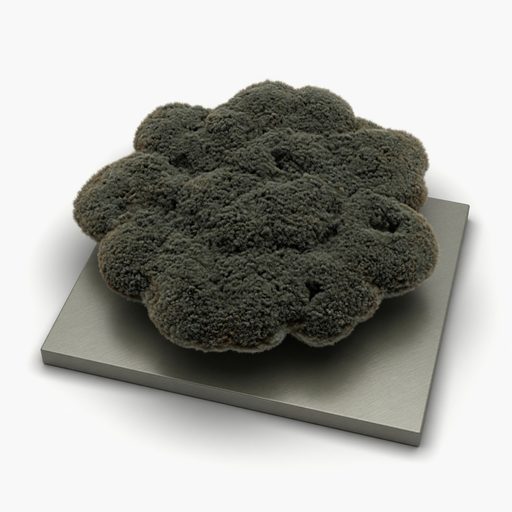
Bedroom carpets and rugs absorb sweat from bare feet, skin cells shed while walking around, and moisture from the surrounding air. In rooms where people sleep without pajamas or with minimal coverings, skin cells and sweat fall directly onto the carpet. A carpet that's been in a bedroom for years and never deep-cleaned will have a detectable odor that contributes to the overall room smell — often a musty, slightly body-odor character distinct from the sharp sweat of fresh perspiration.
How to Fix It
Deep Clean the Mattress
$5-20 in supplies / $50-150 professionalThe mattress fix has the most dramatic impact. Do this first.
- 1Strip all bedding and vacuum the entire mattress surface using the upholstery attachment — top, sides, and seams. This removes surface debris and skin cells.
- 2Mix: 1 cup baking soda + 10 drops lavender or tea tree essential oil. Sift this mixture over the entire mattress surface and let it sit for 1-4 hours (longer is better). Baking soda is alkaline and neutralizes the acidic sweat compounds causing the smell.
- 3Vacuum off the baking soda thoroughly.
- 4For deeper treatment: spray a diluted solution of hydrogen peroxide (3%) and a few drops of dish soap onto stained or smelly areas. Let it sit for 10 minutes then blot dry — don't soak the mattress.
- 5Allow the mattress to air out completely — ideally with windows open and a fan — before putting bedding back on. This takes 2-4 hours minimum.
- 6Going forward: install a waterproof mattress protector immediately. Wash it monthly. This single step prevents years of sweat absorption.
Wash Bedding and Pillows Properly
$0-15 in laundry suppliesProper washing technique matters for eliminating body odor from bedding.
- 1Wash sheets and pillowcases weekly in hot water (130°F/54°C) if the fabric allows — heat kills bacteria more effectively than cold.
- 2Add 1/2 cup of white vinegar to the wash along with your regular detergent. Vinegar breaks down sweat compounds that detergent alone misses. Don't worry about vinegar smell — it rinses out completely.
- 3Wash pillows every 3 months. Check the care label — most synthetic and down pillows can be machine washed. Wash two pillows at once to balance the washer.
- 4For pillows: run an extra rinse cycle to ensure all soap is removed, then dry thoroughly on medium heat with dryer balls. Feathers especially must be completely dry to avoid mildew.
- 5Wash duvets and comforters every 3-6 months. Most can go in a household washer (front-loader is better for thick items); if not, laundromat commercial washers handle them easily.
Ventilate the Room Daily
FreeDaily airing prevents sweat vapor from accumulating in surfaces.
- 1Open bedroom windows for at least 30 minutes every morning after waking. Even 15 minutes with a cross-breeze (open two windows on opposite sides) dramatically reduces moisture and odor.
- 2Don't make the bed immediately — pull back the covers and let the mattress air for at least 20-30 minutes before making the bed. This allows overnight moisture to evaporate rather than being sealed in.
- 3Run a fan to increase airflow if windows can't be opened for noise or temperature reasons.
- 4Consider a small dehumidifier if the bedroom is consistently above 55-60% humidity — dehumidifiers dramatically reduce bacterial and mold growth in all surfaces.
- 5Keep the bedroom door open during the day when possible to promote air circulation.
Remove and Address Dirty Laundry
Free-$30 for a lidded hamperThe quickest win: remove all worn clothes from the bedroom immediately.
- 1Remove all worn clothing from the bedroom now — chairs, floor, behind doors, open hampers.
- 2Wash anything worn more than once since last washing, or that you can smell.
- 3Use a lidded laundry hamper rather than open one — it contains odors significantly. Hampers with ventilation slots work well.
- 4Move the hamper out of the bedroom to the laundry room if possible — there's no reason it needs to be in the sleeping space.
- 5Store gym bags and athletic shoes outside the bedroom — in a mudroom, garage, or at minimum a hallway closet.
Deodorize Carpet and Rugs
$5-15Freshen the floor if the smell persists after addressing mattress and bedding.
- 1Vacuum thoroughly to remove surface debris.
- 2Apply baking soda liberally to the carpet, work it in lightly with a brush, let it sit for 30-60 minutes, then vacuum thoroughly.
- 3For persistent odors: use an enzyme-based carpet cleaner (available at pet stores — designed to eliminate organic odors) according to package directions.
- 4For deep cleaning: rent a carpet steam cleaner ($30-50 for a day) or hire a professional carpet cleaner ($100-200 for a bedroom). The heat and extraction remove embedded odor compounds.
- 5Rugs that can be washed: take them outside, scrub with a diluted dish soap solution, rinse with a hose, and allow to dry completely in the sun before returning.
When to Call a Professional
The smell has a musty or mildew quality in addition to sweat — this suggests mold growth in the mattress or walls, which needs more aggressive treatment or replacement.
You notice the smell is strongest on the walls or ceiling — condensation-driven mold on bedroom surfaces requires addressing the humidity source, not just surface cleaning.
A household member has breathing issues that seem worse in the bedroom — heavily contaminated bedding and mattresses can harbor allergens (dust mites, mold spores) that trigger respiratory symptoms.
How to Prevent It
Use a waterproof mattress protector — this single item, washed monthly, prevents essentially all sweat absorption into the mattress. It's the most important preventive measure you can take.
Wash sheets weekly — this is the single most impactful regular hygiene habit for preventing bedroom odor.
Air the bed every morning — pull back the covers for 20-30 minutes before making the bed. This allows overnight moisture to evaporate from the mattress and bedding.
Shower before bed — reduces the amount of sweat, bacteria, and skin oils transferred to bedding each night. This has a measurable impact on how long bedding stays fresh.
Keep gym equipment and worn clothing out of the bedroom — establish a household rule that these items go directly to laundry or storage outside the sleeping space.
How to Tell Which Source Is Causing the Smell
A systematic approach will identify the source in 10 minutes. First, remove all bedding and take it out of the room. Then smell the bare mattress by pressing your face close to it. If the smell is strong in the mattress, that's your primary source. If not, return the bedding and smell each piece separately: pillowcase, pillow, sheet, duvet cover, and duvet.
Next, remove all worn clothes and gym equipment from the room. If the smell improves significantly within 30 minutes, dirty laundry was the culprit. Finally, if all of the above have been cleaned or removed and the smell persists, check the carpet and walls for musty or mildew odors that go beyond typical sweat.
Most bedroom sweat smells involve multiple overlapping sources — mattress, old pillows, and infrequent bedding washing together. Addressing all three at once is more effective than fixing them one at a time.
How Often Should You Replace Mattresses and Pillows?
Mattress lifespan: 7-10 years for a quality innerspring or foam mattress with proper care (including a mattress protector). Signs it's time to replace: visible sagging or body impressions deeper than 1 inch, persistent smell despite deep cleaning, or significant increase in allergies or back pain.
Pillow lifespan: 1-2 years for most pillows, including down and synthetic. Memory foam pillows last slightly longer (2-3 years). The 'fold test' for synthetic and down pillows: fold in half and press — if it doesn't spring back fully, it's past its useful life and likely harboring significant bacteria.
The cost of replacement is often justified by sleep quality alone, apart from the odor consideration. A consistently smelly mattress or pillow that can't be refreshed is making your sleep environment worse in ways that affect sleep quality.
Frequently Asked Questions
If the smell persists after washing bedding and cleaning the mattress, check these often-missed sources: the mattress is too far gone and needs replacement (after years without a protector, baking soda won't fully reverse deep bacterial colonization), the pillows themselves haven't been washed (not just the pillowcases), the carpet needs deep cleaning, or there's a gym bag or worn shoes somewhere in the room. Also check whether the smell is actually coming from inside the walls — condensation-driven mold can produce a sweaty-musty smell that has nothing to do with bedding.
Yes, with caveats. Baking soda is genuinely effective at neutralizing the acidic volatile organic compounds that cause sweat smell — it's not just a home remedy myth. However, it works on surface odors and fresh contamination better than deep-seated odors from years of accumulation. For a mattress that's been absorbing sweat without a protector for 5+ years, baking soda will improve the smell noticeably but may not eliminate it completely. In those cases, an enzyme-based fabric cleaner (diluted appropriately) followed by baking soda works better.
A mild sweat smell doesn't pose a direct health risk. However, the conditions that create it — heavy bacterial and dust mite colonization of bedding and mattresses — do affect health indirectly. Dust mite allergens are a significant trigger for asthma and allergic rhinitis; their populations thrive in the warm, humid, skin-cell-rich environment of an unkept mattress. People who wake with stuffy noses, itchy eyes, or night-time coughing in their bedroom may be reacting to these allergens rather than the smell itself.
Memory foam requires a gentler approach than innerspring because it can't be soaked. Vacuum the surface, apply baking soda and let it sit for at least 4-8 hours (overnight if possible), then vacuum thoroughly. For specific stained areas, spray lightly with diluted hydrogen peroxide (3%) — don't saturate — and blot dry. Finish by airing with a fan for several hours. Do not steam clean a memory foam mattress — the heat and moisture damage the foam structure. For persistent deep odors, a professional dry enzyme treatment from an upholstery cleaner is the best option.